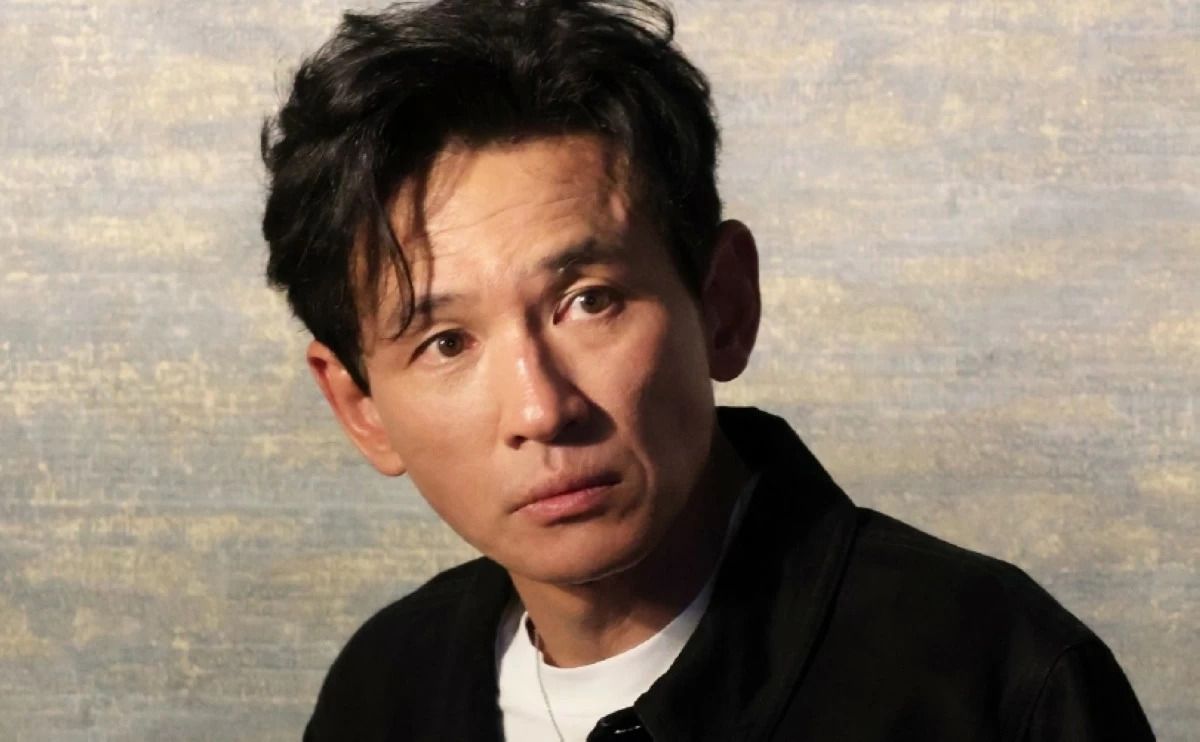
South Korean actor Hwang Jung-min's agency has firmly denied allegations of an extramarital affair, characterising the woman who levelled the accusations as a criminal suspect in an ongoing stalking investigation. The management company released a statement on July 29 announcing its intention to pursue additional legal remedies against the accuser, escalating a dispute that has drawn public attention in an era when celebrities' personal lives face intense scrutiny across social media platforms throughout East Asia.
The woman at the centre of the controversy had previously uploaded materials to social media platforms that she presented as evidence of a romantic relationship with the 55-year-old actor. These postings included what she claimed were personal text exchanges, photographic evidence, and an audio recording of Hwang himself. The timing and nature of these revelations underscore how digital platforms have fundamentally altered the landscape of celebrity disputes, allowing unverified claims to reach millions of people instantaneously, regardless of their factual basis.
According to the agency's official response, the materials in question originated from "a stalking suspect who has continuously harassed" the actor, a characterisation that shifts the narrative entirely from allegations of infidelity to questions of criminal conduct. The agency disclosed that Hwang filed a formal criminal complaint against the woman in 2025, initiating a legal process that has already produced significant consequences for the accuser. This legal intervention reflects a broader trend among South Korean entertainment figures of taking aggressive stances against those who make public allegations, particularly through social media channels.
The judicial system has validated the agency's characterisation through tangible legal measures. A court has issued three separate restraining orders against the woman and imposed a fine of three million won, equivalent to approximately RM8,525, via a summary order procedure. These steps suggest that judicial authorities have determined sufficient grounds exist to restrict the woman's behaviour and impose financial penalties. However, the woman has contested this fine and requested a full formal trial, indicating her intention to contest the allegations against her and potentially continue pursuing her claims against Hwang through the legal system.
Beyond the criminal restraining order proceedings, the dispute has expanded into civil litigation. According to local South Korean media reports, the woman has initiated a civil lawsuit seeking damages from Hwang, effectively doubling down on her challenge to the actor's account of events. This bifurcated legal approach—combining criminal allegations against her with her own damages claim—creates a complex and potentially protracted legal situation that will likely consume significant resources and attention from both parties involved.
The agency's statement characterised the social media posts as "maliciously edited," suggesting deliberate distortion of materials rather than outright fabrication. Notably, the company stopped short of categorically denying the authenticity of the audio recording itself, a careful rhetorical choice that acknowledges some materials may be genuine while disputing their interpretation or context. This measured response reflects sophisticated public relations management, avoiding categorical denials that might later prove indefensible if litigation reveals certain elements of the evidence as authentic.
Hwang's personal circumstances provide additional context for understanding the seriousness of the allegations. He has been married since 2004 to Kim Mi-hye, a prominent South Korean musical and theatre producer who heads SEM Company, the very management agency defending him publicly. This corporate and personal intersection means that defending against infidelity allegations simultaneously protects both his reputation and the professional interests of his spouse's company, creating interlocking incentives for vigorous legal defence.
Within the broader South Korean entertainment ecosystem, Hwang occupies a position of considerable commercial significance. He is recognised among the nation's most reliable box-office performers, having anchored numerous successful film projects that have generated substantial revenues domestically and internationally. His status as a major cinematic draw means that reputational damage from unresolved allegations carries significant financial implications not only for his career but for the projects with which he is associated.
The timing of this dispute coincides with Hwang's involvement in a substantial international production. He is starring in an action thriller directed by Na Hong-jin, a noted filmmaker, alongside other prominent performers including Zo In-sung and Jung Ho-yeon, complemented by Hollywood actors Michael Fassbender and Alicia Vikander. This film, titled Hope, is scheduled to open in Singapore on September 10, placing the reputational controversy squarely within a period when the production requires positive publicity and undistracted promotional efforts across the region.
For Malaysian and Southeast Asian audiences, this incident illustrates several contemporary dynamics affecting celebrity culture across East Asia. It demonstrates how social media allegations can rapidly achieve regional visibility regardless of their veracity, the aggressive legal countermeasures that established entertainment figures now employ against accusers, and the complex intersection of personal conduct and commercial interests in an industry where individual reputation directly impacts substantial financial investments. The case also raises questions about the evidentiary standards applied to allegations made through informal digital channels versus formal legal proceedings.

