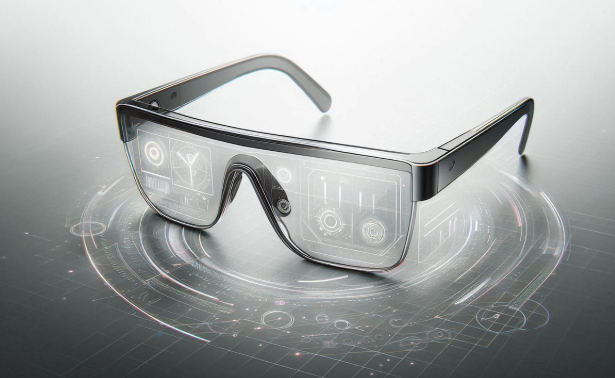
South Korea's education and professional certification systems are confronting a novel form of academic dishonesty as artificial intelligence technology becomes increasingly sophisticated and accessible. Prosecutors in Gwangju have formally indicted a man in his 40s for deploying AI-enabled glasses to gain an unfair advantage during a fire protection facilities engineer certification exam, representing the nation's first criminal case centred on this particular method of examination fraud. The case, announced in mid-July, underscores how rapidly technological advancement can outpace institutional safeguards designed to maintain testing integrity.
The suspect was apprehended in May while sitting for his examination at a test centre in Gwangju when an invigilator became alert to suspicious reflections emanating from the lenses of his spectacles. Upon closer inspection and subsequent investigation, authorities discovered that the man had developed a bespoke artificial intelligence application specifically programmed to work in tandem with the glasses, allowing answers to be displayed directly within his field of vision during the examination. The defendant later confessed to the scheme, claiming his primary motivation was to test whether the technology functioned as intended rather than purely to obtain fraudulent certification credentials.
The scope of this phenomenon extends beyond this single case. Investigators uncovered that two additional men, both in their twenties, had attempted similar tactics at qualification exam sites in Seoul and the port city of Mokpo during the same month. These parallel incidents reveal a troubling pattern of coordinated or copycat efforts to exploit technological loopholes in examination protocols. The rapid proliferation of such attempts within a compressed timeframe suggests that information about these methods may be circulating through online communities or among examination test-takers, raising concerns about potential wider adoption if countermeasures are not swiftly implemented.
Beyond credential examinations, AI glasses have also surfaced in international English proficiency testing. Authorities documented at least three separate incidents involving the TOEIC examination system, with two individuals apprehended in May and another caught in June utilising the same glasses-based cheating apparatus. These cases demonstrate that the problem is not isolated to domestic Korean qualifications but affects internationally recognised credentials that serve as gateways for educational advancement and employment opportunities across the region. The vulnerability of these high-stakes assessments to technological manipulation poses reputational risks for examination bodies and creates unfair competitive disadvantages for honest test-takers.
The implications of this emerging threat have prompted swift institutional responses. On July 10, representatives from multiple agencies responsible for administering major national qualification exams convened for emergency discussions focused on developing comprehensive countermeasures. The urgency of this convocation reflects recognition among examination authorities that technological threats to testing integrity cannot be addressed through incremental or delayed policy adjustments. These agencies must act decisively to prevent widespread adoption of such methods before they become normalised within examination culture.
Among the remedial measures under consideration is the explicit codification of AI glasses and similar wearable computing devices as prohibited items within examination halls. While traditional eyeglasses would naturally be permitted for vision correction purposes, examination administrators must develop clear protocols to distinguish between legitimate optical aids and devices incorporating computational capabilities. This distinction presents practical challenges, as determining whether glasses constitute a permissible medical device or a prohibited technological tool may require on-site technical expertise currently unavailable to most exam supervisors. Implementing such protocols would necessitate training examination staff to identify suspicious devices and establishing clear guidelines about what constitutes unacceptable eyewear.
Equally significant are discussions regarding substantially enhanced penalties for individuals caught engaging in examination fraud. Existing sanctions may insufficiently deter motivated cheaters willing to risk legal consequences for the perceived benefits of obtaining credentials through dishonest means. By dramatically increasing the severity of consequences, examination authorities hope to shift the cost-benefit calculus for potential offenders. Enhanced penalties could include not only criminal prosecution but also permanent bans from taking certain qualification exams, substantial fines, and damage to professional reputation that extends beyond immediate legal ramifications.
For Malaysia and other Southeast Asian nations, these developments carry important cautionary implications. As artificial intelligence technologies proliferate across the region and become increasingly affordable and accessible, similar examination cheating schemes could feasibly emerge domestically. Malaysian public and private examination bodies, including those administering professional certifications, university entrance assessments, and international credential tests, should monitor the South Korean situation closely and consider whether their own security protocols adequately address high-tech cheating methods. The relatively modest cost and ease of obtaining such devices mean that preventative measures implemented now would prove far more effective than reactive responses implemented after widespread abuse occurs.
The South Korean case also highlights the necessity for examination authorities across Asia to collaborate and share information about emerging cheating methodologies. As technology enables increasingly sophisticated forms of fraud, isolated national responses may prove insufficient. Regional coordination on security standards, examination protocols, and information-sharing regarding detected cheating attempts could help create a more cohesive defence against technological exploitation of assessment systems. Such cooperation would be particularly valuable given the prevalence of international examinations like TOEIC that serve large testing populations across multiple countries.
This incident ultimately reflects a broader tension in modern education and professional certification systems: the challenge of maintaining testing integrity while remaining compatible with legitimate technological innovation. Examination bodies must balance security imperatives against the reality that many test-takers legitimately require wearable devices for health, accessibility, or other legitimate purposes. Overly restrictive policies risk excluding individuals who rely on such technologies, while insufficient security measures enable determined fraudsters to circumvent assessment systems designed to verify genuine competence and knowledge. South Korea's response to this dilemma will likely establish precedents that influence examination security protocols throughout the region.

