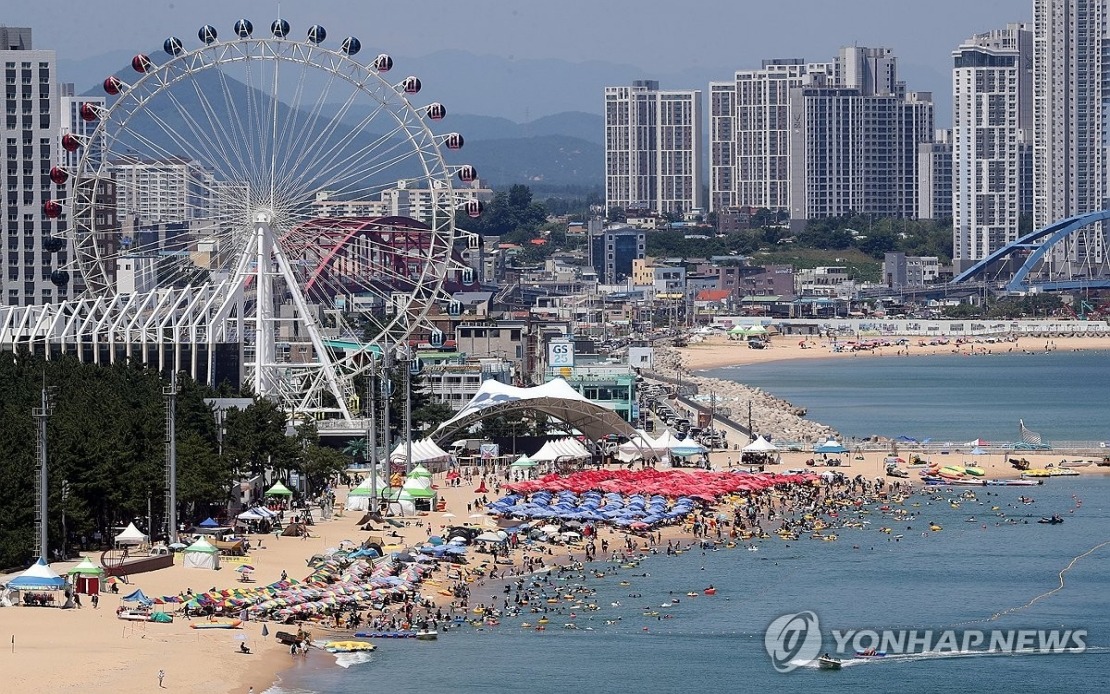
South Korea is enduring an unprecedented heat crisis as temperatures soared to 42.5°C in the southeastern city of Yangsan on Sunday, marking the highest reading in more than a century of meteorological records. The Korea Meteorological Administration documented the record-breaking temperature at 1:26 p.m. local time, following an initial reading of 42°C just ten minutes earlier. This extraordinary milestone underscores the severity of the heat wave currently engulfing the Korean Peninsula and raises alarm bells about the trajectory of extreme weather patterns in the region.
Yangsan, situated approximately 310 kilometres southeast of Seoul, has become the epicentre of this meteorological emergency. The city's experience is particularly troubling because it represents a clear escalation of heat intensity. The timing at which temperatures breach the 40°C threshold has been occurring progressively earlier each day as accumulated heat continues to intensify, leading meteorologists and government officials to warn that temperatures could potentially exceed 43°C. The consistent daily heating cycle suggests conditions may deteriorate further before relief arrives, creating urgent challenges for public health systems and infrastructure management across the nation.
The historical significance of this record cannot be overstated. Since the Korea Meteorological Administration began systematic temperature observations across the Korean Peninsula in 1904, no reading has approached these dangerous levels. The agency maintains 97 long-term observation stations across the country, providing comprehensive data spanning 120 years of climate history. This means the current heat wave represents not merely a severe weather event, but an unprecedented climatic occurrence in the modern era of Korean meteorological record-keeping.
The extraordinary conditions are not confined to Yangsan alone. Gyeongju, another southeastern city approximately 240 kilometres from Seoul, recorded 40.2°C by 1:55 p.m. on the same day, marking the first occasion this year that temperatures have exceeded the 40°C barrier in that location. More significantly, this reading represents the highest temperature Gyeongju has experienced in eight years, following a previous high of 39.8°C recorded in 2018. The geographical concentration of these extreme readings in the southeastern region suggests a particularly intense heat dome has settled over that area, trapping hot air and preventing natural cooling mechanisms from functioning effectively.
Yangsan's struggle with sustained extreme heat has intensified dramatically in recent days. Sunday marked the fifth consecutive day that temperatures in the city exceeded 40°C, indicating a relentless and unrelenting heat condition that provides residents with minimal reprieve. This extended duration of dangerous temperatures creates cumulative physiological stress on the population and strains the capacity of cooling facilities, hospitals, and emergency response systems. Unlike isolated heat spikes, which allow for partial recovery periods, this sustained intensity represents a genuine public health emergency requiring comprehensive governmental intervention.
In response to the escalating crisis, South Korea's government mobilized emergency protocols with considerable urgency. The government activated a "Level 2" emergency operation of the disaster response headquarters at 1 p.m. on Sunday, signalling a nationwide commitment to managing the extreme heat situation through coordinated multi-agency efforts. This elevated alert status enables rapid resource deployment and facilitates decision-making at the highest governmental levels. Prime Minister Han Seong-sook issued explicit emergency orders directing all government ministries and provincial governments to intensify safety inspections targeting vulnerable populations, including the elderly, children, outdoor workers, and individuals with chronic health conditions.
The structural dimensions of the emergency response extend beyond vulnerability management to encompass critical infrastructure resilience. Prime Minister Han's directives specifically mandated the maintenance of stable electrical power supply and reliable water distribution systems, recognizing that extreme heat events can simultaneously increase demand for cooling and disrupt utility delivery. Rolling blackouts or water shortages during peak heat periods could precipitate cascading humanitarian emergencies, particularly for vulnerable populations dependent on electrically powered medical equipment or cooling systems. Ensuring infrastructural stability therefore becomes an essential component of public safety management during extreme heat events.
Government authorities issued comprehensive public guidance cautioning citizens against outdoor activities and emphasizing strict adherence to established safety protocols. These recommendations represent an acknowledgment that ambient temperatures have reached levels where human exposure poses serious health risks, including heat stroke, dehydration, and exacerbation of pre-existing cardiovascular and respiratory conditions. Public advisories serve to reinforce individual responsibility for personal safety while signalling the seriousness with which officials regard the threat posed by current conditions.
For Malaysian and Southeast Asian observers, South Korea's heat crisis offers sobering insights into the trajectory of regional climate patterns. The Korean Peninsula, situated at considerably higher latitude than most Southeast Asian nations, has historically experienced more temperate conditions. The emergence of sustained temperatures exceeding 42°C in South Korea suggests that heat intensification across East and Southeast Asia may accelerate faster than previous climate models predicted. Southeast Asian nations already contending with high baseline temperatures and humidity levels face the prospect of increasingly severe heat waves that could push ambient conditions beyond the physiological tolerances of human populations and agricultural systems.
The scientific implications of this record-breaking event warrant serious consideration. Climate change is fundamentally altering the intensity, frequency, and persistence of heat waves across temperate and tropical regions alike. The fact that South Korea is experiencing temperatures unprecedented in 120 years of record-keeping indicates that underlying climatic conditions have shifted in ways that enable heat events of previously unobserved magnitude. For the broader Southeast Asian region, this Korean precedent suggests that record-breaking temperature events—previously considered statistical outliers—may become increasingly commonplace occurrences requiring permanent institutional and infrastructural adaptations.
The economic and social ramifications of sustained extreme heat extend far beyond immediate public health concerns. Agricultural productivity declines as crops experience heat stress, manufacturing processes dependent on cooling systems require additional energy inputs, and labor productivity in outdoor sectors deteriorates markedly. For Southeast Asia, where agricultural sectors remain economically significant and outdoor work predominates in many industries, the prospect of more frequent and intense heat waves poses substantial development challenges. Adaptation strategies must therefore encompass not only emergency response protocols but also long-term resilience building in agriculture, urban planning, and occupational safety standards.
As South Korea continues battling this unprecedented heat emergency, the broader lesson for the region is clear: climate change is no longer a distant concern but a present-day crisis manifesting through tangible, dangerous phenomena. The government's mobilization of emergency resources and public health measures reflects the gravity of the situation. For Malaysia and other Southeast Asian nations, South Korea's experience serves as a cautionary indicator of potential future conditions and underscores the urgency of implementing comprehensive climate adaptation and mitigation strategies before record-breaking events become routine occurrences.

