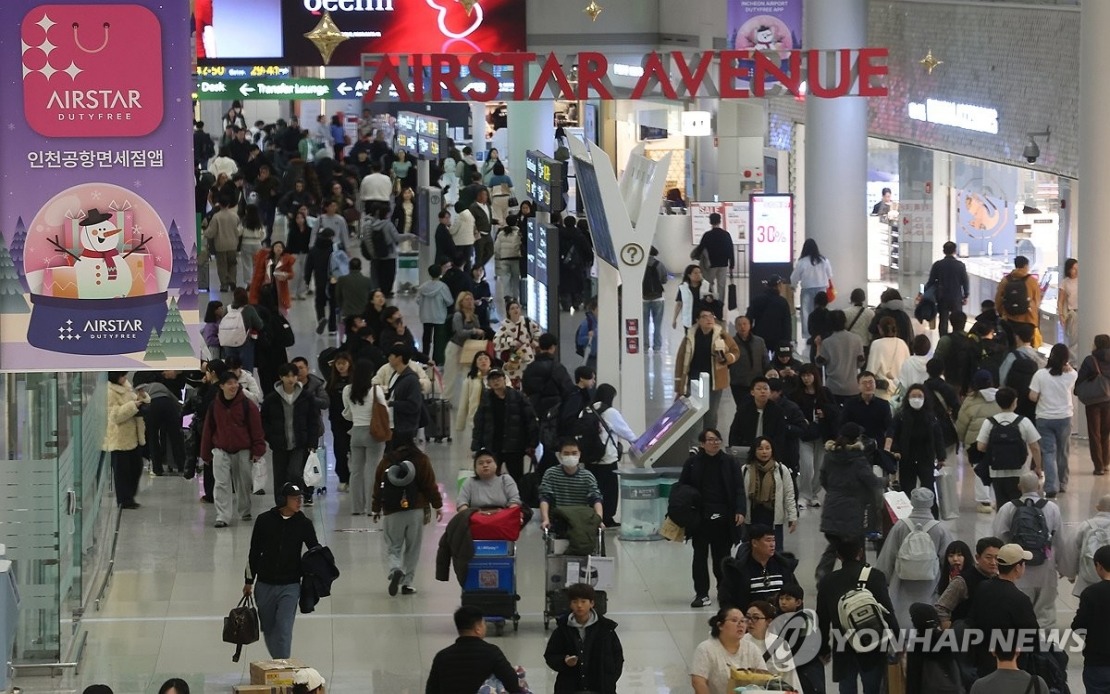
South Korea's tourism sector is experiencing a robust rebound, with the nation crossing the 10-million-visitor threshold by the third weekend of June—a significant acceleration that positions the country to achieve its highest annual tourist intake on record. The Ministry of Culture, Sports and Tourism confirmed the milestone, which represents the first time the figure has been reached within the opening six months of any calendar year. This accelerated pace is particularly notable because the same benchmark was not achieved until mid-July in 2023, indicating a marked strengthening of inbound travel demand.
The recovery in foreign arrivals demonstrates sustained momentum despite international economic uncertainties and geopolitical tensions in the Middle East that have driven up aviation fuel surcharges. May alone brought 1.95 million visitors, representing a 19.4 per cent increase compared to the same month in the prior year. This consistent monthly growth suggests that the recovery is not driven by isolated events but reflects genuine renewed interest in South Korea as a travel destination among diverse international markets.
The geographic composition of visitor flows reveals clear patterns in tourism preferences, with China maintaining its position as the primary source market for Korean tourism. Chinese tourists accounted for 560,000 arrivals in May, nearly three times the volume from Japan, which recorded 360,000 visitors during the same period. American visitors constituted the third-largest contingent at 210,000 arrivals. This distribution underscores South Korea's particular appeal to East Asian travellers, though the presence of significant numbers from Western markets indicates the country's broadening international draw.
A notable development in recent tourism trends is the geographical dispersal of visitor activity beyond Seoul and the surrounding metropolitan area, traditionally the primary hub for international arrivals. The Ministry's data shows arrivals through regional airports have climbed steadily over the first five months of the year, rising from 230,000 in January to 360,000 in May. This shift suggests successful implementation of policies aimed at distributing tourism benefits across provincial economies and reflects growing interest in experiencing Korean culture and attractions beyond the capital region.
Foreign visitor spending patterns point to robust economic activity within the tourism sector. Card expenditures in May, encompassing both in-store and online transactions, totalled 2.12 trillion won, equivalent to approximately US$1.38 billion. This represents the first instance since the country began systematic tracking of such metrics in 2018 that monthly spending has exceeded the 2-trillion-won threshold. The magnitude of this spending surge indicates not only increasing visitor numbers but also higher per-capita spending, reflecting either longer average stays or more substantial consumption per tourist.
For Malaysian travellers and businesses, South Korea's tourism resurgence carries several implications. The strengthening of Korean tourism infrastructure and expanded provincial airport capacity signal opportunities for regional tour operators and hospitality providers to develop competitive tour packages. Additionally, the demonstrated spending capacity of foreign visitors creates potential partnerships for Malaysian retailers, particularly those in luxury goods and experiential tourism sectors seeking to expand into Korean markets.
The acceleration of visitor arrivals and spending comes at a time when regional tourism competition remains intense across Southeast and East Asia. Vietnam, Thailand, and Indonesia have all invested significantly in tourism marketing and infrastructure, making South Korea's ability to attract growing numbers of international visitors noteworthy. The performance suggests effective destination marketing and the enduring appeal of Korean cultural exports, particularly in entertainment and technology sectors that resonate with younger demographic groups.
Kang Jung-won, head of the Ministry of Culture, Sports and Tourism's tourism policy office, attributed the strong performance to collaborative efforts with private-sector partners and strategic promotional campaigns. Officials have outlined plans to deepen cooperation with entertainment industry figures, particularly K-pop artists whose global fanbase represents a significant source of motivated international visitors. Export companies are also being mobilised as unofficial tourism ambassadors, leveraging business networks to promote South Korea's broader attractions to international contacts.
The government's growth trajectory projections suggest the potential for annual visitor numbers to exceed previous records by a substantial margin if current monthly growth rates persist through the remainder of 2024. Should the 10-million mark have been surpassed by mid-June, annualising this pace would suggest total arrivals could approach or exceed 17 million for the full calendar year, contingent on continued momentum during the critical summer and autumn tourist seasons.
Regional implications extend beyond tourism statistics. South Korea's ability to attract increasing numbers of international visitors while expanding their geographic distribution strengthens the country's position as a premier East Asian destination and reinforces its cultural and economic soft power in the region. This tourism growth also generates employment, supports small business development, and expands tax revenues that fund infrastructure and cultural preservation initiatives—benefits that extend beyond the tourism sector itself.
The resilience demonstrated by Korean tourism despite headwinds including elevated transportation costs reflects fundamental structural strengths in the destination's appeal. From developed transportation infrastructure to diverse cultural attractions, technological sophistication, and culinary excellence, South Korea offers a compelling proposition that transcends seasonal fluctuations or temporary economic disruptions. As the year progresses, the tourism ministry's initiatives to promote lesser-known regions and maintain visitor momentum will be closely observed by regional tourism authorities evaluating best practices for destination development and international promotion.