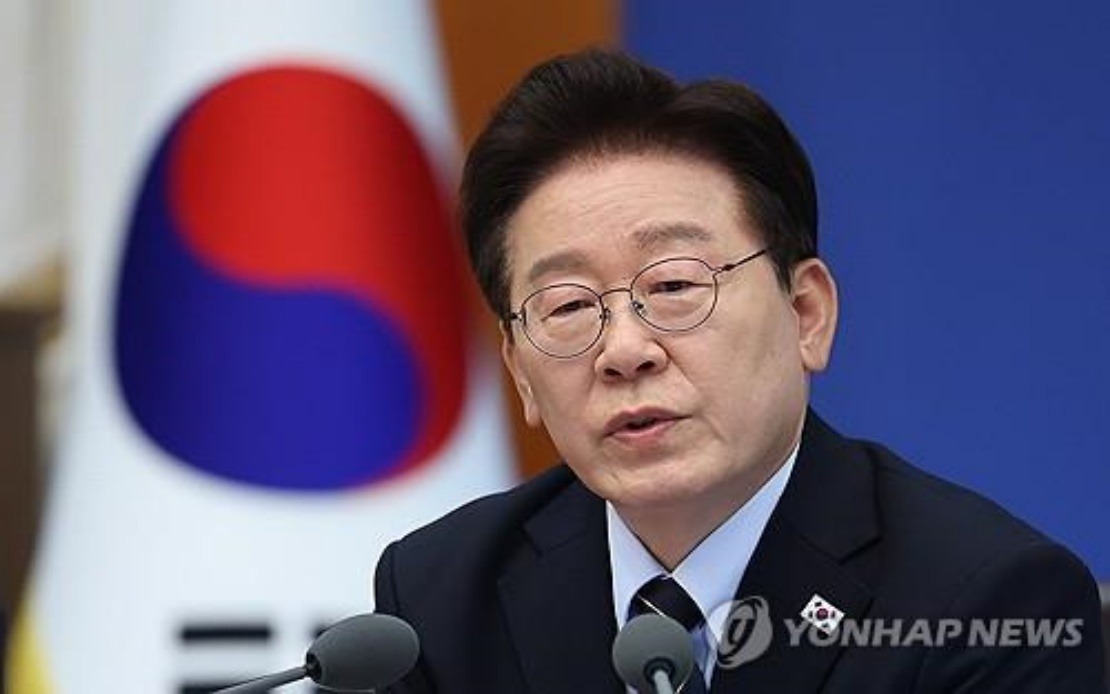
South Korea is charting a significant departure from its longstanding conscription model, with President Lee Jae Myung directing senior government officials to pursue comprehensive defence reforms that pivot toward a technology-driven military structure. The directive, issued during a high-level meeting at the presidential office, reflects growing recognition that the nation's demographic crisis—characterized by one of the world's lowest birth rates—fundamentally undermines the viability of the current defence apparatus, which has historically relied on maintaining large numbers of conscripted personnel.
The proposed shift represents a strategic acknowledgment that maintaining an "inefficient military structure" dependent primarily on mass conscription no longer aligns with South Korea's demographic realities or economic priorities. Instead, the government envisions a leaner, more technologically sophisticated armed force that compensates for reduced troop numbers through advanced equipment, automation, and artificial intelligence applications. This transformation would mark a departure from the Cold War-era model that has governed South Korean defence policy for decades, reflecting broader global trends toward smaller, more professional militaries equipped with cutting-edge capabilities.
Central to the proposed reforms is the introduction of selective conscription, a system that would fundamentally alter how South Korea approaches mandatory military service. Rather than requiring all able-bodied men to serve the current minimum of 18 months, selective conscription would allow the government to choose which citizens enter the military based on strategic needs, skills, and qualifications. This approach would reduce the overall burden on the civilian population while enabling the military to focus recruitment efforts on individuals with technical expertise or specialized training relevant to modern defence requirements.
Recognizing that military service carries significant personal costs for South Korean youth, President Lee has emphasized the government's responsibility to ensure that conscription does not derail individuals' career prospects or economic stability. His administration intends to implement policies linking military service to subsequent employment opportunities, educational advancement, and wealth accumulation pathways. This represents a sophisticated acknowledgment that sustainable defence policy must address not only military requirements but also the legitimate concerns of citizens whose formative years are consumed by mandatory service obligations.
The emphasis on career support following military service addresses a longstanding grievance among South Korean conscripts, who often perceive their service years as lost time that disrupts education, career progression, and earning potential relative to their peers. By creating structured pathways for post-service employment and education, the government seeks to reframe conscription as an investment in national service rather than a penalty imposed on young men. This psychological and practical reorientation could prove crucial to maintaining public acceptance of military service obligations amid declining willingness to sacrifice years of youth to traditional conscription.
The defence reform initiative carries significant implications for regional security dynamics in Northeast Asia. South Korea's military modernization efforts occur against the backdrop of North Korean weapons development and rising Chinese military capabilities. A transition toward a smaller, technology-intensive force represents a calculated bet that qualitative military advantages can offset quantitative disadvantages, a strategy also pursued by advanced militaries such as those of Japan and the United Kingdom. However, the timeline and effectiveness of such a transition will prove critical given ongoing regional tensions.
Beyond defence considerations, South Korea's conscription reforms intersect with broader demographic and economic challenges. The nation's birth rate has fallen to levels requiring urgent policy intervention across multiple sectors including education, housing, and social security. Military conscription, by removing substantial numbers of young men from the civilian workforce and delaying career entry, exacerbates these demographic pressures. Selective conscription offers potential mitigation, allowing more individuals to remain engaged in civilian economic activity during critical years of productivity and household formation.
The proposal also reflects evolving social attitudes toward military service and gender equality. Traditional conscription systems disproportionately affect men, raising questions about fairness and equal citizenship obligations. Selective conscription, by targeting military needs rather than blanket requirements, creates potential pathways for more flexible and potentially more gender-equitable approaches to defence contribution. However, South Korean society remains conservative on these questions, and implementation will likely prove contentious.
President Lee's simultaneous emphasis on housing policy during this defence discussion underscores interconnections between military reform and broader national priorities. High housing costs and shortage of affordable accommodation represent critical concerns for young South Koreans contemplating military service, marriage, and family formation. By addressing both military service conditions and housing supply simultaneously, the administration signals recognition that comprehensive policy coordination is necessary to address demographic and social crises.
The government's housing initiative, targeting over 230,000 additional units in the Seoul metropolitan area through accelerated public land development and limited greenbelt modification, aims to ease pressures that have accumulated since 2022. Supply constraints resulting from reduced permit approvals and construction starts have created what planners term a "supply cliff." By streamlining permit procedures and revising regulatory frameworks, the administration seeks to expand housing availability, thereby addressing one significant factor influencing young adults' life planning and willingness to meet national defence obligations.
Implementation of these military reforms will face substantial bureaucratic and political obstacles. Military institutions, established over generations around conscription-based structures, may resist fundamental reorganization toward selective recruitment and technology emphasis. Public debate over fairness, capability, and national security implications will likely be intense. Additionally, the transition period—during which South Korea must simultaneously reduce reliance on mass conscription while building technological capabilities—creates potential vulnerability windows that strategic competitors may seek to exploit.
For Malaysia and other Southeast Asian nations, South Korea's defence transformation offers instructive parallels and contrasts. While Southeast Asian countries face different security contexts and demographic profiles, South Korea's willingness to question inherited military models amid changing circumstances suggests that other regional powers might similarly reassess traditional defence assumptions. Technological modernization pressures, combined with evolving demographic realities, may prompt similar strategic recalibrations across the region.
The success or failure of South Korea's military reform initiative will carry implications extending beyond defence policy. It will demonstrate whether advanced democracies can successfully transition mass-conscription militaries toward professional, technology-intensive models without compromising security or social stability. The reforms' impact on defence readiness, military effectiveness, and conscription acceptability will be closely monitored by strategists globally, particularly in nations facing comparable demographic and technological pressures.

