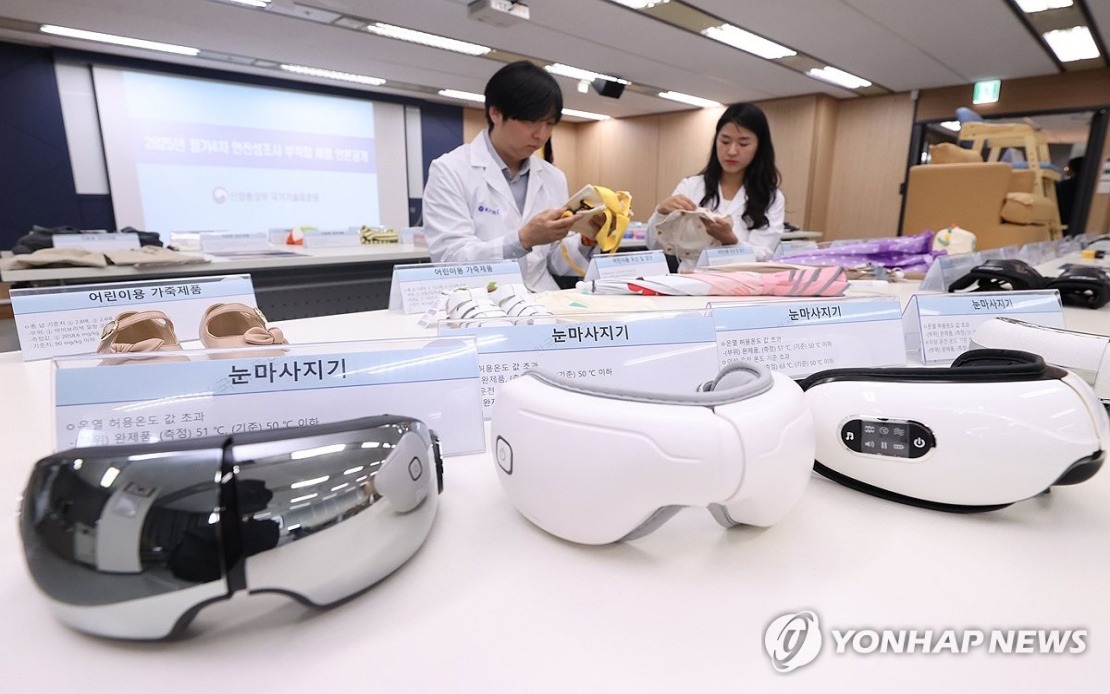
South Korea's product safety landscape deteriorated sharply in 2025, with the nation's Fair Trade Commission documenting a concerning 5 per cent surge in recall cases compared to the previous year. The increase from 2,537 to 2,656 incidents reflects a mounting challenge in protecting consumers from defective and potentially hazardous goods, particularly those entering the domestic market through digital sales channels. This upward trajectory underscores the growing complexity of regulating consumer products in an era dominated by online purchasing and cross-border commerce, issues that carry direct relevance for Southeast Asian economies similarly grappling with unvetted import flows through e-commerce platforms.
The most alarming finding within the broader recall data centres on violations of the Framework Act on Consumers, which nearly doubled year-on-year with a 42 per cent increase. The FTC identified 851 specific cases stemming from such breaches, signalling a systemic failure in product safety compliance at the import and distribution stages. What distinguishes these violations is their character: many involve goods that had already been subject to recalls in their countries of origin, yet found their way onto South Korean online marketplaces nonetheless. This pattern suggests that enforcement mechanisms remain porous, with imported merchandise bypassing regulatory checkpoints despite existing international recall alerts and safety standards.
The proliferation of hazardous imported products on e-commerce platforms represents a structural vulnerability in South Korea's consumer protection framework. As direct cross-border purchasing becomes routine for consumers seeking bargains and product variety, the traditional gatekeeping function once performed by conventional retailers has eroded substantially. Online marketplace operators, while nominally responsible for vetting sellers and merchandise, often lack the resources or incentives to perform rigorous safety assessments. This phenomenon mirrors challenges facing Malaysian consumers and regulators, where similar direct purchasing patterns from international sellers have outpaced the capacity of domestic authorities to monitor compliance effectively.
When disaggregated by product category, the data reveals important sectoral variations. Industrial consumer goods bore the heaviest burden, accounting for 1,282 recalls and representing an 8.6 per cent increase from 2024. This category encompasses everyday items from household appliances to personal care goods—precisely the merchandise most likely to arrive through cross-border online transactions. The relative resilience of pharmaceutical and herbal medicine recalls, which dropped 13.5 per cent to 295 cases, likely reflects stricter pre-market approval processes and closer regulatory oversight of the medicines sector. Medical device recalls, conversely, edged upward by 8.5 per cent to 308 cases, suggesting emerging safety concerns in a category that straddles pharmaceuticals and consumer products.
Understanding what constitutes a recall remains essential context for interpreting these figures. Recalls encompass both voluntary industry action and government-mandated corrections to address product defects posing actual or potential consumer harm. South Korea's regulatory approach encompasses three pathways: businesses may initiate corrective measures independently, respond to government recommendations, or comply with formal orders. The distinction matters considerably, as voluntary recalls often indicate more responsive manufacturers, whereas mandatory recalls suggest regulatory intervention was necessary. The 42 per cent surge in Framework Act violations implies that many recalls required governmental prompting rather than emerging from corporate self-regulation.
The Fair Trade Commission's response demonstrates recognition of the crisis's severity. In formal statements, the agency committed to enhanced surveillance coordinated across multiple government departments, effectively acknowledging that traditional sectoral regulation had become insufficient. This inter-agency approach mirrors trends in Malaysia and other regional economies, where consumer protection increasingly demands horizontal coordination rather than siloed enforcement. The FTC further pledged to work directly with online marketplace operators to block sales of recalled items and those flagged as safety risks through government testing. Such pressure on digital platforms represents a critical enforcement innovation, shifting responsibility upstream to the intermediaries facilitating transactions rather than relying solely on post-sale interventions.
The specific targeting of products previously recalled internationally signals strategic sophistication within South Korea's regulatory response. By requesting that marketplace operators remove goods with overseas recall histories, the FTC attempts to prevent arbitrage in safety standards—a tactic whereby sellers exploit looser enforcement in one jurisdiction to offload rejected merchandise in another. For Malaysian authorities and those across Southeast Asia, this approach offers a potential template, particularly given the region's similar exposure to transnational product flows and reliance on digital commerce platforms as distribution channels.
The underlying driver of this phenomenon extends beyond regulatory failure to encompass broader structural transformations in consumer commerce. The dramatic increase in direct cross-border purchases reflects genuine consumer demand for choice and value, coupled with the algorithmic efficiency of online marketplaces in connecting buyers and sellers across borders. Regulatory agencies struggle to monitor this expanding ecosystem in real time, particularly when transactions occur in multiple currencies and jurisdictions. Language barriers, divergent standards, and the sheer velocity of product flows compound the challenge. For Malaysian policymakers, these dynamics suggest that traditional import inspection and customs clearance mechanisms require fundamental modernisation to address digitally-mediated commerce.
The economic and public health implications deserve emphasis. Each recalled product represents not merely a regulatory failure but a potential incident affecting consumer welfare. While the available data does not specify injury rates or economic losses attributable to these recalls, the proliferation of unsafe goods carries tangible costs: medical expenses from defective product-related injuries, lost productivity from counterfeit or substandard items, and erosion of consumer confidence in online shopping generally. The compounding effect across 2,656 annual incidents demonstrates that this constitutes a material issue extending beyond technical regulatory concerns to broader consumer protection imperatives.
Looking forward, South Korea's experience illuminates challenges Southeast Asian governments must anticipate as e-commerce penetration deepens. The convergence of globalised product supply chains, direct-to-consumer digital purchasing, and resource-constrained regulatory agencies creates conditions where unsafe products inevitably proliferate. Addressing this requires simultaneous action across multiple fronts: strengthening marketplace operator accountability through clear legal obligations, developing real-time information-sharing mechanisms between countries regarding recalled products, investing in rapid testing and verification capacity, and building consumer literacy regarding risks inherent in unvetted cross-border purchases. Without such comprehensive approaches, product recall rates will likely continue climbing across the region.

