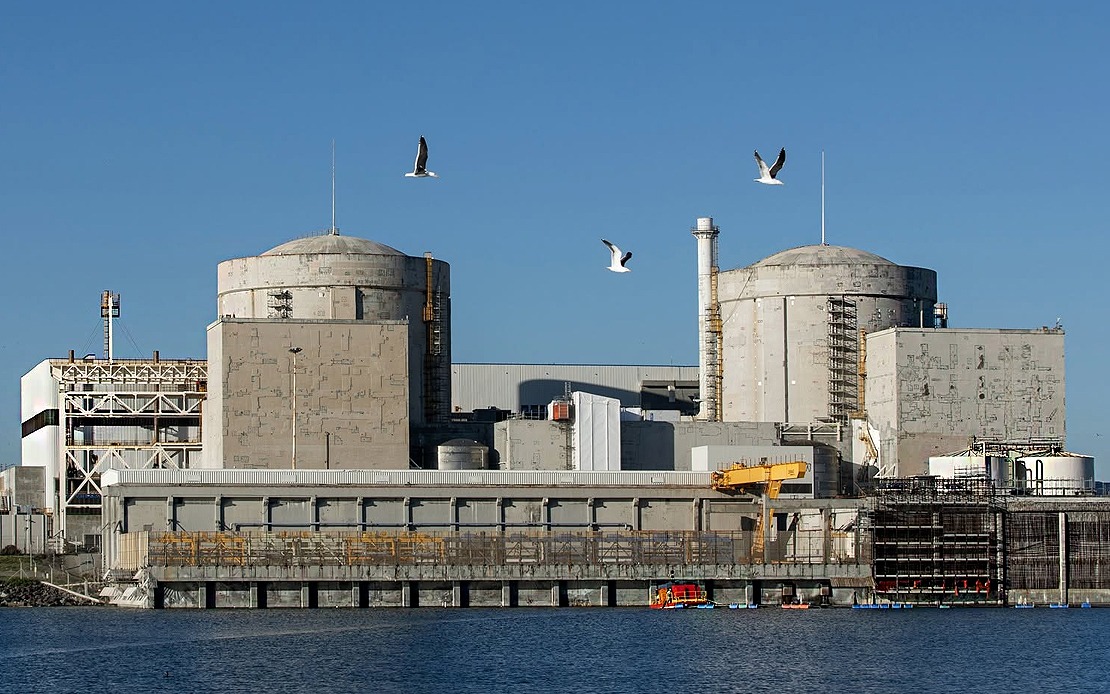
South Africa's government has disclosed that multiple workers at the Koeberg Nuclear Power Station sustained radiation exposure during routine maintenance operations across three separate incidents spanning the final days of June and the opening week of July. The disclosure came through Energy Minister Kgosientsho Ramokgopa during a media briefing, marking an unusual public acknowledgment of workplace safety concerns at the nation's only operational nuclear facility.
The Koeberg plant, situated approximately 30 kilometres north of Cape Town, experienced the exposure incidents on June 30, July 2, and July 7 respectively. While the incidents have prompted official commentary, authorities maintain that all exposure events were successfully contained without any breach of safety protocols. According to ministerial statements, no radioactive material escaped into the surrounding environment, and no threat materialized to the health and safety of residents in the broader Cape Town metropolitan region.
Minister Ramokgopa attributed the root cause of these incidents to a transient power failure that disrupted the plant's ventilation system operations. The temporary electrical interruption appears to have created conditions under which workers faced elevated radiation levels during their maintenance activities. However, government officials have sought to contextualize the exposure risk by noting that the radiation doses recorded were substantially lower than the exposure an individual receives during a routine dental X-ray examination.
Velaphi Ntuli, who oversees South Africa's nuclear safety regulatory division, provided additional reassurance by characterizing the incidents as falling below the formal threshold for reportable nuclear safety events within the country's regulatory framework. This assessment suggests that while the incidents occurred and warranted internal investigation and corrective action, they did not breach the severity levels that mandate public disclosure under standard nuclear safety protocols.
The Koeberg incidents arrive at a pivotal moment in South Africa's energy policy trajectory. The government has committed to a substantial expansion of the nation's nuclear generating capacity, with plans to introduce an additional 5.2 gigawatts of nuclear power generation capability into the electricity grid by 2039. This ambitious expansion programme reflects the administration's conviction that nuclear energy represents a cornerstone technology for addressing the country's chronic electricity supply challenges.
South Africa has endured years of crippling electricity shortages and rolling blackouts that have seriously hampered economic activity and household stability. The power crisis has become a defining policy challenge for successive governments, driving investment decisions across multiple energy technologies. Within this context, nuclear power advocates argue that the technology offers a reliable, carbon-neutral baseload generation capacity that can help restore grid stability and reduce dependence on aging coal-fired power stations.
The current electricity generation profile remains substantially anchored to coal, which continues to dominate the country's fuel mix despite mounting environmental and climate concerns. The government has articulated a strategic objective to transition South Africa's electricity system toward carbon-free generation, with a stated target of sourcing the majority of electricity from non-fossil fuel sources by 2050. Nuclear power expansion features prominently in this decarbonization roadmap, positioning the technology as essential to meeting ambitious climate commitments while simultaneously addressing immediate supply reliability concerns.
Yet the government's nuclear expansion ambitions encounter significant public resistance rooted in safety anxieties and concerns about radioactive waste management. Incidents such as the Koeberg exposure events, even when officially characterized as minor and well-managed, inevitably reinforce public skepticism about the risks associated with expanded nuclear operations. The visibility of such incidents can influence public opinion and potentially complicate political efforts to advance the necessary legislative and regulatory approvals for the substantial nuclear capacity additions planned over the coming decade and a half.
For regional observers across Southeast Asia, the Koeberg incidents offer instructive lessons about the operational challenges inherent in nuclear energy systems, particularly regarding workforce safety during maintenance operations. Many Southeast Asian nations are similarly contemplating nuclear energy expansion as a climate mitigation strategy, and South Africa's experience managing nuclear safety incidents—and communicating about them publicly—provides relevant case study material for policymakers evaluating their own nuclear energy futures.
The incident also underscores the critical importance of redundant safety systems and rapid response protocols when power supply disruptions occur at nuclear facilities. The temporary ventilation system failure that precipitated the exposure incidents highlights how seemingly routine operational challenges can quickly escalate into worker safety concerns. South Africa's regulatory response and the government's public communication strategy may shape international perceptions of the country's capacity to manage expanded nuclear operations safely and responsibly.
Moving forward, the Koeberg incidents will likely intensify domestic debate surrounding the pace and scale of South Africa's planned nuclear expansion. Environmental and safety advocacy groups will undoubtedly reference the incidents when making arguments for greater caution and more robust safety investments before committing to the 5.2 gigawatt expansion programme. The government's challenge will be demonstrating that such isolated incidents represent exceptions rather than harbingers of systemic safety deficiencies, while simultaneously implementing corrective measures that restore public confidence in nuclear operations.

