The tabling of the Social Work Profession Bill 2026 in Parliament on July 13 represents a watershed moment for Malaysia's social protection landscape, according to the Malaysian Association of Social Workers (MASW). The legislative development culminates over a decade of advocacy by the profession, finally translating years of deliberation into formal legal status for thousands of social workers operating across government agencies, non-governmental organisations, and community-based settings throughout the country.
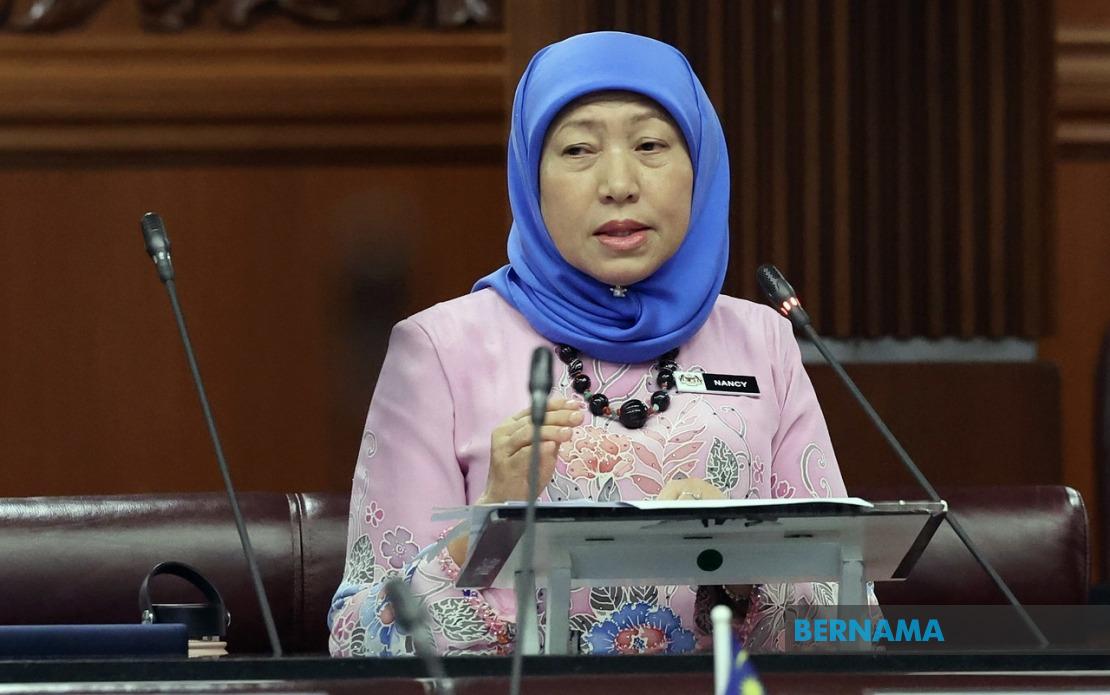
Women, Family and Community Development Minister Datuk Seri Nancy Shukri's ministry has championed this legislative effort, with MASW expressing appreciation for the consistent political commitment required to advance such a specialised professional bill through parliamentary channels. The move signals recognition at the highest levels of government that social work constitutes a distinct professional discipline deserving formal statutory regulation, moving beyond the current framework where practitioners operate without unified regulatory oversight or universally mandated qualification standards.
The significance of this bill extends beyond merely conferring professional status. MASW president Dr Teoh Ai Hua framed the legislation as essential to ensuring that those responsible for protecting individual, family, and community wellbeing possess demonstrable competence, ethical grounding, and recognised professional credentials. This institutional validation addresses long-standing concerns within the profession about quality assurance, consistency of practice standards, and the need for mechanisms to discipline practitioners who fall short of expected ethical and professional benchmarks.
From an international perspective, the bill positions Malaysia alongside other nations that have formalised social work regulation. The legislation brings the country into alignment with key regional and global frameworks, including the Ha Noi Declaration on Strengthening Social Work towards a Cohesive and Responsive ASEAN Community adopted in 2020, and the Global Standards for Social Work Education and Training developed jointly by the International Association of Schools of Social Work (IASSW) and the International Federation of Social Workers (IFSW). This alignment matters considerably for Malaysia's standing within ASEAN and for facilitating professional mobility and knowledge exchange across Southeast Asia.
The journey to this parliamentary moment has been lengthy and consultative. Work on the proposed legislation commenced in 2010, involving extensive collaboration between MASW leadership, social work educators, and practitioners spanning both government and non-governmental sectors. A Technical Committee and Special Project Team guided the drafting process to ensure the final bill reflected genuine needs of the profession whilst remaining responsive to public expectations and government priorities. This measured approach, spanning sixteen years, underscores the complexity of regulating a profession that intersects with multiple policy domains including health, education, child protection, mental health, and social welfare.
For Malaysia's social protection system more broadly, formal regulation of social work creates institutional infrastructure for enhanced service quality and accountability. Citizens and vulnerable populations accessing social services through qualified, regulated professionals gain assurance that minimum standards exist for practitioner training, ethical conduct, and ongoing professional development. This regulatory framework also establishes mechanisms for complaint resolution and professional discipline, protecting service users whilst supporting legitimate practitioners operating in good faith.
Vice-president Dr Mohd Iqbal Haqim Mohd Nor characterised the bill's tabling as transforming years of professional advocacy into concrete hope for systemic change. The statement reflects genuine anticipation within the profession that regulatory status will enhance recruitment, retention, and professional satisfaction among social workers, many of whom have operated without the institutional recognition afforded to similarly educated health and education professionals. Improved professional standing may address persistent workforce challenges including salary competitiveness, career progression clarity, and status within broader public service hierarchies.
However, the legislative pathway remains incomplete. MASW honorary secretary Amy Bala has called upon Members of Parliament to engage seriously with the bill during deliberations, signalling the organisation's expectation that parliamentary scrutiny will strengthen rather than weaken the provisions. This call for constructive engagement suggests potential areas where parliamentarians might propose refinements, whether concerning the composition of regulatory bodies, complaint mechanisms, or alignment with other related legislation. Such deliberative processes, whilst potentially extending timeline to passage, often produce more robust and durable legislation.
Implementation challenges loom equally large as legislative ones. Bala's emphasis on adequate resources and transparency indicates MASW's recognition that formal statutory recognition requires supporting infrastructure: a professional regulatory body, registration systems, continuing education frameworks, and enforcement mechanisms. Without corresponding budgetary allocations and genuine institutional commitment, the bill risks becoming symbolic legislation lacking substantive enforcement capacity, particularly given government sector constraints.
The bill's passage also carries implications for how Malaysia conceptualises its social safety net during a period of economic uncertainty and shifting demographics. As the population ages and family structures evolve, demand for professional social work services—in elderly care, mental health support, child protection, and community development—will intensify. Formalising the profession through legislation creates administrative capacity to respond systematically to these emerging demands rather than relying on fragmented, under-resourced initiatives.
Regional context matters here too. Several ASEAN nations have formalised social work regulation, whilst others remain at earlier stages of professionalisation. Malaysia's legislative move potentially positions the country as a regional leader, potentially influencing social welfare policy development elsewhere in Southeast Asia whilst creating opportunities for knowledge transfer and professional cooperation across borders. This assumes, of course, that Malaysia actually implements the legislation with genuine commitment.
The path forward requires sustaining political will beyond parliamentary passage. Opposition members, backbenchers, and government parliamentarians must collectively support the bill's progression through remaining stages. Subsequently, the appointed regulatory body must establish credible, inclusive governance structures that respect both professional expertise and public accountability. Professional bodies including MASW must balance advocacy for member interests with commitment to genuine public protection standards.
Ultimately, the Social Work Profession Bill 2026 represents Malaysia's commitment to modernising its approach to social protection through professional formalisation. Whether this legislative milestone translates into tangible improvements in social service quality, equity of access, and protection of vulnerable populations depends fundamentally on implementation decisions made during the coming months and years.

