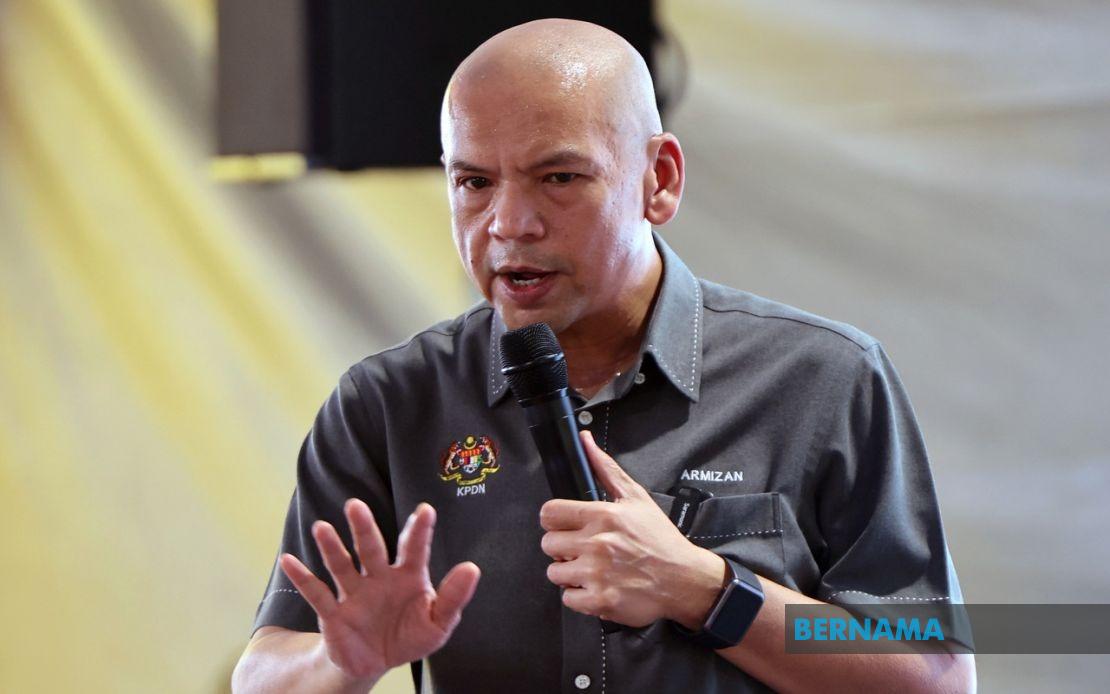
The Malaysian government has introduced a targeted relief measure for small businesses and local contractors, granting them access to 300 litres of subsidised diesel each month through fleet card arrangements. The initiative represents an attempt to cushion the blow from the government's shift toward a more focused subsidy system that began on July 1 across Sabah, Sarawak, and Labuan. Domestic Trade and Cost of Living Minister Datuk Armizan Mohd Ali unveiled the scheme during an official visit to Kampung Sekalong in Menumbok, emphasizing that the flexibility addresses a significant gap in the previous assistance framework.
The quota applies specifically to diesel vehicles registered under partnerships or sole proprietorships operating throughout the country, with the assistance designated purely for business operations. This distinction proves critical because many micro-entrepreneurs previously struggled to qualify for subsidies when applying as individuals rather than through formal business entities. Armizan explained that Cabinet approval was granted to tackle this accessibility problem, recognizing that small enterprises had been disadvantaged under the original implementation structure.
Under the reformed subsidy system, assistance is concentrated on two primary sectors: public transport operators and businesses involved in essential goods and consumer necessities distribution. Small companies operating outside these categories found themselves excluded from support, despite facing genuine hardship from elevated fuel costs. The new monthly allocation of 300 litres attempts to bridge this gap, though the volume reflects a compromise between government fiscal constraints and business needs. For context, many small contractors and traders rely on diesel vehicles for daily operations, making fuel expenses a substantial proportion of their overhead costs.
Armizan emphasized that the government maintains flexibility regarding subsidy implementation across the three affected regions, though any future adjustments must navigate three critical considerations. First, policymakers must account for the genuine cost-of-living impact on ordinary Malaysians, ensuring that subsidy modifications do not disproportionately burden consumers or small businesses. Second, the government remains vigilant about leakage and misuse risks, seeking to prevent fuel meant for legitimate business use from being diverted to unauthorized purposes or the black market. Third, officials must balance these concerns against the government's fiscal capacity, as accelerating diesel costs create competing budget pressures.
To strengthen implementation in remote and interior regions of Sabah and Sarawak, state-level agencies will be mobilized to facilitate registration and verify eligibility. This decentralized approach acknowledges that rural areas face particular challenges in accessing fuel subsidy programmes, with geographic isolation making it difficult for eligible businesses to navigate centralized processes. By deploying local government machinery, authorities hope to ensure comprehensive coverage and prevent eligible micro-entrepreneurs from being overlooked due to distance or administrative barriers.
The fuel allocation sits within a broader government initiative to support rural communities. Simultaneously, Armizan announced that Kampung Sekalong will receive RM500,000 in development funding under the MADANI Foster Village Programme, targeting infrastructure improvements that affect residents' daily lives. Projects include constructing a multipurpose community hall, upgrading village road networks, building and repairing culverts to address drainage issues, installing solar lighting systems, and erecting a village landmark. Officials expect these projects to be completed within two to three months, representing relatively swift infrastructure delivery for a rural area.
The MADANI Foster Village initiative reflects the government's stated commitment to narrowing development disparities between urban and rural Malaysia. The programme systematically addresses basic amenity gaps, encompassing water supply reliability, electricity access, road quality, street lighting, broadband connectivity, and community facilities. Kampung Sekalong represents the third such village to receive targeted development support, following earlier projects in Mukim Kaiduan within Papar district in 2024 and Mukim Tikam Batu in Kedah in the previous year. This pattern suggests the government intends the scheme as an ongoing mechanism rather than a one-off initiative.
Armizan, who represents the Papar constituency, has positioned himself as an advocate for localized development solutions addressing both economic and infrastructural challenges simultaneously. The dual approach—combining fuel subsidy relief with village infrastructure development—reflects recognition that small businesses require both immediate operating cost assistance and longer-term improvements in community conditions. Rural entrepreneurs operating in areas with poor roads, unreliable electricity, or limited internet access face structural disadvantages beyond fuel costs alone.
The subsidised diesel programme implementation in Sabah, Sarawak, and Labuan differed from the rollout in peninsular Malaysia, reflecting these regions' distinct economic structures and geographic characteristics. The later commencement on July 1 allowed federal authorities to refine implementation based on initial experiences, though unintended consequences for small businesses emerged quickly. The government's willingness to adjust policy within weeks of launch demonstrates responsiveness to stakeholder feedback, though some observers question whether the 300-litre monthly allocation adequately addresses small contractors' genuine fuel consumption requirements.
For Malaysian businesses operating in affected states, the new arrangement provides modest immediate relief, though several uncertainties remain regarding long-term subsidy sustainability. The government's emphasis on balancing cost considerations, leakage prevention, and fiscal space suggests that further adjustments may follow as officials gather data on programme effectiveness. Small contractors and traders should view the 300-litre monthly quota as a partial measure rather than comprehensive support, necessitating broader business resilience strategies.
The initiative also carries implications for Malaysia's broader economic policy direction, signalling that the government recognizes the tension between fiscal consolidation objectives and support for small and medium enterprises. As the nation continues implementing targeted rather than universal fuel subsidies, policymakers must maintain mechanisms ensuring vulnerable business sectors remain viable. The Kampung Sekalong project and similar rural development investments suggest the government intends combining subsidy assistance with infrastructure improvements to create more sustainable rural economic conditions, though resource constraints may limit the pace of such comprehensive development across multiple communities simultaneously.

