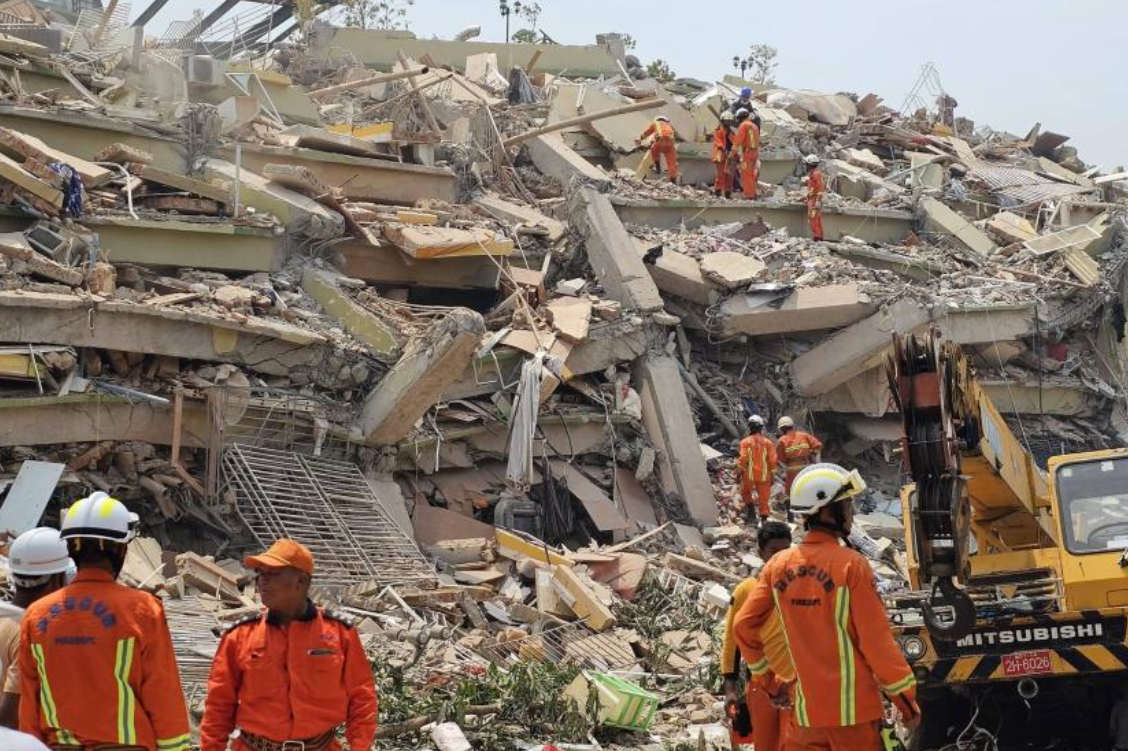
U Naing Htun Lin, owner of the Sky Villa Condominium in Mandalay, has been convicted and sentenced to five years in prison with hard labour following the catastrophic collapse of the 11-storey building during an earthquake. The Aungmyaythazan Township Court delivered the verdict on June 23, marking a significant legal conclusion to one of the deadliest structural failures associated with the natural disaster that devastated the region.
The building, situated between 21st and 22nd Streets on 60th Street in Aungmyaythazan Township, claimed more than 200 lives when it gave way during the earthquake. Recovery operations at the site yielded over 200 bodies, establishing the Sky Villa as among the most catastrophic single building collapses triggered by the seismic event. The scale of the tragedy underscored critical questions about construction standards, regulatory oversight, and developer accountability in Myanmar's rapidly expanding urban areas.
Lin was formally charged under Section 304-A of the Penal Code, which addresses death caused by negligence, following an investigation initiated at the No. (1) Area Police Station in Aungmyaythazan Township. The charges were brought by U Zaw Moe Aung, a staff officer from the Special Investigation Department, acting as the plaintiff in the case. The legal proceedings commenced with charges being filed on February 10, when Lin initially received bail and was permitted to maintain his freedom throughout the trial phase.
The trajectory of the case shifted substantially on March 17 when the court revoked Lin's bail status, remanding him into custody to serve the remainder of his trial in detention. This decision reflected judicial concern about the severity of the charges and the scale of loss resulting from the building's structural failure. The transition from bail to imprisonment marked a turning point in how the courts treated the developer's culpability in the construction failure.
Beyond the trial court's decision, the legal process has become considerably more complex, with multiple parties pursuing further judicial recourse. The Aungmyaythazan District Court has requested case files for review under Criminal Revision Case No. 39Ka/2026, indicating that superior courts are examining the proceedings for potential irregularities or grounds for reconsideration. According to judicial sources, both prosecution and defence teams have filed appeals and revision petitions challenging the verdict.
The five-year sentence under Section 304-A represents the court's assessment of negligence in the design, construction, or maintenance of the building that led to its catastrophic failure. However, the ongoing appellate proceedings suggest that the final determination of Lin's legal liability remains unsettled, with higher courts potentially reconsidering the sentence's appropriateness or the legal basis for conviction.
Lin operates as managing director of NTL Construction Company, the firm responsible for building the Sky Villa condominium. This dual role as both owner and company director raises questions about oversight structures and quality assurance mechanisms within Myanmar's construction industry. The case has become emblematic of broader concerns regarding building safety standards in a nation experiencing rapid urbanisation with sometimes inadequate regulatory frameworks.
Following the collapse and subsequent recovery efforts, Lin's wife, Daw Thet Thet Khine, led a group that organised three separate memorial ceremonies at a monastery pavilion on 19th Street. During these events, the group publicly apologised to the families of deceased victims and offered compensation of 10 million kyats to each family who lost a member in the collapse. While such gestures acknowledged responsibility and provided material support to grieving families, they occurred within the context of ongoing criminal prosecution.
The compensation figure of 10 million kyats per deceased individual represents a significant financial commitment, though its adequacy remains subjective given the immeasurable loss experienced by victim families. The provision of compensation alongside criminal proceedings reflects Myanmar's approach to addressing accountability for infrastructure failures, combining both punitive legal measures and financial restitution.
For Southeast Asian observers, the Sky Villa case illuminates the challenges facing rapidly developing nations in balancing urban growth with construction safety. Myanmar's earthquake vulnerability, combined with potential gaps in building code enforcement and inspection protocols, creates conditions where structural failures can result in mass casualties. The sentencing demonstrates judicial willingness to hold developers accountable, yet the appeal proceedings suggest ongoing debate about whether criminal penalties adequately address systemic infrastructure deficiencies.
The case carries implications for Malaysia and the region's construction sector, where similar rapid urbanisation creates pressure to expedite development timelines. Malaysia's more established building regulatory framework and enforcement mechanisms provide comparative context for understanding how stronger oversight can reduce catastrophic failures. The Sky Villa conviction underscores the importance of rigorous compliance with construction standards and the potential legal and personal consequences for developers who fail to meet safety requirements.
As Myanmar's courts navigate the appellate process, the Sky Villa case will continue evolving legally while remaining a stark reminder of how structural failures translate into human tragedy. The imprisonment and ongoing judicial review represent institutional attempts to assign responsibility for the disaster, even as questions persist about whether individual criminal prosecution adequately addresses the broader infrastructure and regulatory challenges that enabled the collapse to occur.

