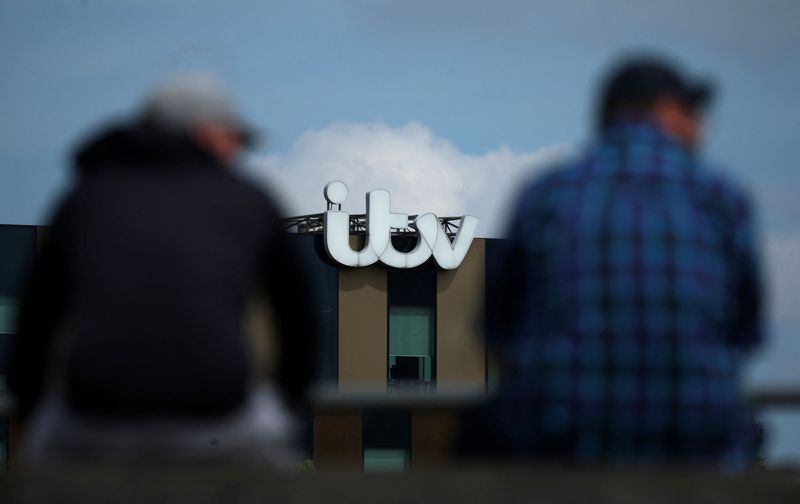
Comcast's Sky has agreed to purchase the broadcast channels and streaming operations of ITV, Britain's leading free-to-air commercial broadcaster, in a transformative £1.6 billion transaction announced on Monday that will reshape the competitive dynamics of British television. The acquisition marks what Sky Chief Executive Dana Strong characterised as a watershed moment for the industry, uniting two formerly separate segments of Britain's media ecosystem at a moment when traditional broadcasters face existential pressure from streaming services and digital platforms. The combined entity will reach more than 20 million households across the United Kingdom and aims to position itself as a credible competitor to Netflix, Amazon Prime Video, and Disney+ in an increasingly consolidated global media marketplace.
The merger represents a remarkable reversal in regulatory and industry thinking, as such a combination would have faced insurmountable obstacles to approval just a few years earlier. The convergence of streaming technology and changing consumption patterns has fundamentally altered the calculus around media consolidation in Britain. While traditional television audiences decline steadily—particularly among younger demographics aged 16 to 24—regulators and policymakers have begun signalling a willingness to permit larger scale operations that might otherwise trigger competition concerns. The British government's 2025 emphasis on prioritising growth conditions and investment over strict market concentration limits appears to have created the political and regulatory environment necessary for this deal to progress.
Crucially, the combined Sky-ITV operation would command approximately 70 percent of Britain's television advertising market, a concentration figure that would normally trigger intensive regulatory scrutiny. However, to address anticipated concerns from Britain's media regulator Ofcom and government authorities, Sky has already indicated willingness to divest certain third-party advertising contracts. These include arrangements with Channel 5, owned by Paramount, which currently form part of Sky's broader ad sales portfolio. Such remedies—essentially allowing competitors access to advertising inventory—may prove sufficient to satisfy regulators that the deal does not create uncompetitive market conditions.
Culture Minister Lisa Nandy has signalled her readiness to shape major media transactions according to government priorities, having indicated last week that she could intervene in the proposed combination of Paramount and Warner Bros. Her demonstrated appetite for active industrial policy in the media sector suggests the government will take an instrumental view of the Sky-ITV merger, weighing competition concerns against perceived national benefits of creating a stronger domestic media champion. This represents a notable shift from the historically arm's-length regulatory stance Britain maintained toward media consolidation in previous decades.
For ITV specifically, the transaction addresses years of financial deterioration driven by a challenging advertising market and structural headwinds affecting traditional broadcasters. The company's shares have declined 36 percent over the past five years, reflecting investor scepticism about standalone viability in an era of platform competition. Under the deal structure, ITV shareholders will receive £1.2 billion in cash immediately, plus a contingent earn-out arrangement potentially worth up to £200 million should the ITV advertising business meet specified performance targets during the 2027 financial year. Additionally, Sky will acquire Love Productions, the production company behind the popular programme The Great British Bake Off, which will be integrated with ITV's existing production division.
The transaction preserves ITV's fundamental character as a public service broadcaster, a commitment Sky emphasised to address political and regulatory sensitivities. ITV will continue obligated to produce distinctive British content reflecting diverse cultural perspectives and maintaining programming standards expected of public service operators. This arrangement protects Britain's established framework of public service broadcasting obligations whilst allowing ITV to benefit from Sky's distribution scale, technology platforms, and international reach. The clarity that ITV remains a public service entity should help neutralise potential cultural objections to the merger, which might otherwise frame it as purely commercial consolidation.
ITV's existing production operations will become a standalone business focused on content creation rather than broadcasting. This structure allows ITV Studios to supply programming to the combined Sky-ITV broadcast operation whilst simultaneously serving other broadcasters and streaming platforms globally. The division already produces major international commissions—including the Disney series Rivals and Apple TV's The Reluctant Traveller—demonstrating commercial viability independent of Sky-ITV's domestic distribution. This arrangement essentially transforms ITV from an integrated broadcaster-producer into a global content business, potentially unlocking value currently trapped within a struggling traditional broadcaster model.
The combined entity has committed to investing a minimum of £2.1 billion between 2028 and 2032, figures that substantially exceed current industry investment levels. This capital commitment addresses legitimate concerns about whether consolidated ownership might result in reduced investment in British programming. By tying minimum spending levels to specific future years, the deal structure creates accountability mechanisms for delivering jobs, production infrastructure, and creative employment across Britain's media sector. Such commitments proved crucial in obtaining regulatory clearance for previous major media transactions and will likely factor significantly in government and Ofcom assessments.
Sky's trajectory from Rupert Murdoch's 1989 launch into an American subsidiary reflects broader restructuring of global media ownership. Comcast acquired Sky in 2018 but has since announced intentions to separate Sky and other media assets from its core cable business, responding to sustained pressure from streaming competitors eroding traditional cable economics. The planned Sky-ITV combination represents Comcast's strategy for optimising the Sky asset within this restructured corporate framework, leveraging British regulatory advantages and market position before completing broader portfolio restructuring.
The deal will undoubtedly attract intense examination from British lawmakers, regulators, and media commentators over coming months. Parliament's Culture, Media and Sport Committee will likely scrutinise implications for media plurality, public service broadcasting obligations, and employment across the sector. Ofcom will conduct detailed competition analysis, examining whether proposed remedies adequately address advertising market concentration. For Malaysian and Southeast Asian observers, the transaction illustrates how traditional broadcasters globally are consolidating in response to streaming competition, suggesting similar pressures may eventually reach regional media operators across Asia.
The Sky-ITV merger signals that British authorities increasingly view media consolidation through an industrial policy lens, prioritising competitive strength against global platforms over strict domestic competition enforcement. This represents a meaningful reorientation of regulatory philosophy that could influence other proposed combinations within Britain's media sector. If approved, the deal will create a genuinely substantial British media operator with resources and reach comparable to international streaming platforms—potentially serving as a template for how traditional broadcasters can survive and compete in the platform era.

