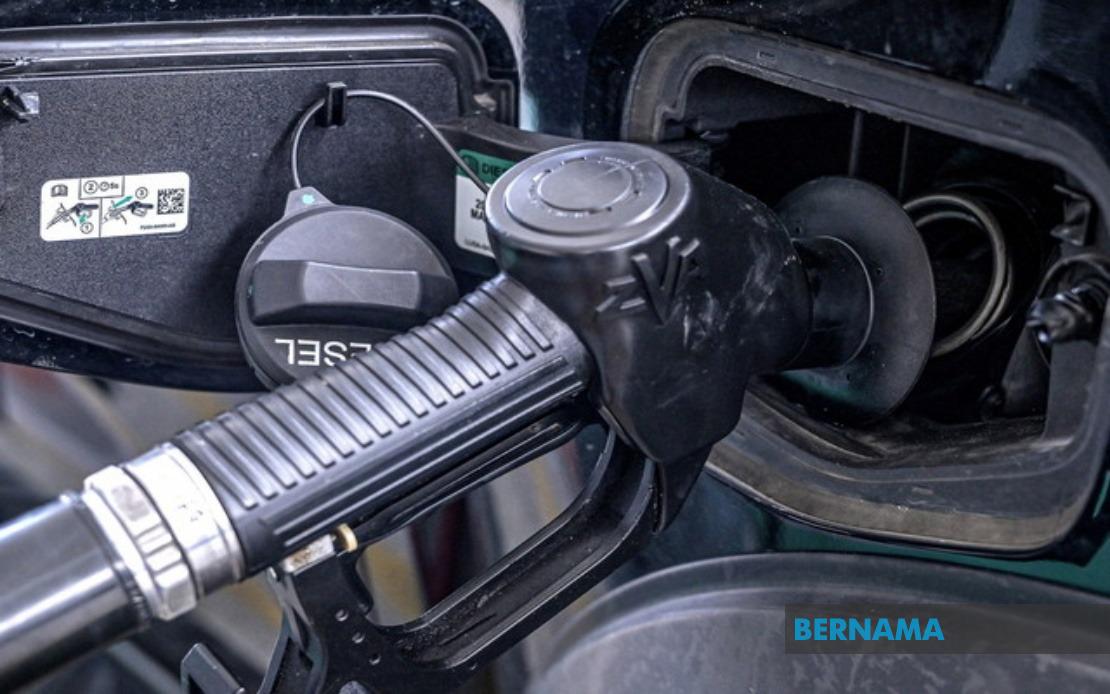
The Malaysian government has begun accepting applications for the Subsidised Diesel Control System (SKDS) covering company-owned commercial vehicles, marking a significant expansion of a subsidy programme designed to ease operational costs for small businesses. Domestic Trade and Cost of Living Minister Datuk Armizan Mohd Ali announced the initiative on July 3, indicating that successful applicants would qualify for diesel subsidies commencing July 15, contingent on approval and fleet card issuance.
To participate in the scheme, vehicle owners must satisfy specific registration and business structure requirements. The vehicles in question must be formally registered as business-use vehicles under the Company Private Use (AE) classification within the Road Transport Department's MySikap system. This categorisation distinguishes commercial vehicles from personal transport, ensuring the subsidy targets genuine business operations rather than private use.
Beyond vehicle registration, applicants face organisational prerequisites. The underlying business must be formally registered either as a sole proprietorship or partnership with Malaysia's Companies Commission (SSM), or with the appropriate local authorities in the East Malaysian states of Sabah and Sarawak. This requirement ensures the subsidy system maintains accountability and reaches legitimate economic operators rather than informal or unregistered enterprises.
The expansion demonstrates the government's strategic focus on supporting micro and small enterprises operating within the formal economy. By extending subsidies to this segment—particularly those operating company vehicles like jeeps and pickup trucks commonly used in construction, logistics, and service industries—policymakers aim to improve the competitiveness and sustainability of Malaysia's small business sector during a period of elevated operational costs.
Prospective beneficiaries can submit applications through the MySubsidi portal, with the government encouraging early registration to expedite processing. The online application platform represents a modernised approach to subsidy distribution, reducing bureaucratic friction and enabling rapid verification of eligibility criteria. Interested business owners should prioritise applications to secure their position and ensure timely receipt of subsidies from the July 15 commencement date.
This initiative builds on the government's earlier expansion of the SKDS programme. The subsidy scheme previously encompassed two distinct categories: the public land transport sector, including buses and taxis serving passengers, and the consumer goods land transport sector, which covers vehicles transporting merchandise for commercial distribution. The addition of company-owned private vehicles represents a third pillar, acknowledging the diverse operational needs across Malaysia's transport and logistics industries.
The layered expansion of SKDS reflects policymakers' recognition that diesel subsidies serve different economic functions across distinct transport segments. Public transport operators depend on subsidies to maintain affordable fares for commuters, whilst goods transport businesses require cost relief to compete in regional markets. Company vehicle operators filling intermediate roles in supply chains and service delivery similarly face pressure from fuel expenses, making subsidy eligibility an important consideration for business viability.
For Malaysian small business owners, the scheme offers tangible financial relief. Diesel remains a significant operational expense for vehicle-dependent enterprises, and subsidy programmes can effectively reduce running costs and improve profit margins. Particularly for micro and small proprietorships operating on thin margins, even modest diesel cost reductions can enhance cash flow and reinvestment capacity—factors critical to business growth and employment creation.
The regional implications merit consideration. Southeast Asia's small and medium enterprise sector faces intense competition from larger regional players, and operational cost pressures have intensified following global energy market volatility. Malaysia's targeted subsidy approach demonstrates an attempt to maintain competitiveness for domestic small businesses without universally subsidising fuel consumption, creating a more fiscally sustainable model than broad subsidies that benefit all sectors indiscriminately.
The registration requirements also establish clear parameters around who qualifies, reducing scope for misuse and ensuring subsidies flow to intended beneficiaries. By restricting eligibility to formally registered businesses with properly categorised vehicles, the government protects programme integrity whilst maintaining administrative efficiency. This targeted approach reflects lessons learned from earlier subsidy schemes and represents a maturing policy framework.
Implementation success will depend partly on how effectively the MySubsidi platform communicates eligibility criteria and processes applications. Malaysian small business owners, particularly those in rural areas with limited digital access, may require additional outreach and technical support to navigate online application requirements. The government's promotion of early applications suggests confidence in the system's capacity, though real-world uptake will reveal any operational challenges.
The SKDS expansion ultimately represents incremental but meaningful support for Malaysia's entrepreneurial sector. By systematically incorporating different vehicle and business categories, the government constructs a more comprehensive subsidy framework addressing the diverse needs of transport-dependent enterprises. For micro and small business owners operating company jeeps and pickup trucks, the July 15 eligibility date opens a tangible pathway to improved operational economics and enhanced business sustainability.

