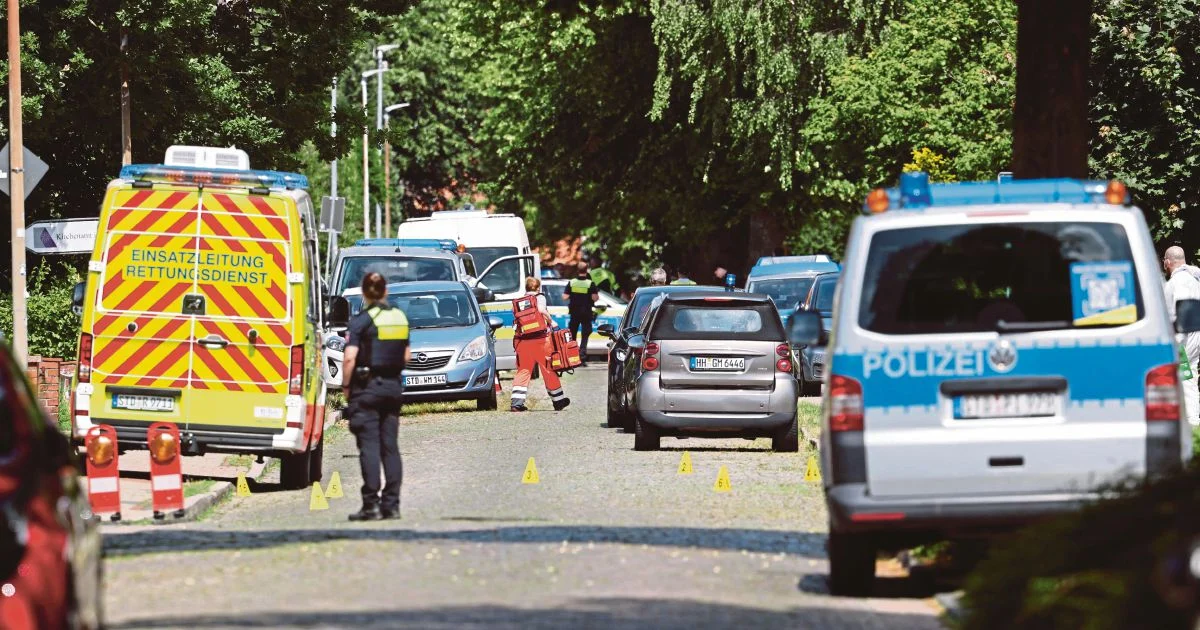
A devastating gun attack at a youth welfare centre in Germany has claimed six lives, marking another tragic incident of mass violence in the country. The shooting occurred on Monday at a facility that serves mothers and their children, with authorities responding quickly to apprehend the perpetrator and an accompanying female suspect. The incident has once again raised concerns about gun violence in Europe and the safety of vulnerable populations in social service settings.
German police described the attack as a likely "family tragedy," suggesting the incident may have stemmed from personal or domestic circumstances rather than ideological motives. This characterisation points to a complex situation involving relationships and interpersonal conflict that escalated to fatal consequences. The designation carries significant weight in how investigators interpret motive and context, distinguishing this case from other forms of mass violence that might be driven by political, religious, or social grievances.
The choice of location—a centre specifically designed to provide support and shelter for vulnerable mothers and young children—underscores the shocking nature of the violence. These facilities exist to protect some of society's most defenceless members, yet the attack penetrated that sanctuary. The incident will inevitably prompt reviews of security protocols at similar institutions across Germany and possibly throughout Europe, forcing welfare organisations to balance accessibility with safety measures.
The arrest of both a male gunman and a female companion raises questions about the circumstances surrounding the attack. The involvement of a second suspect suggests this may not have been a spontaneous act but rather involved planning or coordination between individuals. Authorities will now focus on establishing the relationship between the two arrested individuals and their connection to the victims, which may provide crucial insights into what triggered the violence.
Germany has relatively strict gun laws compared to many developed nations, making mass shooting incidents comparatively rare. Nevertheless, when they do occur, they generate significant shock waves through German society and across Europe. The tight regulations have generally succeeded in preventing the epidemic of gun violence seen in other developed countries, but this incident demonstrates that determined individuals can still carry out devastating attacks despite restrictive frameworks.
The setting of this tragedy—a welfare institution—reflects a broader pattern where vulnerable institutions and populations sometimes become targets. Youth and family services in Germany, like their counterparts elsewhere, operate with the assumption that they provide safe spaces. Staff members at such facilities are trained to support families in crisis, but conventional training rarely prepares workers for armed attacks. The psychological impact on surviving staff and families who use these services will likely be profound and lasting.
For Malaysia and Southeast Asian observers, this incident offers a sobering reminder of the unpredictability of mass violence and the challenges faced by social welfare systems globally. While Malaysia's own regulatory environment differs significantly from Germany's, the shared challenge of protecting vulnerable populations in institutional settings transcends borders and regulatory frameworks. The incident underscores how social workers and support staff, regardless of geography, face potential risks in their roles serving families experiencing distress.
The investigation into this shooting will likely take considerable time, as authorities work to establish detailed timelines, examine the relationship dynamics between the suspect, his female companion, and the victims, and determine whether there were any warning signs that might have prevented the tragedy. German law enforcement agencies bring considerable expertise to such investigations, and the findings may inform security practices not only within Germany but across European nations facing similar challenges.
This incident occurs within the broader context of gun violence discussions in Europe, where policymakers continually assess whether existing regulations require adjustment. While Germany's gun laws are among Europe's strictest, the shooting demonstrates that even comprehensive legal frameworks cannot completely eliminate risk. The focus will now turn to whether gaps exist in enforcement, psychological screening for weapon permits, or other mechanisms that might have been strengthened to prevent access by individuals posing a danger.
The emotional toll on the German public, particularly among families who rely on welfare services, will be significant. Trust in the safety of institutional care for vulnerable populations may be shaken, requiring authorities and welfare organisations to undertake extensive reassurance and security enhancement efforts. Support services for traumatised survivors and the families of victims will become essential in the aftermath of such a catastrophic event.

