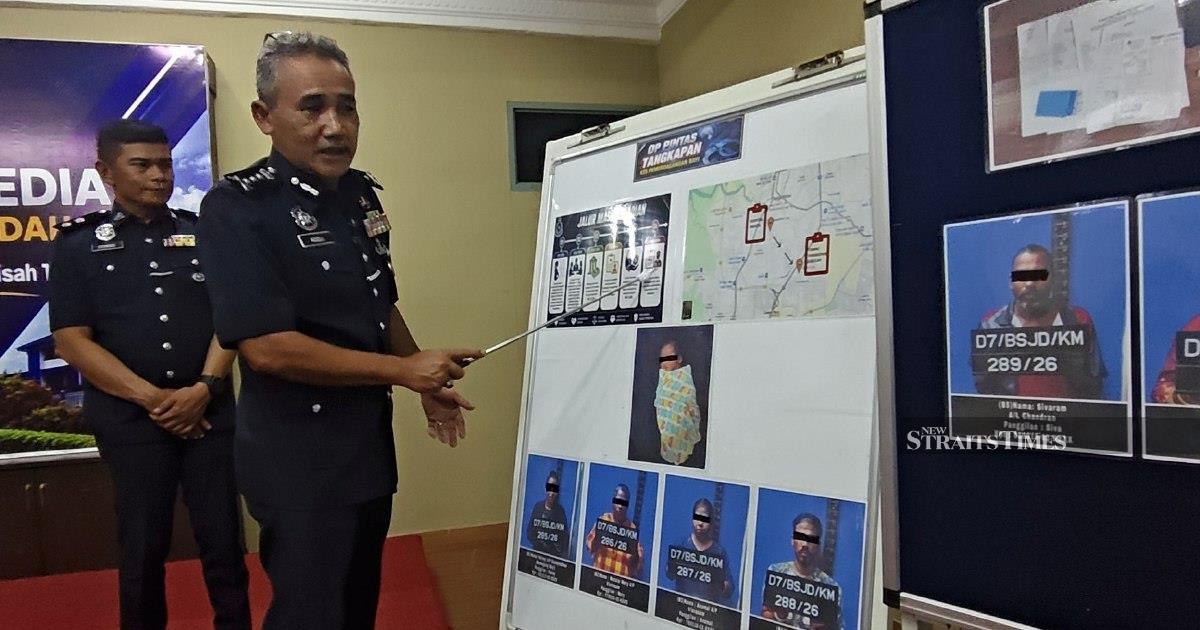
Investigators in Kuala Muda have taken into custody six individuals suspected of orchestrating an illegal baby trafficking operation, marking an escalation in law enforcement efforts against human trafficking networks in Malaysia's northern states. The arrests, which occurred in the Kulim district of Kedah, included a mother who had given birth merely five days before her detention, according to police records released Thursday. The swift action underscores authorities' heightened vigilance over trafficking cases involving minors, a category of crime that carries severe penalties under Malaysian law and has drawn increasing scrutiny from international human rights organisations.
The detained individuals are currently assisting police during an active investigation phase, with officers working to establish the full scope of the suspected operation. Authorities have not yet disclosed the identities of those in custody or confirmed whether formal charges will be filed. The nature of the case—involving persons just days or weeks old—has prompted investigators to examine potential networks across state lines and international borders. Baby trafficking and illegal adoption schemes represent one of the more insidious forms of human exploitation, often driven by networks profiting from couples desperate to become parents and vulnerable women facing economic hardship.
Kuala Muda has previously been identified as a location of concern for human trafficking activities. The district's geographical position within Kedah, combined with its proximity to transport corridors and commercial centres, has made it a potential hub for organised trafficking operations. Law enforcement agencies have intensified their presence in the area over recent years, conducting raids and surveillance operations targeting suspected smuggling networks. However, the involvement of a recently postpartum mother in the alleged scheme raises questions about vulnerability, coercion, and whether participants were themselves victims exploited by more senior organisers.
Baby trafficking typically involves complex supply and demand chains. On one end, traffickers target economically disadvantaged women, particularly those without family support or access to social welfare services, offering financial incentives for their newborns. On the other end sit networks of middlemen, adoption facilitators, and prospective parents willing to pay substantially for infants outside formal channels. Malaysia's strong demand for adoptable children, coupled with bureaucratic delays in the legitimate adoption process, creates conditions that allow illicit operators to flourish. Neighbouring countries and regional networks have also been identified by international organisations as sources of trafficked children destined for Malaysian families.
The Malaysian authorities' response reflects commitment to combat this category of crime, which violates multiple provisions under domestic law including the Anti-Trafficking in Persons and Smuggling of Migrants Act 2007. Conviction under this legislation can result in imprisonment for up to 15 years and substantial fines. However, enforcement remains challenging due to the clandestine nature of trafficking operations, the involvement of family members and trusted intermediaries, and the emotional complexity surrounding adoption and infertility issues. Victims—both the mothers and infants involved—often remain invisible in judicial proceedings, their needs secondary to criminal prosecution.
For Malaysian society, the Kuala Muda arrests carry broader implications. The incident highlights vulnerabilities within adoption and childcare systems that organised criminals continue to exploit. Civil society organisations have repeatedly called for strengthened regulation of private adoption agencies, improved support for unmarried mothers to reduce desperation, and heightened public awareness about the realities of trafficking. The involvement of a woman so recently postpartum also suggests potential complications in maternal health and welfare services, where such women might have been identified and offered legitimate alternatives to trafficking networks.
Regionally, Malaysia's position as a transit and destination country for trafficked persons means this case likely involves connections beyond Kedah's borders. Southeast Asian trafficking networks often operate across multiple jurisdictions, moving victims through Thailand, Myanmar, and other neighbours to reach Malaysian destinations. International cooperation between law enforcement agencies has improved in recent years, but gaps remain in information sharing and coordinated prosecution. The International Labour Organization and UNODC have identified baby trafficking as an emerging concern across the region, warranting enhanced border security and intelligence operations.
The Kedah Police contingent has indicated that investigations remain ongoing and that further arrests cannot be ruled out. Authorities are examining whether the operation involved medical professionals, government officials, or others in positions of trust. The case also necessitates immediate attention to the welfare of any infants or children recovered, including psychological assessment, genetic documentation for potential future family reunification, and secure temporary placement. NGOs with experience in trauma-informed care for trafficking victims have been mobilised to support authorities in this regard.
Moving forward, the case underscores Malaysia's continued vulnerability to organised trafficking despite legislative frameworks and enforcement efforts. Policymakers must weigh competing pressures: strengthening enforcement to deter trafficking while simultaneously addressing the root causes—poverty, gender inequality, weak social safety nets—that render women and children susceptible to exploitation. Community-level initiatives to educate potential victims and buyers about the illegality and harm inherent in baby trafficking remain underdeveloped compared to anti-trafficking work in other domains. The Kuala Muda investigation offers an opportunity for law enforcement, social services, and civil society to collaborate on a more holistic response to infant trafficking, potentially serving as a model for other states wrestling with similar challenges.

