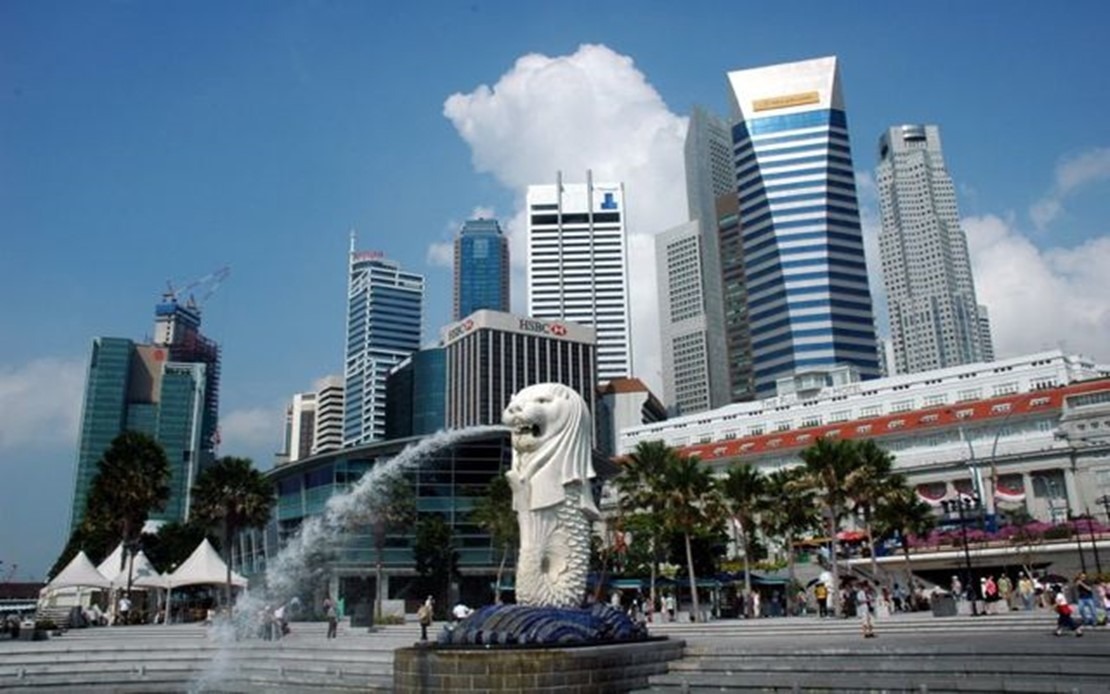
Singapore's National Environment Agency has placed its Haze Task Force on alert, signalling readiness to deploy contingency measures should atmospheric conditions deteriorate in the coming days. The agency's preparedness reflects mounting concerns about transboundary haze, a perennial challenge that affects multiple Southeast Asian nations during dry seasons, with the potential to disrupt daily life and strain public health systems across the region.
As of early afternoon on Sunday, the 24-hour Pollutant Standards Index reading for Singapore's Central region registered 81, placing air quality within acceptable parameters. This moderate classification allows residents and businesses to continue normal activities without restrictions, though the NEA's proactive stance underscores awareness that conditions can shift rapidly when meteorological factors align unfavourably. The agency has committed to issuing updated assessments should circumstances warrant intervention.
The trigger point for mandatory haze advisories sits at a PSI exceeding 100, crossing into what authorities classify as unhealthy territory. Upon breaching this threshold, the NEA will distribute daily guidance incorporating 24-hour forecasts, enabling Singaporeans to restructure schedules, postpone outdoor events, and adopt protective measures. Such early warning systems prove invaluable in minimising health impacts on vulnerable populations, including children, the elderly, and those with respiratory conditions.
Underlying the agency's vigilance is a troubling meteorological outlook. Prevailing southeasterly winds are transporting smoke plumes originating from active fire zones across Sumatra and Kalimantan directly toward Singapore's territory. These transboundary pollution episodes have become fixtures of the region's environmental calendar, with agricultural burning and land-clearing fires generating sustained emissions that traverse national boundaries. The southern Sumatran region emerges as a particular concern, given wind patterns that funnel smoke southward.
Current drought conditions amplify fire risks considerably. Extended dry spells create tinderbox conditions across Indonesian landscapes, transforming peatlands and forests into fuel sources susceptible to both deliberate burning and accidental ignition. Forecasts predicting prolonged dryness throughout the coming week suggest that fire activity may intensify rather than abate, potentially overwhelming firefighting and suppression efforts across the affected territories.
For Malaysia and other neighbouring economies, Singapore's preparedness protocols offer instructive precedent. The city-state's sophisticated monitoring infrastructure and graduated response framework represent institutional maturity in haze management, yet even Singapore's resources face limitations when transboundary pollution reaches extreme levels. During previous episodes, the entire region has experienced simultaneous air quality crises that strain healthcare facilities and disrupt commerce across multiple countries simultaneously.
The economic implications extend beyond Singapore's borders into Malaysian commerce and tourism. Regional airline schedules face disruption, shipping visibility declines, and outdoor activities across the peninsula may require cancellation or postponement. Manufacturing sectors reliant on precise environmental conditions experience operational challenges, whilst the tourism industry confronts potential visitor cancellations. These cascading effects underscore why bilateral and multilateral haze management assumes critical importance for Southeast Asian stability.
The technical sophistication of Singapore's PSI monitoring system demonstrates how granular environmental data informs public decision-making. By publishing hourly readings disaggregated by region, authorities empower individuals and organisations to make informed choices rather than operating under uncertainty. Malaysia's own environmental agencies increasingly adopt comparable transparency standards, recognising that public trust depends upon accessible, timely information rather than delayed official pronouncements.
Longer-term solutions require addressing root causes driving Indonesian fire activity. Weak enforcement of agricultural burning restrictions, inadequate land management practices, and economic incentives favouring rapid land conversion perpetuate cycles of transboundary pollution. Regional cooperation mechanisms, including the ASEAN Agreement on Transboundary Haze Pollution, ostensibly coordinate responses, yet implementation gaps persist. Singapore's Task Force activation, whilst essential for immediate harm reduction, ultimately cannot substitute for upstream prevention across source territories.
The coming week will prove decisive. Should dry conditions intensify and fire suppression efforts prove inadequate, Singapore may transition to elevated alert status, potentially triggering the kind of severe air quality episodes that dominated headlines during previous years. Such an outcome would test regional preparedness systems and rekindle debates about responsibility-sharing, enforcement mechanisms, and the adequacy of existing bilateral and multilateral frameworks governing transboundary environmental challenges.

