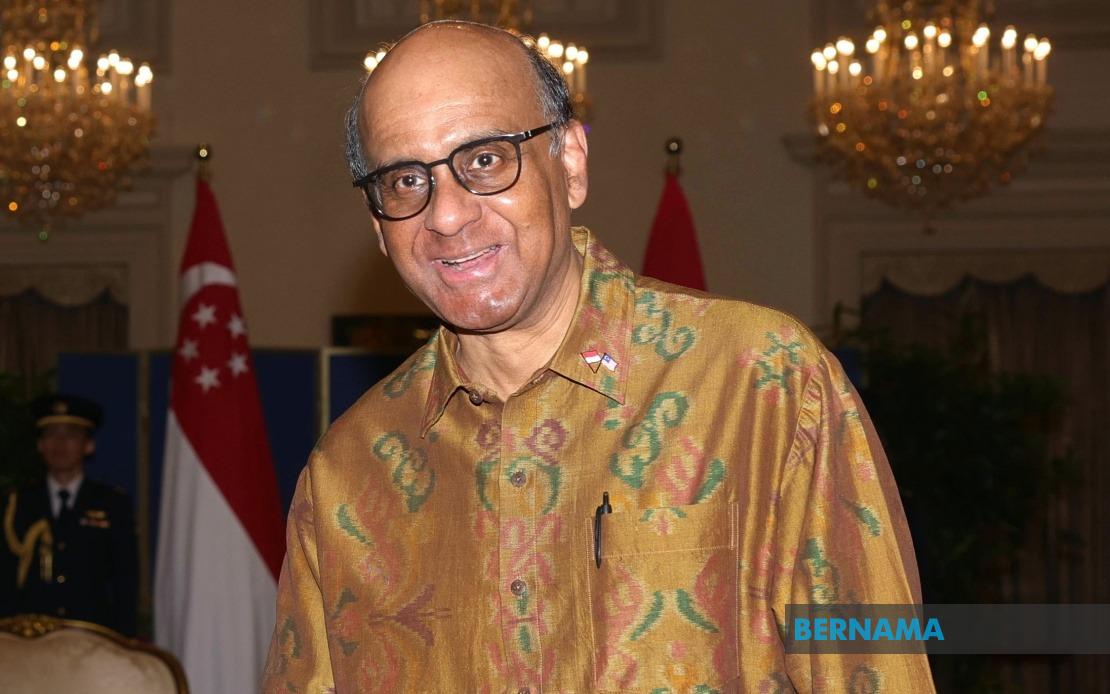
Singapore's President Tharman Shanmugaratnam will undertake a three-day state visit to Malaysia beginning July 13, marking his inaugural official journey to the country since assuming the presidency in September 2023. The visit, extending through July 15, comes at the invitation of His Majesty Sultan Ibrahim, King of Malaysia, and represents a reciprocal gesture following His Majesty's state visit to Singapore in early May 2024. The diplomatic exchange reflects the two neighbouring nations' commitment to maintaining the high-level engagement that characterises their relationship.
The Foreign Ministry has characterised the visit as emblematic of the enduring partnership between Malaysia and Singapore, emphasising how the engagement demonstrates expanding cooperation across sectors of shared concern. State visits typically carry significant diplomatic weight, serving as occasions for leaders to reaffirm commitments, discuss strategic matters, and celebrate the depth of bilateral relations. The timing of Tharman's visit underscores both countries' recognition that maintaining strong political ties at the highest levels remains essential to regional stability and prosperity.
Tharman will travel with his spouse, Jane Ittogi Shanmugaratnam, alongside a delegation comprising various ministers and senior government officials. This composition signals that the visit extends beyond ceremonial formalities, with substantive discussions likely to occur across multiple government portfolios. The inclusion of senior officials suggests preparation for conversations spanning economic integration, security cooperation, and potentially regional issues affecting both nations' interests.
The presidential delegation will experience the full ceremonial programme befitting a state visit. Tharman will receive a formal State Welcoming Ceremony upon arrival, followed by a private audience with His Majesty at Istana Negara, Malaysia's royal palace. The visit culminates in a State Banquet held in his honour, providing an occasion for official Malaysian guests and dignitaries to celebrate the bilateral relationship. Additionally, Prime Minister Datuk Seri Anwar Ibrahim will receive the Singapore President, ensuring that Malaysia's political leadership demonstrates the country's commitment to the partnership.
The economic dimensions of Malaysia-Singapore relations merit particular attention given the scale and trajectory of bilateral trade. Singapore currently ranks as Malaysia's second-largest trading partner globally and represents the largest trading partner among all ASEAN member states. This position reflects the deep integration of the two economies and their complementary roles within Southeast Asian commerce and finance. The trading relationship extends across diverse sectors including petrochemicals, electronics, financial services, and port operations, with Singapore's strategic location and economic dynamism making it indispensable to Malaysian trade patterns.
Bilateral commerce reached RM402.35 billion in 2025, equivalent to approximately US$93.97 billion, representing modest growth of 1.5 per cent compared with the preceding year. Whilst this growth rate appears modest, it reflects the already mature nature of the trading relationship and the substantial baseline from which incremental gains occur. More notably, data from the first five months of 2026 demonstrates accelerating momentum, with bilateral trade surging 14.5 per cent to RM189.90 billion compared with the corresponding period in 2025. This performance suggests strengthening economic activity and renewed dynamism in cross-border commerce as both nations pursue post-pandemic recovery strategies.
For Malaysian readers and policymakers, the trajectory of trade growth carries implications for employment, foreign exchange earnings, and industrial development. The concentration of bilateral trade value indicates that Malaysian exporters maintain significant exposure to the Singapore market, whilst Malaysian importers depend substantially on Singapore as a source of capital goods, financial services, and processed materials. Any disruption to Malaysia-Singapore relations could reverberate through Malaysian supply chains and corporate balance sheets across multiple sectors.
The state visit provides an opportunity for both leaders to address shared challenges and opportunities. Southeast Asia faces mounting pressures from global economic volatility, geopolitical tensions, and the energy transition. Malaysia and Singapore, despite their size difference, occupy complementary roles in regional affairs. Singapore's developed financial sector and technological expertise contrast with Malaysia's natural resources and manufacturing base, creating a relationship of mutual benefit. Official discussions during the visit likely encompass contemporary concerns including regional security, maritime cooperation, technology collaboration, and climate change adaptation.
The diplomatic significance extends beyond bilateral considerations. Malaysia-Singapore cooperation serves as a foundation for broader ASEAN cohesion and effectiveness. When the two most economically significant countries in the immediate region maintain strong official relations, it creates a stabilising effect that benefits the entire association. Conversely, tensions between them can fracture ASEAN's unity on regional matters. Through ceremonial visits and high-level engagement, both countries demonstrate to the region and the world that ASEAN remains focused on cooperative frameworks rather than confrontational approaches.
The visit also reflects shifting regional dynamics within Southeast Asia. As major powers including China, the United States, and India enhance their engagement with the region, Malaysia and Singapore must consistently reaffirm their bilateral commitment whilst coordinating their regional strategies. The state visit represents a statement that Malaysia and Singapore prioritise their long-standing partnership amid broader geopolitical competition for influence in Southeast Asia.
For investors and business communities across both countries, state visits carry practical significance beyond symbolism. They typically generate momentum for bilateral agreements, business delegations, and sectoral cooperation initiatives. The official programme provides a platform for announcing new projects, trade frameworks, or technological partnerships that were negotiated in advance. Malaysian and Singapore corporations often leverage state visits as opportunities to launch joint ventures or secure government support for expanded operations.
Historically, Malaysia-Singapore relations have experienced periods of strain alongside extensive cooperation, reflecting the complexity of managing a relationship between a developing nation with substantial natural resources and a developed city-state with limited territory. However, the consistency of high-level diplomatic engagement in recent years suggests both leaderships have prioritised stability. President Tharman's first state visit to Malaysia as Singapore's head of state represents a continuation of this pragmatic approach, emphasising institutional engagement and mutual respect whilst allowing both nations to pursue distinct national interests.
The three-day visit will conclude with Tharman's departure, but its significance will persist through any agreements reached, relationships deepened, and messages transmitted about Malaysia and Singapore's commitment to their enduring partnership. For regional observers and business stakeholders, the visit serves as a reminder that despite occasional tensions and policy differences, the two neighbours remain fundamentally committed to cooperation that benefits their populations and contributes to Southeast Asian stability and prosperity.

