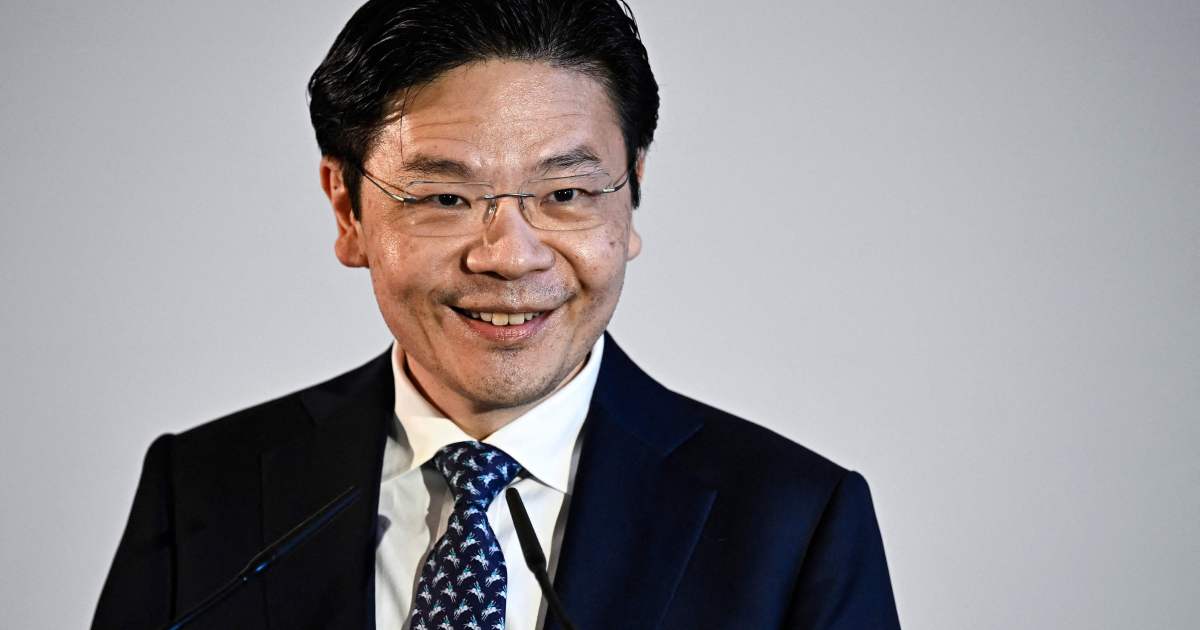
Singapore Prime Minister Lawrence Wong unveiled a comprehensive cabinet reshuffle on Wednesday, introducing a series of political appointments that signal the government's effort to revitalise its leadership structure following a period marked by the departure of several senior officials. The announcement represents a significant juncture in the republic's ongoing transition, as Wong consolidates his premiership while repositioning key players within the administration to address both immediate governance challenges and longer-term strategic priorities.
The cabinet restructuring comes at a particularly sensitive moment for Southeast Asia's most developed economy, which continues to navigate complex geopolitical dynamics, regional trade uncertainties, and domestic economic adjustments. Wong's decisions on ministerial portfolios and political appointments will inevitably influence Singapore's approach to pressing regional issues, from its evolving relationship with major powers to its role within ASEAN and its handling of cross-border economic partnerships essential to maintaining the city-state's prosperity.
For Malaysian observers, Singapore's leadership transitions carry particular significance given the deep integration of the two economies and the numerous bilateral issues that require sustained high-level attention. The composition of Singapore's cabinet directly affects negotiations on cross-border connectivity, water agreements, maritime boundaries, and the periodic disputes that emerge between neighbouring states sharing dense urban-industrial corridors. Changes in ministerial responsibility could alter the tenor and pace of bilateral discussions on matters ranging from infrastructure development to labour mobility and environmental management.
The recent resignations that preceded Wong's reshuffle appear to have created both challenges and opportunities for recalibration within the People's Action Party (PAP) structure. Rather than viewing these departures as setbacks, Wong has framed the reshuffle as an opportunity to inject fresh perspectives and energy into government departments while maintaining the institutional continuity that Singapore's bureaucratic apparatus demands. This approach reflects the pragmatic governance style that has characterised Singapore's political establishment, where transitions are managed to preserve stability even as personnel change.
The appointment announcements suggest Wong is distributing ministerial roles with careful attention to both performance records and generational balance. Singapore's leadership pipeline has received considerable international scrutiny, particularly regarding whether the republic can maintain its reputation for administrative excellence and technocratic competence during succession periods. The specific portfolio assignments made during Wednesday's announcement will provide insights into which policy areas Wong considers most critical and which senior officials he believes possess the requisite judgment and capability to drive forward his policy agenda.
Within the broader Southeast Asian context, Singapore's cabinet composition holds significance beyond the city-state's borders. The republic functions as a crucial trading hub, financial centre, and technological innovator for the region, and the stability of its governance apparatus directly impacts investor confidence and regional business sentiment. Singapore's ability to execute complex policy shifts—whether in economic restructuring, sustainability initiatives, or digital transformation—depends substantially on the coherence and capability of its ministerial teams. Malaysian companies with significant operations in Singapore, including financial institutions, manufacturing enterprises, and trading firms, will monitor these appointments carefully for signals regarding the business and regulatory environment.
Wong's cabinet reshuffle also reflects broader trends within the PAP regarding the integration of younger leaders into senior positions while retaining experienced hands in critical roles. This generational engineering is essential for Singapore's political system, which has historically relied on orderly transitions and the identification of rising talent within a tightly managed political ecosystem. The appointments announced on Wednesday will reveal the prime minister's assessment of which younger officials are ready for greater responsibility and which institutional relationships require preservation through retention of experienced figures.
The timing of the reshuffle carries implications for Singapore's near-term policy direction. With new ministerial arrangements in place, Wong can now move forward on legislative initiatives, regulatory adjustments, and strategic investments that may have been temporarily held in abeyance during the transition period. For Malaysia, this could mean accelerated progress on bilateral matters that have awaited cabinet-level decisions, from infrastructure cooperation initiatives to joint regulatory frameworks affecting cross-border commerce and connectivity.
The announcement also underscores Wong's consolidation of authority following his assumption of the premiership. By making comprehensive changes across multiple ministerial portfolios, the prime minister demonstrates his intention to place his own stamp on government operations while honouring the institutional legacy of his predecessors. This balancing act—respecting tradition while asserting new direction—has been central to Singapore's leadership transitions and Wong's reshuffle follows this established pattern, albeit adapted to contemporary governance challenges and the specific composition of the current political establishment.
International observers, particularly from trading partners and regional rivals, will scrutinise which ministries receive heightened resources and attention through these appointments. Portfolio assignments often signal priority areas, and the reshuffle may indicate shifting emphasis on defence capabilities, economic diversification, climate adaptation, or technology development. For Malaysian policymakers, understanding these priorities facilitates more strategic alignment on shared interests and clearer identification of potential areas for cooperation.
The broader lesson from Wong's reshuffle is that even Singapore's famously stable and efficient governance apparatus requires periodic renewal and repositioning. The departures that preceded this week's announcements were not indicative of systemic dysfunction but rather reflected the natural operation of a meritocratic system where individuals move between roles based on performance, contribution, and life circumstances. Wong's response has been to treat the reshuffle as an opportunity for institutional refreshment rather than crisis management, a distinction that will likely characterise the narrative surrounding these political changes in coming weeks.

