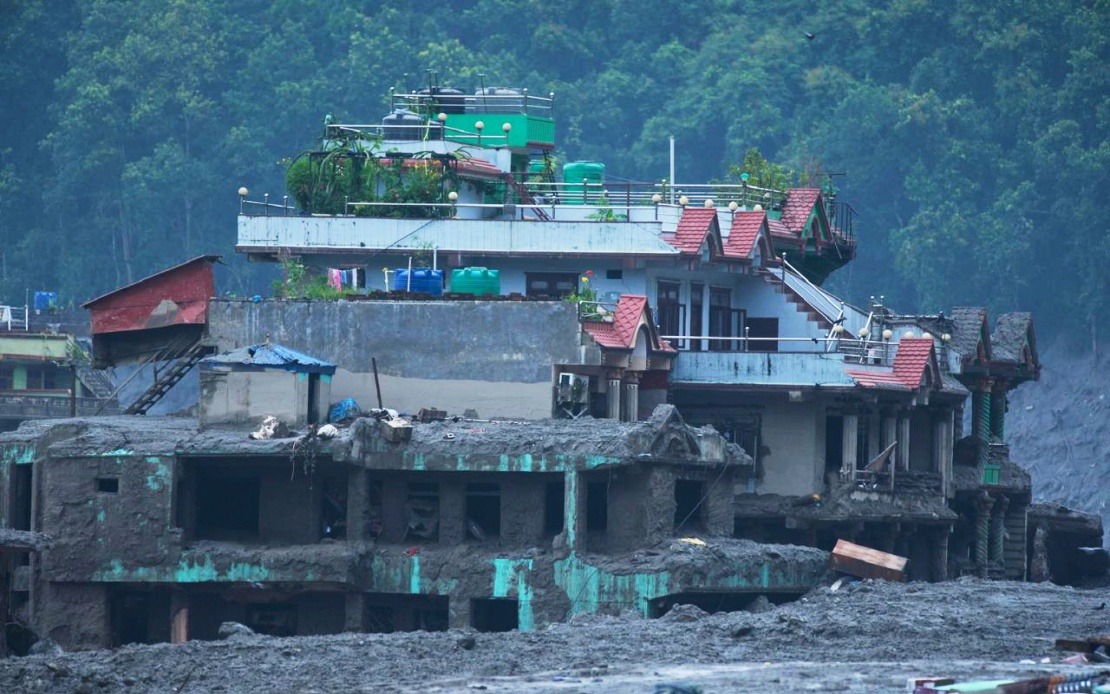
Singapore's Ministry of Foreign Affairs has mobilised its diplomatic machinery in response to devastating flash floods that have struck the mountainous border region between Nepal and China, with confirmation that at least two Singaporean citizens are among the nearly 50 hikers unaccounted for following the natural disaster. Prime Minister Lawrence Wong acknowledged the tragedy in a statement released Thursday, pledging that Singapore's foreign ministry would coordinate directly with relevant authorities in both affected nations to provide urgent consular support to impacted Singaporeans and maintain contact with their families during this uncertain period.
The immediate crisis unfolded as an international hiking expedition encountered the catastrophic weather event in northern Nepal, where a multi-national group of trekkers found themselves caught in the path of rapidly advancing floodwaters. The expedition, organised by Himalayan Glacier Adventures, comprised mountaineers from six nations spanning three continents—Australia, Nepal, the United Kingdom, the United States, Russia, and Singapore—illustrating the region's prominence as a destination for high-altitude adventure tourism. The operator's founder and chief executive, Sagar Pandey, confirmed that 47 members of the larger expedition group remain missing as rescue operations intensify across remote terrain that poses considerable logistical challenges for emergency responders.
Prime Minister Wong's public statement emphasised Singapore's compassion for both Nepal and China, nations grappling with the human and material costs of the flooding. His expression of solidarity with local authorities and emergency personnel reflected Singapore's commitment to regional cooperation during crisis situations, a diplomatic posture that carries particular weight given the city-state's economic ties and strategic relationships throughout Asia. The statement pointedly extended condolences to bereaved families and acknowledged the broader community impacted by the disaster, signalling Singapore's recognition that natural catastrophes transcend national boundaries.
The scope of the missing persons—47 hikers across multiple nationalities—underscores the inherent dangers posed by trekking expeditions in the Himalayan region during monsoon season. The Nepal-China border area has become increasingly popular among international adventure tourists seeking challenging mountain experiences, but the terrain's remoteness and unpredictable weather patterns create significant rescue complications. For tour operators like Himalayan Glacier Adventures, the incident represents an operational and reputational crisis that will likely trigger investigations into safety protocols and weather forecasting procedures employed during the expedition.
Singapore's foreign ministry has issued comprehensive travel guidance to its nationals currently in Nepal, advising heightened vigilance and continued monitoring of local news reports from affected areas. The advisory specifically identifies five districts—Rasuwa, Nuwakot, Dhading, Gorkha, and Chitwan—as immediate flood zones that should be avoided by Singaporeans, reflecting a cautious but measured risk assessment approach. By providing specific geographic guidance rather than broad country-wide warnings, the MFA sought to balance security concerns with recognition that large portions of Nepal remain unaffected and accessible to tourists and business people.
The practical implications of the flooding extend beyond immediate search and rescue operations. The ministry's warning about potential disruptions to roads, transport networks, and telecommunications infrastructure reflects the cascading effects of severe weather events in developing nation contexts where infrastructure resilience may be limited. Singaporeans planning travel within Nepal have been instructed to verify conditions before undertaking journeys, a precaution that acknowledges both the unpredictability of the disaster's aftermath and the likelihood of secondary impacts affecting regional connectivity. The destruction of transportation links and communication systems complicates not only rescue efforts but also the ability of affected individuals to contact their families and inform them of their status.
The incident carries broader implications for Southeast Asia's adventure tourism industry, which has expanded dramatically over the past two decades. The involvement of citizens from multiple developed nations in a single expedition highlights how globalised outdoor recreation has become, with organised tours attracting participants from wealthy Asian economies including Singapore. When disasters strike, they expose the complex intersections of commercial tourism operations, government consular responsibilities, and the unpredictability of natural forces in extreme geographic environments. The diplomatic coordination required to manage such incidents demonstrates why regional relationships matter in crisis response scenarios.
For Malaysian readers, the unfolding situation offers several points of consideration. The Himalayan region, though geographically distant, attracts increasing numbers of Malaysian adventure seekers and tourists who undertake treks and mountain expeditions. The Nepal disaster serves as a reminder of the environmental hazards inherent in high-altitude trekking, particularly during monsoon seasons when weather patterns become volatile. Malaysian families with relatives undertaking similar expeditions in South Asia should maintain updated contact information and stay aware of regional weather forecasting, understanding that rescue operations in remote mountainous areas can take considerable time even with coordinated international response.
Singapore's methodical diplomatic engagement with Nepal and China demonstrates how city-states navigate crises affecting their nationals abroad. The coordination between three national governments—each with different governance structures and international relationships—shows that shared humanitarian imperatives can override other geopolitical considerations. For Malaysia and other Southeast Asian nations, the episode underscores the importance of maintaining robust consular networks capable of rapid activation when nationals face emergencies in distant regions. The reliance on foreign ministries to coordinate with local authorities, conduct search operations, and support affected families represents a fundamental government responsibility that becomes critical when citizens venture into remote or hazardous environments.
As rescue operations continue in the flood-affected areas of northern Nepal, the situation remains fluid with additional casualties or survivors potentially emerging as weather conditions stabilise and rescue teams gain access to previously unreachable areas. The international dimension of the missing persons group—spanning continents and representing different diplomatic channels—adds urgency and complexity to recovery operations. Singapore's proactive engagement with both Nepali and Chinese authorities reflects the pragmatic diplomacy required in coordinating multinational responses to humanitarian disasters, a model that other regional states watch carefully when their own nationals face similar predicaments.

