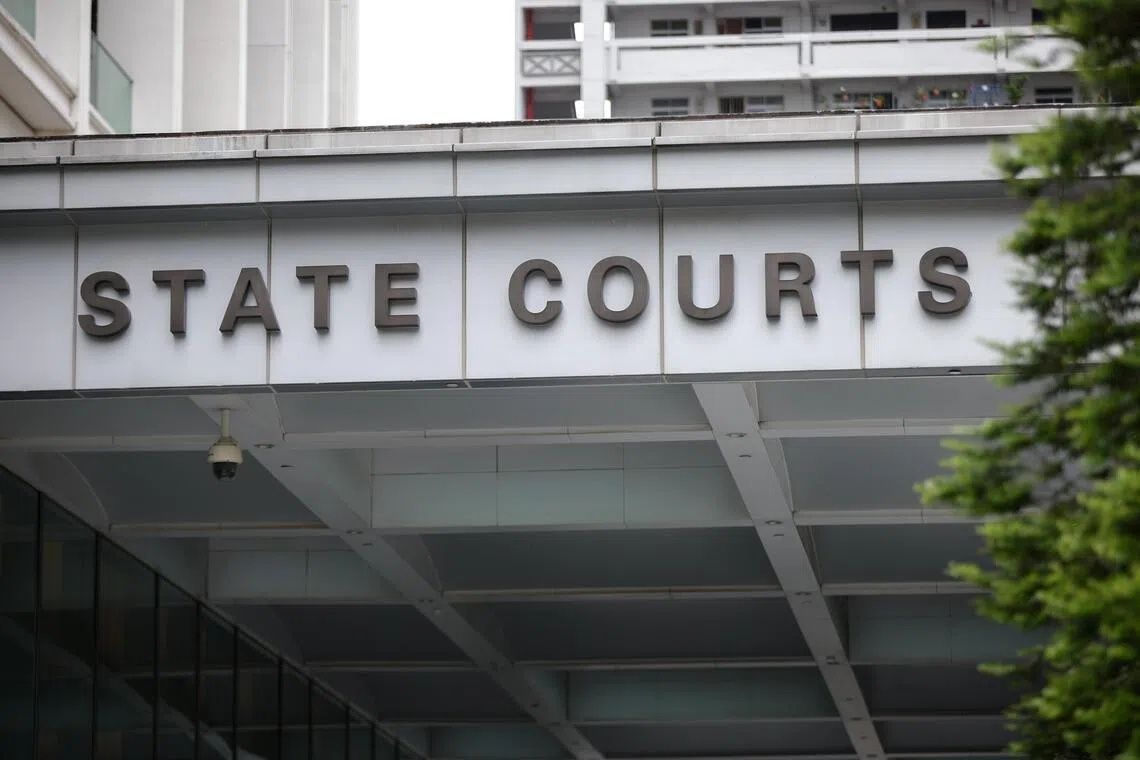
A Singapore court has handed down a significant prison sentence and corporal punishment in a landmark revenge porn case that underscores the enduring trauma inflicted by non-consensual intimate image sharing. The offender, now 27, received two years and eight months' imprisonment along with two strokes of the cane after pleading guilty to intentionally distributing explicit footage of his ex-girlfriend. He was also ordered to compensate the victim with SGD 4,000. The judgment, delivered on June 25, reflects judicial concern about the severe psychological and social consequences of such crimes, which can persist for years after the initial offence.
The case originated in 2016 when the pair, both students at a religious school, began a relationship when he was 17 and she was merely 15. During their time together, the victim—prompted by the accused—sent him intimate photographs and at least two explicit videos of herself. Their relationship lasted approximately two years until she ended it in 2018, citing his possessive and controlling behaviour. Upon the breakup, she responsibly deleted any intimate material she possessed of him and explicitly requested that he do the same. The offender claimed compliance but secretly retained the videos for personal gratification, a deception that would set the stage for years of subsequent harm.
More than three years after they had parted ways, in April 2021, the offender contacted his ex-girlfriend requesting reconciliation despite being in another relationship. When she refused and blocked his contact, his response revealed the depth of his resentment. Rather than accepting rejection, he devised a calculated scheme to destroy her reputation and inflict emotional damage. He fraudulently assumed her identity and uploaded her intimate videos to a massive social media group boasting nearly 80,000 members, which itself operated on a platform with millions of users. This action transformed a private matter into a public humiliation campaign, exposing deeply intimate content to a vast, unknown audience.
The victim's discovery of what had been done to her came through disturbing channels. Approximately a month after the videos were posted, she received an unsolicited Instagram message from a stranger who had seen her nude images and made sexual propositions toward her. When she inquired where he had obtained these images, he provided a direct link to the social media group containing her explicit content. The shocking realisation that her most private moments had been weaponised against her motivated her to take investigative action. She created a false online identity and infiltrated the group to understand the full extent of the damage. What she found was horrifying: the group contained numerous obscene photographs and videos of women in religious attire, and her own material was among these degrading posts.
The victim's decision to report the matter to police initiated a criminal investigation that culminated in the offender's arrest. During prosecution, Deputy Public Prosecutor Chong Kee En painted a compelling picture of the lasting devastation caused by the crime. Nearly five years after the initial offence, the victim remained trapped in its consequences. Her family relationships had deteriorated significantly—she became estranged from her mother, likely due to the shame and shock of discovering such material in circulation. Beyond familial rupture, the incident fundamentally altered her life trajectory and aspirations. She had previously harboured ambitions to become a religious teacher, a vocation aligned with her faith and values, but abandoned these plans out of fear that discovery of her leaked videos within her religious community would destroy her professional prospects and personal reputation.
The psychological toll extended into her personal relationships as well. The victim continued to receive unsolicited contact from individuals who had encountered her images online, creating an ongoing cycle of violation and harassment years after the initial distribution. These repeated intrusions prevented her from moving forward psychologically. The prosecution argued that such lingering consequences warranted a substantial custodial sentence of 30 to 36 months with three strokes of the cane, emphasising that revenge porn cases demanded serious penalties to deter similar conduct and to acknowledge the profound harm inflicted on victims.
The defence presented a starkly different narrative, with lawyer Sean Marican characterising the offence as an impulsive act committed in anger following rejection. He urged the court toward leniency, proposing a one-year prison sentence without caning and a compensation payment of just SGD 500. This stark divergence between prosecution and defence submissions highlighted the tension between accountability for premeditated malice and sympathy for youthful lapses in judgment. The judge, however, sided substantially with the prosecution's characterisation of the crime.
Principal District Judge Toh Han Li issued a judgment that clearly identified the offender's intent as fundamentally vengeful. The judge recognised that the accused had deliberately sought to harm and humiliate the victim by portraying her as promiscuous through the depiction of her in religious garb during sexual acts—a deliberate juxtaposition designed to amplify shame and social ostracism. The judgment further noted alarming evidence that the victim's material remained in active circulation, as she continued receiving propositions from unknown men who had accessed the leaked content nearly five years after the initial crime. This persistent circulation demonstrated that distribution of intimate images creates an essentially permanent digital record that resurfaces repeatedly.
The sentence handed down falls within the legal framework governing such offences in Singapore. The Criminal Code provides for imprisonment of up to five years, fines, caning, or combinations thereof for those convicted of distributing intimate recordings without consent. The judge's decision to impose two years and eight months—substantially less than the prosecution's request but far more than the defence proposal—suggested a balanced approach that acknowledged both the severity of the violation and the youth of the offender at the time of the initial relationship. The inclusion of two strokes of the cane signals judicial determination that punishment must extend beyond custodial terms to truly deter such behaviour.
This case carries significant implications for Malaysia and broader Southeast Asia, where social media penetration is extraordinarily high and revenge porn remains a pervasive but often underreported crime. The Singapore precedent demonstrates how courts are increasingly recognising the severe, multifaceted harms of non-consensual intimate image distribution—extending beyond immediate shame to encompass career sabotage, family rupture, and years of ongoing harassment. For Malaysian readers, the judgment underscores the importance of understanding that such crimes are not victimless pranks or minor transgressions but serious offences with profound consequences. It also highlights the technological reality that digital distribution renders images near-impossible to fully control or remove, making consent in creation an absolute prerequisite.
The case also illustrates how revenge porn often intersects with gender-based violence, religious intolerance, and abuse of power dynamics. The offender exploited a young woman's intimate trust, deliberately weaponised her faith against her, and used technological platforms to amplify humiliation across an enormous audience. The deliberate choice to depict her in religious garb while performing sexual acts reveals how such crimes frequently employ religious or cultural shaming as an intensification tactic. For women in Southeast Asian societies, where religious and cultural conservatism influences social attitudes toward female sexuality, such violations carry particularly devastating consequences for reputation and life opportunities.
Moving forward, this judgment may influence sentencing practices across the region and serves as a stark warning to potential offenders that courts take non-consensual intimate image distribution with appropriate gravity. It also validates the experiences of victims by recognising that trauma from such crimes does not expire on a convenient timeline but evolves and persists. For Malaysian advocates working on digital safety, gender-based violence, and technology law, the Singapore ruling provides persuasive authority that jurisdictions should strengthen protections against revenge porn and ensure that perpetrators face substantial consequences proportionate to the harm inflicted.

