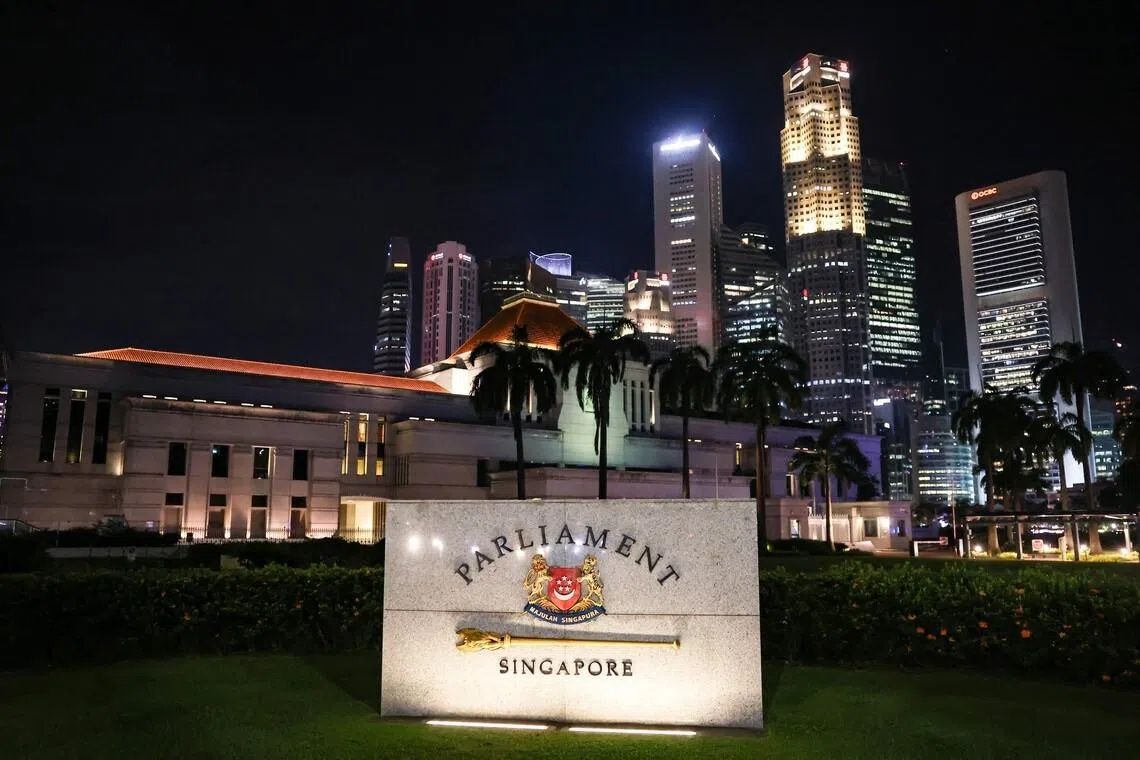
A 40-year-old Singaporean man has been arrested following a series of false bomb threats directed at prominent government facilities, underscoring growing concerns about security disruptions caused by malicious hoaxes. The suspect made two separate bomb notifications on July 3 and July 7, targeting the Home Team Science and Technology Agency headquarters at One North and Parliament House respectively, prompting intensive security responses and resource deployment across the island state.
The initial threat emerged when the HTX received an online form submission on July 3 claiming an explosive device had been planted within its One North facility. Four days later, on July 7, authorities received notification of an anonymous email sent directly to the Prime Minister's Office alleging a bomb had been positioned at Parliament House. The timing and coordinated nature of these incidents triggered immediate investigative action, with police mobilizing specialist units to examine both locations comprehensively.
Secondary investigation revealed no credible threats at either premises. Officers conducted exhaustive systematic sweeps of the Parliament House building and its surrounding grounds, as well as thorough examinations of the HTX facility, ultimately determining that no suspicious objects or security hazards existed. This discovery confirmed authorities' suspicions that the reports constituted deliberate fabrications rather than legitimate intelligence requiring emergency response.
Forensic analysis by detectives from the Criminal Investigation Department and Central Police Division subsequently established that both threats originated from a single perpetrator operating the same communication channels and methodology. This connection proved instrumental in accelerating investigative progress and narrowing the suspect pool. Officers arrested the individual on July 7, the same date the second threat materialized, preventing potential additional false notifications.
During the arrest, police seized multiple electronic devices suspected of facilitating the hoax communications. These gadgets have become critical evidence in the prosecution case, potentially revealing the suspect's digital footprints, motivation patterns, and any accomplices involved. Forensic examination of the devices is expected to provide substantive documentation of criminal intent and systematic planning.
The suspect faces charges under Singapore's legislation concerning false communication of harmful objects, a provision designed to deter malicious misrepresentation that endangers public safety through resource diversion and anxiety generation. Conviction carries potentially severe consequences including imprisonment not exceeding seven years, monetary penalties reaching S$50,000, or combination sentences. The severity of potential penalties reflects Singapore's stringent approach toward security-disrupting conduct that mimics genuine terrorist threats.
This incident exemplifies a troubling regional pattern of bomb hoaxes that undermine government institutional security frameworks and consume critical law enforcement manpower. Throughout Southeast Asia, similar cases have proliferated in recent years as individuals exploit communication technologies to generate panic, demonstrating how digital connectivity simultaneously increases terrorist threat vectors and false alarm proliferation. Malaysian authorities have similarly encountered escalating hoax bomb threats targeting transportation hubs and government offices, requiring comparable investigative mobilization and resource expenditure.
The implications for Singapore's security apparatus extend beyond immediate prosecutorial considerations. Each false threat necessitates deployment of bomb detection specialists, evacuation procedures, perimeter cordoning, and personnel diversion from routine protective duties. When Parliament House faces evacuation orders, legislators' schedules face disruption, administrative functions pause, and cascading operational delays ripple across government departments. Security agencies must treat every notification as potentially legitimate until definitively ruled otherwise, precluding discrimination between genuine threats and calculated deceptions.
From a Malaysian perspective, this case reinforces why regional security coordination remains essential. Singapore's efficient identification and rapid apprehension of the suspect demonstrates institutional capacity that contrasts with some Southeast Asian jurisdictions where hoax investigations languish indefinitely. Patterns of false threats, if shared across border authorities through intelligence channels, could reveal repeat offenders targeting multiple nations or coordinated networks exploiting regulatory gaps across different jurisdictions.
The psychological dimensions warrant consideration. Research into bomb hoax perpetrators reveals motivations ranging from attention-seeking through genuine threat confusion to deliberate destabilization campaigns. Some individuals exploit hoax mechanics to manufacture public disorder, while others seek to test institutional security responsiveness or manufacture personal notoriety. Understanding perpetrator psychology assists law enforcement in anticipating future incidents and developing targeted prevention strategies beyond conventional criminal prosecution.
Singapore's explicit public warning regarding false threat consequences underscores how security agencies attempt deterrence through transparent communication. By publicizing prosecutorial outcomes and sentencing severity, authorities signal that hoax perpetrators face meaningful consequences rather than minimal sanctions. This deterrence messaging becomes increasingly important as digital communication platforms reduce barriers toward anonymous threat submission, potentially emboldening would-be offenders who perceive consequences as negligible.
The seized electronic devices represent crucial investigative bridges between physical crime and digital perpetration. Forensic analysis can reveal communication patterns, research into bomb construction techniques, surveillance of target facilities, and chronological timelines illuminating premeditation levels. This technical evidence often proves more compelling than circumstantial testimony, particularly when suspects provide misleading statements or claim accidental notification.
Looking forward, this prosecution will likely establish precedential severity regarding false government threat notifications in Singapore's courts, potentially influencing sentencing guidelines across the region. If the defendant receives maximum or near-maximum penalties, similar hoax perpetrators throughout Southeast Asia will face increased deterrent pressure. Conversely, if sentences appear lenient relative to offense severity, such incidents may proliferate as calculated risks with manageable consequences.

