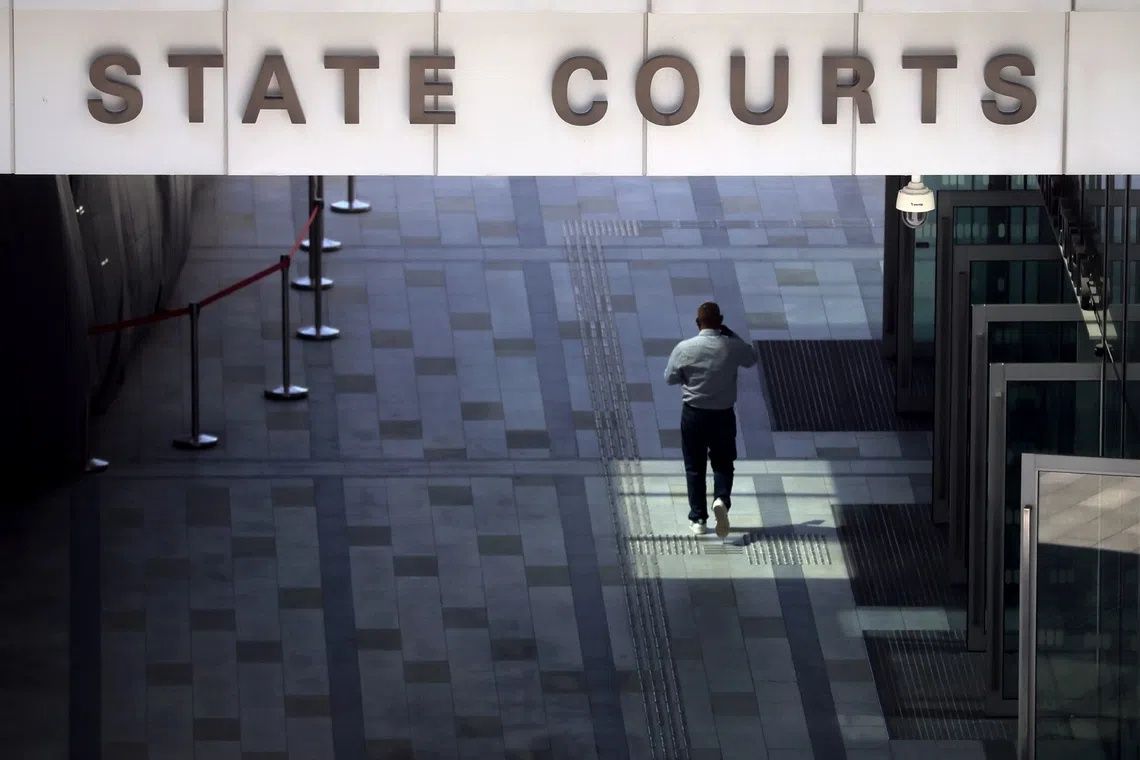
A Singapore father has been brought before the courts following allegations of child abuse in two separate incidents that authorities say occurred within a month of each other. The 40-year-old man faces two counts of ill-treating a child, with court proceedings initiated on Thursday, 6 August. Legal restrictions prevent the publication of his identity or those of his two children, reflecting the courts' concern for protecting minors in cases involving family violence.
The first alleged incident took place on the morning of 8 September 2025 within the confines of a public housing flat located on the eighth floor of a Housing and Development Board block. According to court documents, the man is accused of instructing his 10-year-old son to remove his clothing and subsequently use the lift to descend to the ground floor of the residential tower. The circumstances surrounding whether the child complied with this directive remain undisclosed in the available court records, leaving significant questions about what transpired during this troubling episode.
The second accusation relates to an encounter at Changi Airport Terminal 3 on 3 October the same year, occurring just before 6pm. In this instance, the man allegedly subjected his eight-year-old daughter to physical violence that investigators characterise as a sustained assault. The alleged attack involved slapping, punching, and pushing the young girl, resulting in visible injuries to her face and neck areas. The public nature of this location—one of Singapore's busiest transportation hubs—adds another dimension to these allegations, suggesting the incidents occurred in a relatively open setting where witnesses may have been present.
Child abuse cases in Singapore typically draw significant public attention due to the nation's strong emphasis on child protection and family welfare. The two separate allegations paint a concerning picture of escalating incidents within a short timeframe, though the court documents do not explain the circumstances or motivations behind either alleged act. Such contextual information would ordinarily assist in understanding the family dynamics and any potential triggers, yet authorities have withheld these details from public disclosure.
The use of a gag order in this case exemplifies Singapore's judicial approach to protecting minors involved in sensitive legal proceedings. This protective measure prevents identifying information from entering the public domain, which helps shield the children from potential stigma or further harm. However, it also limits public understanding of what occurred and may hamper broader awareness of child protection issues within society. Such restrictions are intended to prioritise the welfare and privacy of the vulnerable individuals at the centre of the case.
For Malaysian readers and those across Southeast Asia, this case underscores how child protection mechanisms operate within Singapore's legal framework. The swift charging of the accused and the presence of structured court procedures reflect Singapore's commitment to prosecuting child abuse allegations vigorously. In Malaysia, similar cases involving child ill-treatment fall under laws such as the Children Act 2001 and provisions within the Penal Code, though procedural approaches may differ from Singapore's jurisdiction.
The timing and nature of these allegations raise broader questions about family stress and potential warning signs in household environments. Child abuse specialists often identify escalation patterns where incidents become more frequent or severe over time. The fact that authorities moved to charge the man relatively quickly suggests they had gathered sufficient evidence from witnesses or other investigative sources to proceed with prosecution. Terminal 3 at Changi Airport, being a major public space, likely provided multiple potential witnesses to the alleged airport incident.
The next court mention is scheduled for 13 August, at which point further details may emerge regarding the charges, the evidence gathered, and the direction of proceedings. Singapore's courts typically handle such matters with considerable procedural rigour, and the prosecution will need to establish the case beyond reasonable doubt. The defence may present mitigation factors or alternative explanations, though the allegations as described represent serious breaches of child protection standards.
These allegations also highlight the importance of public reporting mechanisms and the role of bystanders in identifying child abuse. Incidents occurring in public spaces like airports increase the likelihood that staff, other passengers, or airport security personnel might observe concerning behaviour. In Singapore, the Child Protection Service and other agencies rely partly on community reporting to identify vulnerable children requiring intervention.
The case serves as a reminder that child abuse does not respect socioeconomic boundaries or occur solely within stereotypical circumstances. It can emerge in families across all demographic groups and in both private and public settings. For Malaysian families and those throughout the region, awareness of reporting mechanisms—such as Malaysia's Department of Social Welfare hotlines—remains crucial for protecting vulnerable children from harm.
As legal proceedings continue, the outcomes of this case may influence broader discussions about parental discipline, appropriate conduct in public spaces, and the threshold at which corrective measures cross into criminal abuse. Singapore's courts have previously addressed such nuances, establishing precedents about what constitutes unlawful ill-treatment of children. The determination of guilt or innocence in this case will rest upon the evidence presented at trial and the court's assessment of credibility and circumstances surrounding both incidents.

