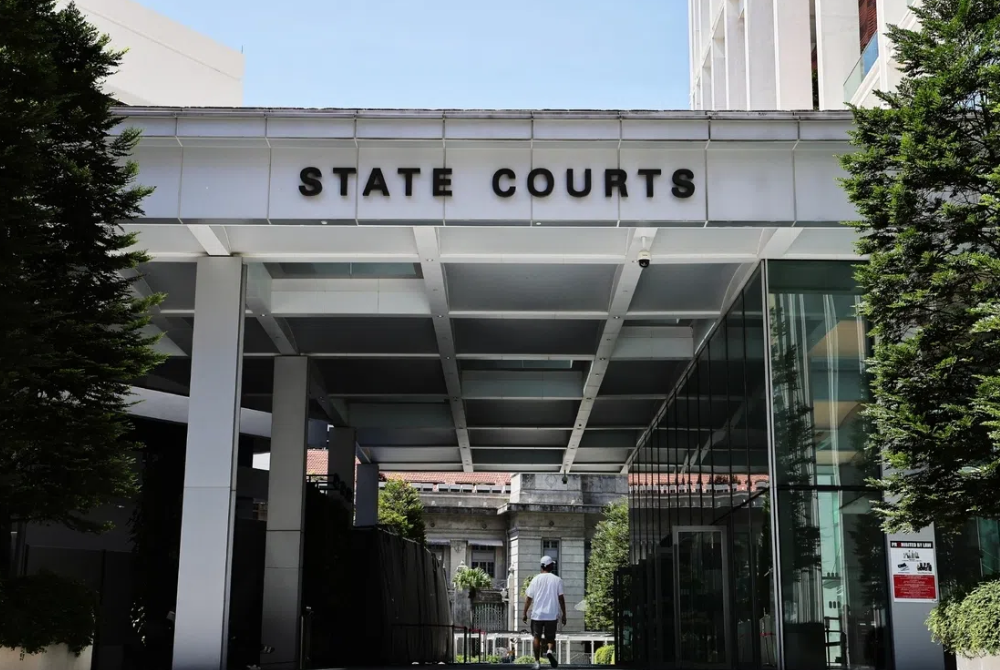
A 31-year-old Singaporean educator has been handed a sentence of nine years and 10 months in prison along with eight strokes of the cane for perpetrating sustained and severe abuse against primary school children entrusted to his care at a private educational facility. The gravity of the offences came into sharp focus during sentencing on August 21, when the court detailed the systematic violence, psychological cruelty, and degradation inflicted upon vulnerable victims aged between six and 11 during 2023.
The case reveals the horrifying depths of the abuse, particularly against a six-year-old boy from China who was subjected to an extended catalogue of torture. Among the litany of cruelties, the perpetrator forced the child to consume his own urine, struck him approximately 600 times using various implements, stomped on his back and buttocks at least 40 times, and confined him in a stress position for over 18 hours without rest. The physical toll was severe and potentially fatal: the boy suffered fractured ribs, kidney failure, and required nine days of dialysis treatment to stabilise his condition. Beyond these acute injuries, the offender deliberately withheld medical care for three days, driven by fear that hospital staff would alert authorities to the abuse.
The offender, whose identity remains protected by court order to shield the victims, pleaded guilty in July to charges encompassing child abuse, voluntarily causing grievous hurt, and providing false information to Singapore's Ministry of Manpower. District Judge John Ng characterised the documented facts as speaking unambiguously to the brutality of the perpetrator's conduct. The judge firmly rejected mitigation arguments centring on the offender's difficult childhood, which included an alcoholic father and a gangster older brother who had physically abused him. While acknowledging this troubled background, the court concluded that such experiences should have prompted precisely the opposite behaviour—protection rather than replication of violence against children dependent upon him.
The abuse began after the six-year-old victim was admitted to the facility in January 2023. The perpetrator established a pattern of punishment, forcing the boy to adopt stress positions for extended periods, striking him with hangers, restricting his diet to bread and water, and confining him to sleep in toilets. A particularly disturbing incident on March 9, 2023, exemplified the calculated cruelty: the offender instructed the boy to maintain a push-up position while studying English. What commenced as a routine punishment evolved into torture spanning more than 18 hours, with the child remaining in the stress position from 3.45pm until the following morning whilst watching other students eat dinner.
During this ordeal, the perpetrator inflicted multiple assaults. At 1.15am, he punched and stomped on the exhausted child. Between 2am and 7am, he placed a chair upon the boy's back and sat on it, compounding the physical strain. When the victim required toileting whilst still in the stress position, the offender forced him to urinate into a basin and subsequently made him drink the urine when he expressed thirst. The following morning, the perpetrator made a calculated telephone call to the boy's father seeking permission to discipline the child—a request framed in neutral language that concealed the brutality already inflicted.
The systematic nature of the abuse deepened throughout March 10, 2023. The offender prevented the weakened boy from attending school and continued assaulting him with clothes hangers and his bare hands with such violence that one hanger fractured during the assault. Undeterred by the implement's breakage, the perpetrator continued striking the child with the shattered hanger. The abuse persisted until the boy became physically incapacitated. Evening found the victim too debilitated to stand; the offender then transported him to the toilet and sprayed water over him, an act of degradation compounding the accumulated trauma.
The employment context heightens the case's troubling dimensions. The perpetrator's aunt operated the educational facility, which provided residential accommodation for students and management consultancy services relating to foreign student sponsorship. Remarkably, the individual charged with supervising children was hired as a manager in 2016 despite possessing no teaching credentials, childcare qualifications, or demonstrated fitness for working with young people. He instructed primary school pupils in academic subjects, supervised homework, and held complete responsibility for residential pupils—roles demanding the highest standards of care and safeguarding.
Deputy public prosecutors Timotheus Koh and Cheronne Lim presented evidence of systematic betrayal of trust. They argued that the offender weaponised his position of authority to subject children to extreme violence, with the six-year-old experiencing the most severe cruelty. Prosecutors outlined how the victim was denied food whilst forced to study, humiliated through bodily degradation, struck repeatedly with implements, assaulted physically through stomping and kicking, and placed in stress positions exceeding normal human endurance. The prosecutors emphasised that the perpetrator's deliberate withholding of medical intervention for three days—motivated by self-preservation rather than concern for his victim—transformed recoverable injuries into life-threatening conditions requiring dialysis.
The sentencing underscores persistent vulnerabilities within Singapore's childcare sector. The case demonstrates how educational facilities housing vulnerable foreign children may operate with insufficient regulatory oversight, enabling individuals without appropriate qualifications to assume supervisory positions. The victim's status as a foreign national possibly contributed to his inability to seek help or alert family members to the escalating abuse. His complete isolation within the facility, combined with the perpetrator's authority and the complicit silence maintained through manipulation of parental contact, created conditions enabling the sustained campaign of torture.
During the courtroom proceedings, the perpetrator maintained a downcast demeanour, occasionally glancing toward family members present in the courtroom. The judge refused his request to defer sentencing by one week to attend prayers, prioritising the finality demanded by the case's severity. The perpetrator was permitted a final conversation with family members before being taken into custody. The case, though resolved through conviction and substantial incarceration, raises urgent questions about protective mechanisms for residential students in private educational facilities and the necessity for enhanced vetting procedures for personnel with childcare responsibilities across Southeast Asian jurisdictions where similar arrangements exist.

