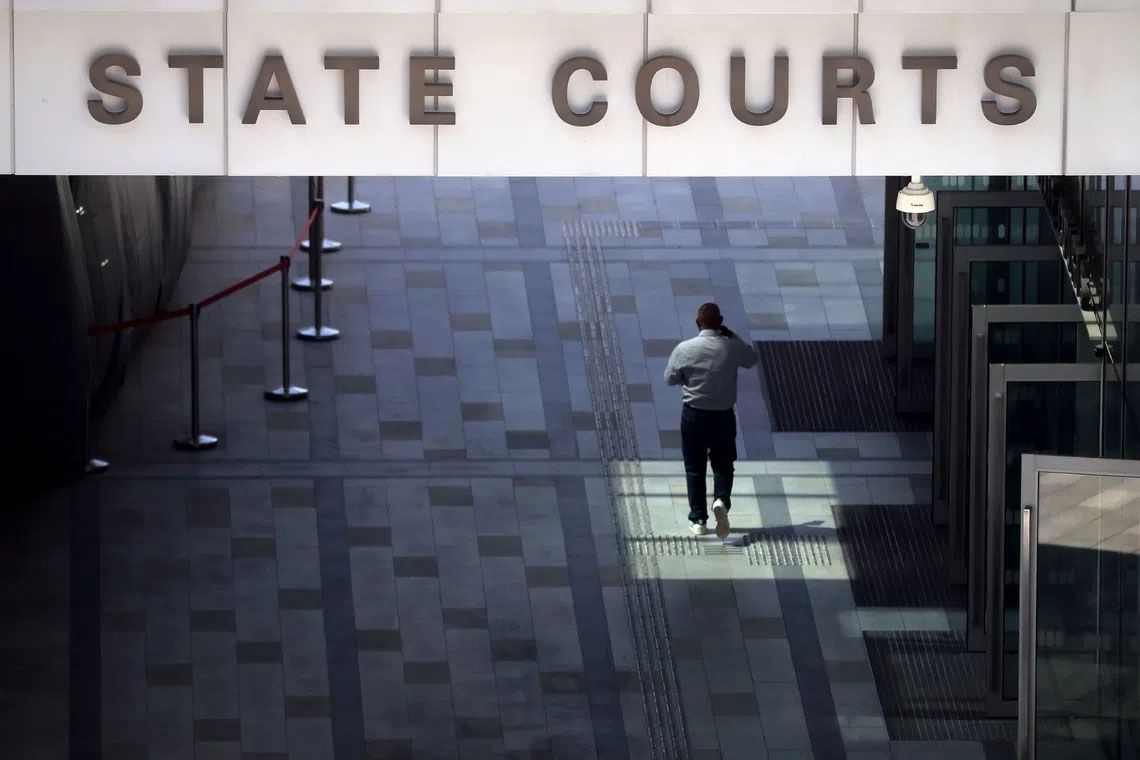
Two teenagers in Singapore met through encrypted messaging and decided to experiment with methamphetamine in the early hours of January 31, 2025, a decision that would cost both their lives within hours. State Coroner Adam Nakhoda released findings on July 15 confirming that the pair had fatal concentrations of the drug in their bodies, with their deaths occurring after they engaged in home drug manufacturing and consumption in a residential setting on the island nation.
Identity protection orders prevent disclosure of the teenagers' names, ages, and addresses, reflecting Singapore's approach to juvenile cases. However, court proceedings revealed that the two had begun communicating through the encrypted messaging platform Telegram just two days before their deaths on January 29, 2025. The coroner's investigation found no evidence of a romantic relationship between them, and the circumstances of how they became acquainted remain unclear from available records.
The pair's initial drug plans centred on cannabis. The male teenager mentioned to the female that he had previously consumed Kpods, a form of designer drug, while she disclosed prior experience with Ecstasy. They discussed smoking marijuana together, with the male promising to obtain it from an acquaintance. When those plans fell through due to inability to secure the substance, the conversation shifted dramatically in tone and direction.
On the evening of January 30, the male attended a Chinese New Year gathering at a friend's residence but departed between 10 and 11 pm to return home. Shortly before 3 am on January 31, he messaged the female that he had gambled away significant sums of money. Moments later, he casually proposed methamphetamine use, to which she responded by saying she would research the drug online. The speed with which the conversation escalated from discussing cannabis to proposing a controlled substance highlights how impulsive decisions can be made in late-night messaging exchanges among teenagers.
While the female waited for her parents to fall asleep, the male took four empty pill capsules and filled them with methamphetamine powder, essentially manufacturing his own tablets for consumption. At approximately 4:40 am, the female notified him she was leaving her house. The male arranged a private-hire vehicle for her, and she arrived at his residence around 5:15 am. They proceeded directly to his bedroom, where the evening's activities would unfold.
At 5:30 am, the male's domestic helper, whose room was directly beneath his, reported hearing the sound of chairs being dragged across the floor above. Later that afternoon, when the male's brother returned home around 2 pm, he noticed women's shoes placed outside the residence. Observing intimate indicators in the bedroom, he tactfully withdrew to avoid intruding on what he believed was a consensual encounter. When he returned at 3:30 pm and found the shoes still in place, concern prompted him to check the bedroom.
By 4:45 pm, the brother discovered the male lying unconscious on the floor wearing only underwear, his body displaying a darkened appearance and registering as cold. Emergency services were immediately contacted. The brother's other sibling began administering cardiopulmonary resuscitation while a helper investigated sounds emanating from the toilet. There they found the female sitting on the bathroom floor, unclothed and unresponsive to their attempts at communication. When paramedics arrived at 5 pm, the male was pronounced dead at 5:01 pm. The female, showing dangerously low blood pressure and visible bruising, was transported to Changi General Hospital where she remained on life support before succumbing at 10:45 pm.
Police officers investigating the scene recovered two small storage bags containing white powder positioned on a poker table, alongside a blister pack with four pills missing. A digital weighing scale and the female's handbag were also present, suggesting deliberate preparation and dosing. Forensic examination of the male's mobile phone revealed video footage showing both teenagers inhaling methamphetamine vapours while exhibiting signs of mania, capturing the final moments before their conditions deteriorated irreversibly.
The coroner attributed the male's blunt force injuries to falls or collisions with bedroom furniture, attributing these injuries to the drug's neurological effects that impaired motor coordination and spatial awareness. The combination of self-manufactured pills and inhalation created a potent exposure that overwhelmed both teenagers' systems. The case underscores how accessible drug manufacturing has become through online information and how rapidly experimentation can escalate among adolescents, particularly when conducted in private residences where supervision is absent.
For Southeast Asian policymakers and parents, the case illustrates vulnerabilities in substance abuse prevention. The teenagers' journey from initial cannabis discussion to fatal methamphetamine use occurred within hours, demonstrating how youth rationalise increasingly dangerous decisions when peer pressure and impulsive communication converge. The use of encrypted messaging platforms, while legitimate for privacy, also facilitates arrangements that might otherwise face practical obstacles or parental intervention. Singapore's investigation represents a sobering reminder of methamphetamine's lethality, particularly among inexperienced users unfamiliar with appropriate dosing or the drug's cardiovascular impacts.

