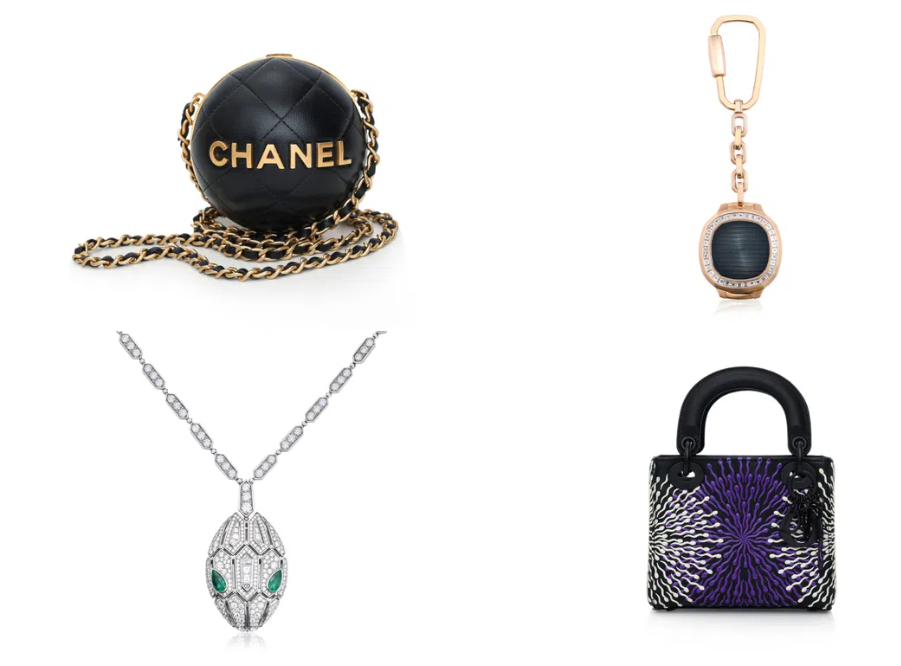
Singapore is preparing to liquidate a vast haul of luxury goods confiscated during the nation's largest money laundering investigation, with professional services firm Deloitte announcing plans to conduct a series of online auctions beginning next month. The seized assets—including designer handbags, fine jewellery, timepieces and real estate—stem from the S$3 billion probe that led to the arrest and conviction of 10 foreign nationals in August 2023. The systematic disposal marks a significant milestone in one of Singapore's most consequential financial crimes investigations, with Deloitte managing the complex logistics of marketing and selling items to a global audience.
The inaugural phase of the auction process will launch on September 7, 2026, with two separate sales focused on jewellery and handbags. Hotlotz, a Singapore-based auction house known for handling high-profile collections, will orchestrate 15 successive auctions spanning from September 2026 through May 2027, collectively presenting over 1,000 items to potential bidders worldwide. The first two sales will remain open for online bidding for two weeks, opening at 10am Singapore time on September 7 and closing at 4pm on September 20, with detailed digital catalogues published simultaneously on the auction platform. This extended bidding window is designed to accommodate international participants across multiple time zones while maintaining auction transparency.
The inaugural handbag collection comprises more than 300 luxury accessories from prestigious European and Italian designers including Chanel, Louis Vuitton and Christian Dior, reflecting the sophisticated tastes of the money laundering network. Complementing this offering, over 250 pieces of fine jewellery from renowned houses such as Graff, Bulgari and Van Cleef & Arpels will be presented alongside the bags. Subsequent auction tranches, expected to commence in November 2026, will introduce additional asset categories including Hermes handbags and premium timepieces from manufacturers such as Patek Philippe, Richard Mille and Rolex—brands that typically command significant valuations among collectors and investors.
To participate in the auctions, interested buyers must complete online registration with mandatory identity verification procedures for each sale, a requirement reflecting Singapore's commitment to maintaining rigorous standards around high-value asset transfers. Physical viewings of the confiscated items will be conducted by appointment at Le Freeport, a maximum-security private vault facility located in Changi, requiring prospective bidders to book viewing slots through Hotlotz's digital platform. This appointment-based system ensures controlled access to the collection while minimising security risks associated with displaying large quantities of luxury goods. The transparent cataloguing and public accessibility of the sales process underscore the authorities' determination to achieve fair market value for each asset while maintaining procedural integrity.
Beyond the smaller luxury items, Deloitte is coordinating the sale of more than 80 properties through established Singapore real estate firms including SRI, Edmund Tie & Company (SEA) and Knight Frank. The property liquidation strategy incorporates multiple sales mechanisms, with certain premium properties being offered through an expression of interest process via List International Realty rather than traditional open auctions. This differentiated approach recognises that high-value commercial and residential properties often require tailored marketing strategies and direct negotiation with qualified institutional or individual purchasers, particularly when such sales might involve sensitive commercial considerations.
The magnitude of the seized asset base underscores the scale of the underlying criminal network. Police have confirmed that approximately S$1.25 billion in non-cash assets were confiscated or placed under state control during the investigation, encompassing not only the luxury goods scheduled for auction but also 77 vehicles, multiple artworks, gold bars totalling 68 units, and cryptocurrency holdings valued at over S$38 million. The confiscations followed the islandwide enforcement operation on August 15, 2023, which resulted in the immediate arrest of the 10 foreign nationals who have since been prosecuted, convicted and deported from Singapore. In January 2024, authorities had disclosed that the investigation had led to the confiscation of 207 properties, S$1.45 billion in seized bank accounts and S$76 million in cash denominated in various currencies.
The financial recovery process has already yielded substantial results, with Singapore police confirming that S$1.4 billion comprising seized bank balances and proceeds from earlier asset liquidations have been paid into the Consolidated Fund as of the close of the 2025 financial year. This direct transfer of recovered funds to the state treasury represents a significant recovery of public resources, though the completion of the auction process will substantially increase total repatriated assets. The ongoing liquidation strategy reflects a deliberate enforcement approach whereby the state progressively converts seized assets into liquid funds, ensuring that criminal proceeds are systematically recovered and returned to legitimate public use rather than remaining frozen in perpetuity.
Deloitte's Justin Lim, a restructuring partner leading the asset realisation effort, stated that alongside the scheduled auctions, the firm may employ alternative sales mechanisms including limited tender and direct selling for specific assets where such approaches might yield superior results. This flexibility acknowledges that different asset categories and market conditions may warrant tailored disposal strategies. The professional services firm's multi-channel approach aims to maximise recovery value across diverse asset types, balancing the goal of rapid liquidation with the imperative to achieve competitive pricing for each confiscated item. For potential international bidders, the auction format offers a legitimate and transparent pathway to acquire luxury goods while contributing to the recovery of criminal proceeds.
Hotlotz chief executive Matthew Elton emphasised the auction house's commitment to executing the sales with institutional integrity, highlighting the professional cataloguing of every item and comprehensive promotional efforts designed to ensure fair market valuations. The public nature of the auctions, coupled with global promotional reach and transparent bidding procedures, creates competitive market conditions that should prevent artificially depressed prices that might result from private liquidation arrangements. Deloitte has explicitly cautioned members of the public to participate only through officially sanctioned auctions and sales processes managed by the appointed agencies, warning against unlicensed intermediaries that might attempt to facilitate asset transfers outside the formal recovery framework.
For Malaysian and broader Southeast Asian observers, the Singapore case demonstrates the sophisticated mechanisms through which cross-border money laundering networks operate and the substantial asset bases they accumulate through illicit activities. The liquidation process unfolding over the coming months will provide transparency into the types and values of luxury assets that attract criminal capital, offering insights into transnational financial crime patterns. The systematic recovery and public auction of confiscated assets also reflects Singapore's institutional capacity to manage complex financial investigations and follow through on asset recovery with rigorous forensic accounting and professional asset management—a capability that regional authorities increasingly recognise as essential for combating sophisticated financial crimes within the Southeast Asian financial ecosystem.

