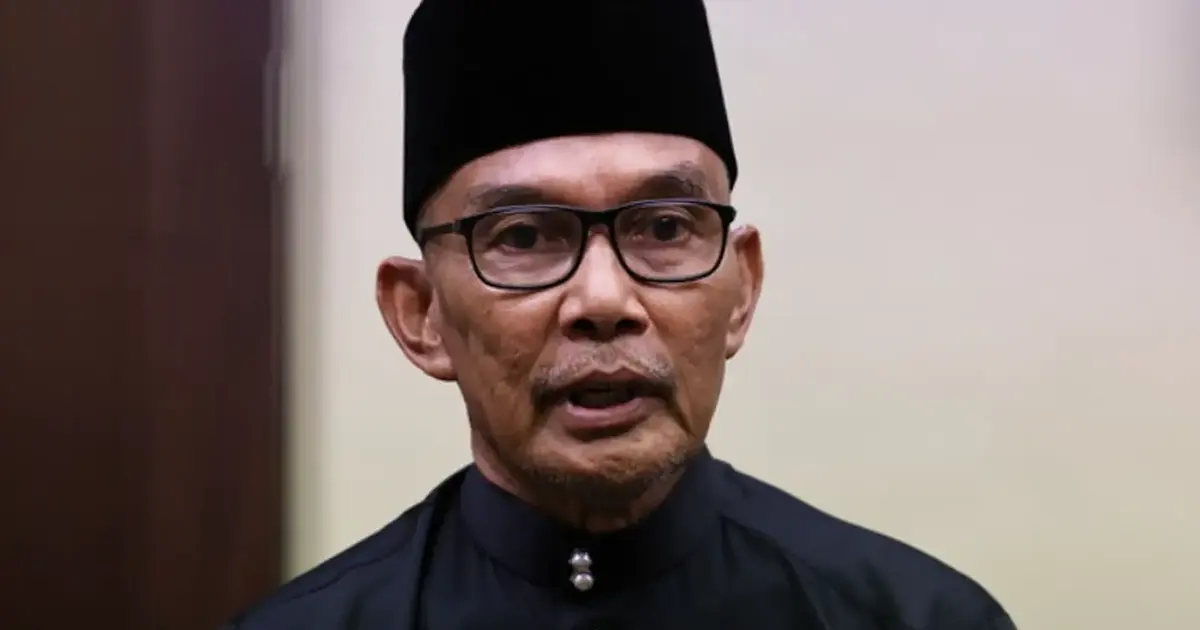
Former Perlis menteri besar Shukri has moved to quell internal tensions within PAS by publicly denying he orchestrated or encouraged party members to abstain from official functions or undermine the party machinery, even as he acknowledged the emotional wound left by his exit from the top state position.
The denial comes amid mounting speculation within PAS circles that Shukri's departure has created a factional divide that could weaken the party's organisational coherence in Perlis, traditionally one of its strongholds. Shukri's willingness to address the allegations head-on suggests party leadership recognises the potential damage such a rift could inflict at a time when PAS is navigating complex federal and state-level political arrangements across Malaysia.
The timing of Shukri's statement carries particular significance given PAS's broader political positioning. The party has been balancing its role in the Perikatan Nasional coalition while managing its own internal dynamics in states where it holds executive power. Any suggestion of internal discord in Perlis could undermine PAS's ability to project unity and strength in negotiations with coalition partners or rival political forces seeking to exploit divisions within Islamist-leaning parties.
While Shukri has maintained his composure publicly, his acknowledgement that he remains emotionally affected by the circumstances of his removal provides a window into the personal dimension of the dispute. State-level political transitions in Malaysia often generate deep personal grievances, particularly when senior figures are displaced before their perceived natural tenure has concluded. The recognition that hurt remains, even if channelled constructively, reflects the reality that high-level political removals rarely occur without lasting interpersonal consequences.
The careful distinction Shukri draws between his personal feelings and his actions carries political weight. By separating sentiment from conduct, he attempts to prevent his ouster from becoming a rallying point for disaffected members who might otherwise use his displacement as justification for passive resistance or non-cooperation. This rhetorical strategy is common among ousted leaders seeking to maintain relevance and influence within their party structure without appearing to challenge the current dispensation directly.
PAS's interest in managing this narrative reflects broader concerns about party cohesion in Malaysian politics. Unlike some competing parties, PAS has long positioned itself as disciplined and ideologically unified, an attribute it leverages in appeals to conservative constituencies. Public acknowledgement of internal discord—whether substantiated or merely alleged—can damage this carefully cultivated image and provide ammunition to political opponents seeking to portray PAS as fractious or poorly managed.
The implications for Perlis politics specifically merit careful attention. As a state where PAS maintains substantial grassroots presence and institutional control, any weakening of party machinery could create openings for rival coalitions to challenge PAS dominance in future electoral contests. The state's political equilibrium has depended partly on PAS's organisational capacity and member loyalty. A situation where former senior figures harbour resentment, even if they refrain from overt opposition, could subtly corrode the mobilisation capacity that has sustained PAS's electoral performance in Perlis.
Shukri's position also illuminates the broader challenge facing party leaders when managing transitions of power. The removal of a sitting menteri besar, particularly one with established support within party structures and among constituents, requires delicate handling to prevent festering grievances from metastasising into organised factionalism. PAS's public acceptance of Shukri's denials, if forthcoming, would suggest the party is satisfied with his commitment to avoiding open revolt, even if his personal unhappiness with the outcome persists.
The political landscape in Perlis has undergone significant shifts in recent years, with PAS navigating its role within coalition governments while managing internal succession dynamics. Shukri's situation, while specific to his individual case, represents a microcosm of tensions that Islamic-based parties throughout Malaysia face when reconciling ideological cohesion with factional competition for leadership positions and access to state resources. How PAS manages this situation could influence how other party divisions address similar leadership transitions in the future.
For observers monitoring Malaysian politics more broadly, this episode highlights the persistent challenge of party governance in systems where personal relationships and factional alignments often matter as much as formal institutional structures. The strength of Shukri's denial, and whether it gains traction within PAS, will ultimately depend less on the words themselves and more on whether party members sense genuine acceptance of the transition or detect underlying tensions that could erupt at moments of perceived organisational vulnerability.
Moving forward, PAS's leadership will need to ensure that Shukri's transition does not become a flashpoint for broader grievances within the party. The risk is not necessarily that Shukri will actively undermine current arrangements, but that his visible unhappiness might embolden others within the party to question decisions made at higher levels or to withhold full cooperation from successor leadership. In Malaysian political culture, such silent resistance can be as damaging as open rebellion to party cohesion and electoral performance.

