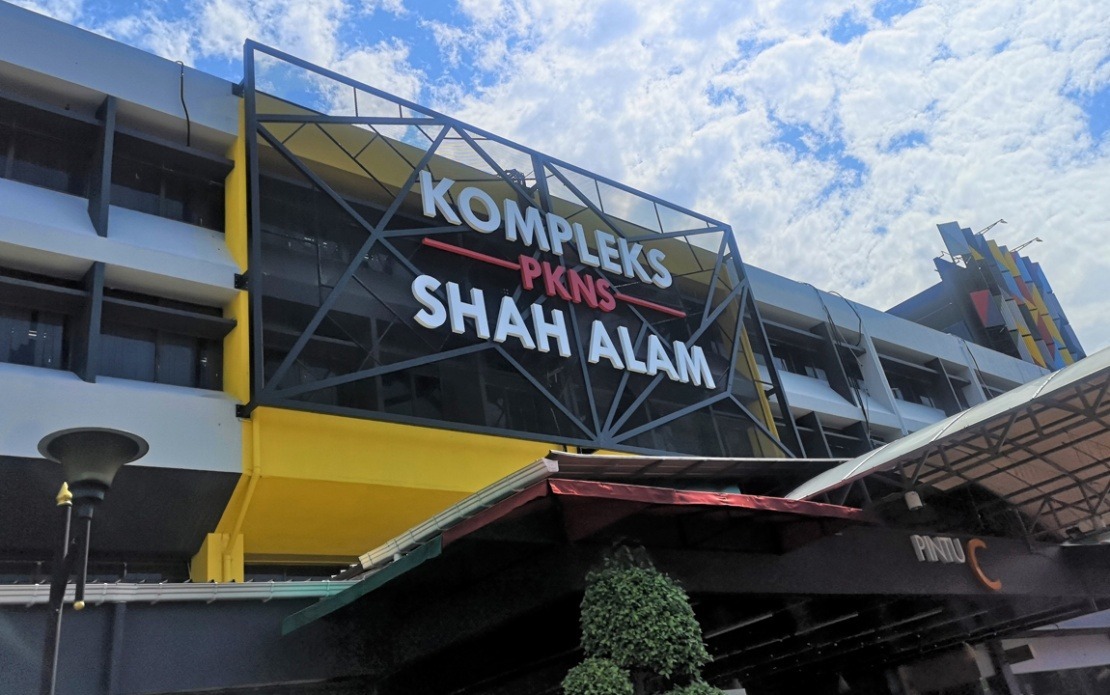
The Shah Alam PKNS Complex has resumed normal business operations after the Selangor State Development Corporation verified that all required safety procedures and inspections were satisfactorily completed. The facility, which experienced a fire on the afternoon of July 2, reopened to visitors, tenants and workers the following day once comprehensive checks had been conducted to ensure continued structural integrity and the proper functioning of critical building systems.
Initial assessments by the complex's in-house facility management personnel identified the Air Cooled Package Unit (ACPU) panel within an Air Handling Unit (AHU) chamber on the first floor as the probable point of ignition. This preliminary finding provides valuable insight into how the fire originated, though investigators from the Selangor Fire and Rescue Department are continuing their detailed examination to establish the exact sequence of events and any contributing factors that may have led to the malfunction of this mechanical component.
When the fire broke out, management immediately activated established emergency protocols designed to protect the thousands of people working in and visiting the complex daily. Building operators issued an evacuation announcement through the public address system, focusing initially on Phase 1 of the structure to move occupants away from potential danger. As an additional safety measure, electrical supply and air-conditioning services in the affected zone were deliberately disconnected to prevent any escalation while fire-suppression efforts were underway.
The swift response of the Selangor Fire and Rescue Department proved instrumental in preventing what could have developed into a more serious incident. Firefighting crews arrived promptly and brought the flames under control within a brief timeframe, demonstrating the effectiveness of rapid mobilization and coordinated emergency response. Their intervention successfully confined the fire to its point of origin and prevented it from propagating through ventilation systems or structural gaps to other sections of the multi-storey building.
According to Ashrul Riezal Asbar, the Assistant Director of Operations for the Selangor Fire and Rescue Department, no individuals sustained injuries during the incident despite the presence of numerous building occupants at the time. This fortunate outcome underscores both the effectiveness of the evacuation procedures and the timeliness of emergency services' arrival and response actions.
The PKNS Complex incident highlights the critical importance of regular maintenance and inspection of mechanical systems in large commercial facilities, particularly air-handling equipment that operates continuously to maintain indoor environmental conditions. Such systems, while essential for occupant comfort, can pose fire risks if components deteriorate, malfunction, or experience electrical faults. The incident serves as a reminder for facility managers across Malaysia's commercial real estate sector to prioritize preventive maintenance schedules and ensure that electrical components within HVAC systems are properly monitored.
For businesses operating within the Shah Alam PKNS Complex, the brief operational interruption underscores the importance of having business continuity plans that account for temporary facility disruptions. While the reopening occurred swiftly, tenants with critical operations may face pressures to establish contingency arrangements, backup systems, or alternative workspace options to mitigate the impact of future incidents, however unlikely they may be.
The Selangor State Development Corporation's management of the situation reflects established protocols for handling emergencies in state-owned commercial properties. The corporation's coordination with emergency services, completion of safety verifications, and timely reopening demonstrate organizational readiness. However, the incident will likely prompt a comprehensive review of preventive maintenance programs and fire-safety systems throughout PKNS-managed properties across Selangor to identify any similar vulnerabilities in other facilities.
From a regulatory perspective, this incident will be closely examined by building inspectors and fire safety officials to determine whether existing codes and standards for commercial facilities adequately address risks posed by HVAC system malfunctions. The findings may influence future amendments to building regulations and inspection requirements for air-handling equipment in high-occupancy structures throughout Malaysia.
The PKNS Complex situation also carries implications for Selangor's broader commercial real estate market. As one of the state's significant commercial hubs, any disruption to operations can affect businesses, employees, and consumers. The quick resolution and clear communication from authorities help maintain confidence in the facility's safety, though some tenants or clients may request additional documentation of safety improvements or enhanced monitoring protocols before fully resuming normal activities.

