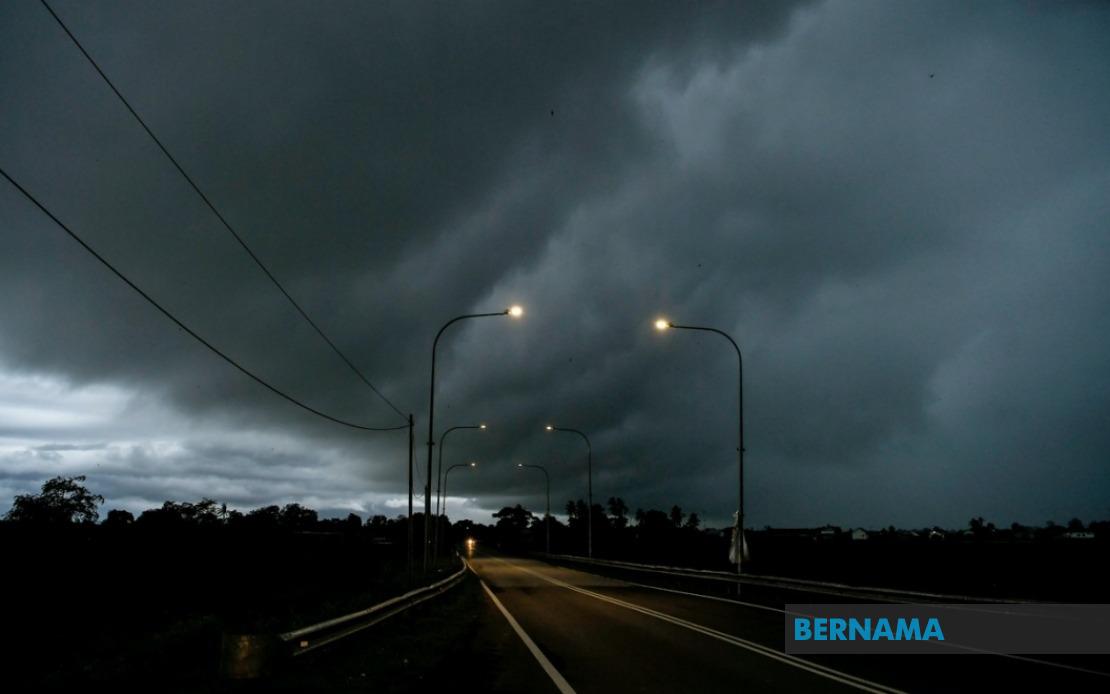
The Malaysian Meteorological Department has put seven states on alert for severe thunderstorms, torrential downpours, and dangerous wind conditions expected to persist until 9 pm on July 8. The nationwide warning underscores the unpredictable and volatile weather patterns that frequently sweep across Malaysia's regions during the monsoon transition periods, requiring residents and authorities to remain vigilant and prepared for potential flooding and disruptions.
In Peninsular Malaysia, the department identified multiple districts spanning three major states as flash points for hazardous weather. Perak residents in Larut, Matang, Selama, Kuala Kangsar, and Kinta face the highest risk, whilst Kelantan's communities in Jeli, Kuala Krai, and Gua Musang have also been flagged for severe conditions. Additionally, Kemaman in Terengganu and the Pahang districts of Lipis and Jerantut are in the danger zone, alongside three important areas in Johor—Kulai, Kota Tinggi, and Johor Bahru—which collectively house millions of residents and represent critical economic hubs for the nation.
For Sarawak, the alert extends across the state's major population zones and commercial centres. Kuching and Samarahan, the state capital and surrounding areas where most of Sarawak's population is concentrated, face imminent severe weather. The warning similarly covers Kanowit in the Sibu division, a historically flood-prone region, as well as Tatau and Sebauh in the Bintulu division, areas dependent on agriculture and natural resources. Lawas in Limbang, situated in the state's northeastern corner near the Brunei border, completes the Sarawak coverage, ensuring no major population centre is left without meteorological guidance.
Sabah's vulnerable zones cluster around two distinct regions. Sipitang in the Interior division, a remote area serving as a gateway to the state's inland communities, faces the immediate threat of severe convective weather. The Sandakan division experiences even broader exposure, with alerts covering Telupid, Kinabatangan, Beluran, and Sandakan itself—a sequence of districts spanning the eastern coastline where rapid rainfall accumulation poses acute flooding risks to both urban and rural settlements.
The specificity of MetMalaysia's geographic designations reflects sophisticated weather monitoring and modelling capabilities developed over decades. The department's precision in identifying affected districts, rather than issuing blanket state-wide warnings, allows local authorities and residents to calibrate their preparedness measures appropriately. This targeted approach has become essential as Malaysia's rapid urbanisation concentrates populations in vulnerable areas that demand differentiated risk communication.
Thunderstorms accompanied by heavy precipitation represent one of Malaysia's most recurrent and destructive weather phenomena, particularly during monsoon seasons and inter-monsoon periods. Strong winds associated with these systems create compound hazards—tree falls, structural damage, and cascading power disruptions amplify the direct impacts of rainfall. For infrastructure-dependent communities and businesses, even brief but intense storms can trigger significant economic losses and safety emergencies.
The 9 pm deadline provides residents and authorities with a clear temporal framework for protective actions. Commuters planning evening travel should monitor road conditions and flood alerts issued by local councils and emergency services. Businesses operating in affected areas may need to implement contingency plans, whilst households should secure loose outdoor items and avoid unnecessary exposure during peak storm activity. The relatively short time window—from afternoon through early evening—concentrates risk but also suggests the meteorological systems are expected to move through or dissipate relatively quickly.
For Malaysian policymakers overseeing disaster management and urban planning, such recurring weather alerts underscore the importance of sustained investment in drainage infrastructure, early warning systems, and community preparedness education. The states and districts identified in this alert have collectively experienced significant flooding incidents in recent years, demonstrating that climate patterns increasingly favour more intense precipitation events concentrated in shorter periods. Building resilience through improved stormwater management and coordinated emergency response capabilities remains a critical policy imperative.
The pattern of affected areas suggests atmospheric instability concentrated along Malaysia's peninsula's eastern flank and extending into East Malaysia's coastal and interior zones. This distribution indicates particular atmospheric configurations—possibly associated with convergence zones or localised heating patterns—that favour convective development in these regions. Understanding these spatial patterns helps researchers and forecasters refine prediction models and contributes to long-term climate and weather trend analysis essential for national planning.
Residents in the warned districts should remain alert to official updates from MetMalaysia and their respective state meteorological offices, as conditions can evolve rapidly. Local emergency management agencies typically activate response protocols during such alerts, positioning resources to address flooding, rescue operations, and infrastructure protection. Public cooperation in following official guidance and avoiding unnecessary exposure to hazardous conditions significantly enhances community safety outcomes during severe weather events.
The cumulative effect of repeated severe weather episodes across Malaysia's multiple states highlights a broader trend towards more volatile and energetic atmospheric systems. Whilst individual storms are transient, their increasing frequency and intensity patterns create compounding stresses on infrastructure, agriculture, and public services. This particular alert, though limited to several hours, exemplifies the ongoing meteorological challenges that shape daily life across Malaysia and demand sustained attention to adaptation and resilience building.

