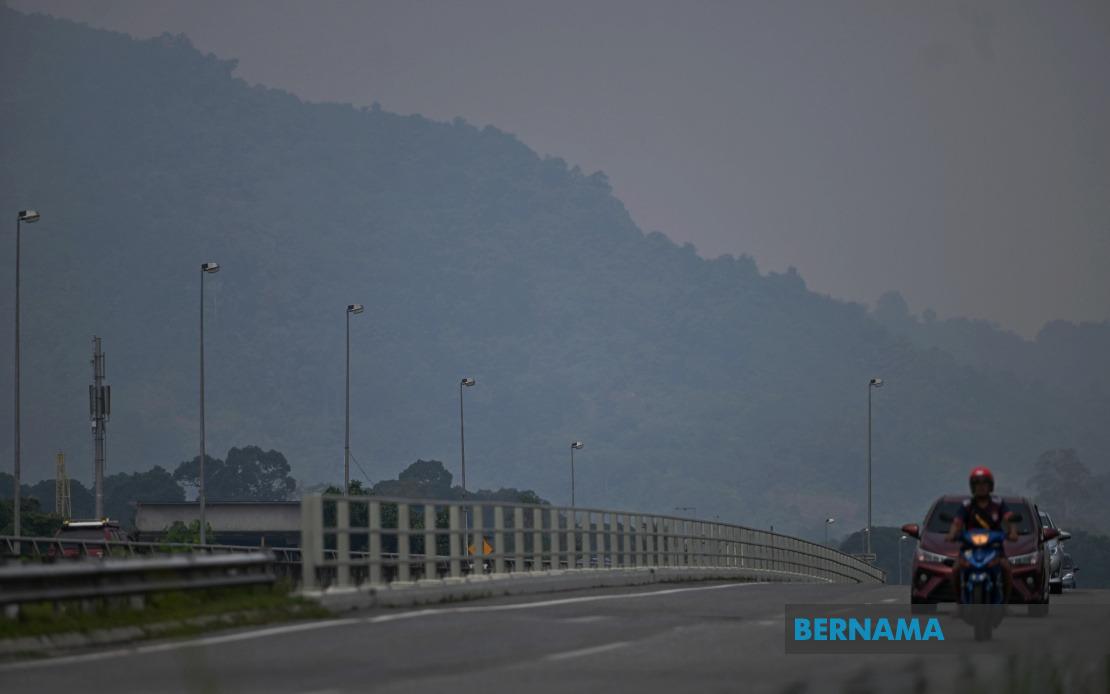
Air quality in Sarawak plummeted sharply on August 21 as transboundary haze from neighbouring Kalimantan blanketed the state, with the town of Serian experiencing the worst conditions nationally. The Air Pollution Index reading at the Serian monitoring station reached 227 in the afternoon, crossing firmly into the "very unhealthy" category and triggering immediate health warnings from authorities. This alarming spike reflected the rapid deterioration spreading across the state, with nine additional locations recording unhealthy API levels simultaneously, a situation that has prompted Malaysian environmental officials to activate comprehensive regional response protocols.
The severity of Serian's air quality crisis was underscored by the range of readings reported across Sarawak's population centres. Sri Aman recorded the second-most problematic conditions with an API of 187, while Kuching, the state capital and largest urban centre, registered 176. The deterioration extended progressively to Samarahan at 175, Sarikei at 174, Sibu at 157, and the dual stations of Bintulu and Samalaju both recording 154. Even locations considered peripheral to major commercial activity, such as Kapit and Mukah, reported unhealthy air quality at 130 API units. The widespread nature of these readings indicated not localised pollution from specific sources but rather a regional phenomenon affecting virtually all populated zones simultaneously.
Department of Environment deputy director-general Azuri Azizah Saedon attributed this degradation directly to transboundary haze originating from multiple directions, with atmospheric modelling suggesting continued movement of smoke plumes across maritime boundaries. The pattern reflected broader climatic and meteorological conditions across Southeast Asia, where Indonesia's agricultural practices and seasonal fire activity create recurring transnational air quality crises. According to the ASEAN Specialised Meteorological Centre, monitoring data from August 20 had already detected alarming concentrations of hotspots throughout the region: 288 distinct fires burning in Kalimantan, 53 in Sumatra, and only two detected within Malaysian territory itself—one each in Sarawak and Terengganu.
The atmospheric circulation pattern identified by regional meteorological experts proved particularly concerning for Sarawak's exposure. Dry weather conditions persisted across most of southern ASEAN, creating optimal circumstances for fire spread and smoke persistence, though northeastern Borneo experienced limited rainfall that provided minimal relief. The ASEAN Specialised Meteorological Centre's Regional Haze Map clearly illustrated the directional movement of smoke: moderate to dense transboundary plumes were originating from West Kalimantan and advancing northward directly into western Sarawak, with extensive hotspot activity detected throughout Indonesian territory. These observations suggested that the situation might intensify rather than ameliorate without intervention or significant weather changes.
Malaysian environmental authorities have escalated their response mechanisms in recognition of the escalating threat. The DOE announced heightened enforcement operations, including intensified daily patrols targeting areas with elevated open burning risks, though the majority of the pollution burden clearly originates beyond Malaysian jurisdiction. Simultaneously, two overarching national protocols were activated: the National Open Burning Action Plan and the National Haze Action Plan, both designed to coordinate inter-agency responses and standardise procedures across government departments confronting the crisis. These frameworks represent the institutional infrastructure developed through Malaysia's experience with previous transnational haze episodes, particularly the severe 2015 outbreak that affected the entire peninsula.
The public response framework emphasised citizen participation in pollution mitigation, focusing on eliminating local combustion sources that could compound regional haze. Citizens were explicitly instructed to refrain from open burning regardless of local circumstances and were provided contact procedures for reporting unauthorised burning incidents. The Fire and Rescue Department of Malaysia established as the primary contact through the emergency number 999, while the DOE maintained a dedicated hotline at 1-800-88-2727 for non-emergency environmental concerns. This dual-channel reporting mechanism attempted to capture both acute fire emergencies and systematic open burning violations that might otherwise escape regulatory attention.
For Malaysian residents and businesses, particularly in Sarawak, the immediate health implications of very unhealthy API readings extend beyond momentary inconvenience. Sustained exposure to API levels exceeding 200 poses documented risks for vulnerable populations including children, elderly persons, and individuals with respiratory or cardiovascular conditions. Schools and workplaces routinely implement precautionary measures during such episodes, restricting outdoor activities and recommending air filtration devices. The economic dimensions remain significant as well: reduced visibility impacts shipping operations through Sarawak's ports, outdoor construction projects experience productivity losses, and tourism sectors contend with visitor deterrence.
The Serian crisis exemplifies the persistent asymmetry in transnational environmental governance across Southeast Asia. While Malaysian authorities can effectively regulate domestic burning practices and coordinate inter-agency responses, the fundamental source of current pollution originates in Indonesian territory beyond direct Malaysian control. Diplomatic channels and multilateral frameworks like ASEAN provide coordination mechanisms, yet enforcement against Indonesian land-clearing practices remains limited by questions of national sovereignty and the economic interests connected to palm oil expansion and agricultural development. Previous agreements including the ASEAN Agreement on Transboundary Haze Pollution, ratified by all regional states, establish cooperative frameworks yet face persistent implementation challenges.
The meteorological forecast suggests potential persistence of this pollution episode, as current atmospheric conditions favour continued smoke generation and transport toward Sarawak. Relief may depend upon anticipated shift in weather patterns or the natural curtailment of burning activity as the dry season phases toward transition periods. Malaysian authorities have indicated preparedness for sustained high API readings, with hospital systems alerted and public health advisories prepared for distribution. The episode serves as renewed evidence that Malaysia's air quality remains substantially influenced by regional factors beyond unilateral national control, a reality that shapes long-term environmental policy and public health planning across the nation.

