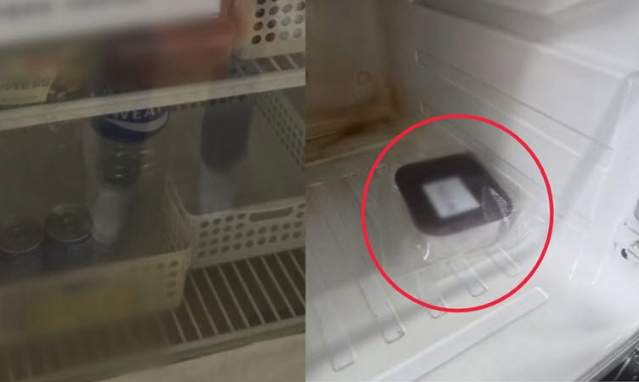
South Korean health authorities have opened an investigation into a Seoul nursing hospital following the discovery of a patient's severed toe stored inside the facility's kitchen refrigerator, raising serious questions about medical waste handling and patient care standards at the institution. The toe, which had been placed in a disposable porridge container, remained in the fridge for roughly two weeks until the patient's family discovered it during a visit, according to reports released on August 19.
The body part belonged to a man in his 60s with intellectual disabilities who has resided at the hospital for a decade. The family's discovery triggered revelations about how the incident unfolded and the hospital's response to the patient's medical emergency. According to their account, they were first informed in March that one of his toes had detached from his body.
When relatives contacted the hospital seeking clarification, administrators explained that the patient had sustained an accident during his regular bathing routine. The man had fallen while being transferred in a wheelchair, and the impact caused a toe that was already compromised by skin necrosis to become separated. This explanation, however, raised alarm bells for the family when they learned additional details about the patient's underlying foot condition.
The most troubling aspect of the case centres on what the family characterizes as a lack of transparency regarding the patient's health status. Hospital nursing records documented that the man had been diagnosed with a foot ulcer dating back to December, yet the family claims they were never notified of this serious medical condition despite their regular contact with the facility. This gap between documented medical information and family communication represents a significant breach in care coordination and informed consent practices.
The discovery has highlighted potential violations of South Korea's regulatory frameworks governing medical facilities. The nation's Waste Control Act explicitly mandates that medical waste must be stored in designated containers meeting specific safety and containment standards. By storing human tissue in a standard porridge container and placing it in a food preparation area, the hospital appears to have contravened these requirements designed to prevent cross-contamination and ensure proper handling of biohazardous materials.
Beyond waste management concerns, the incident may also constitute a violation of South Korean food sanitation regulations. These laws establish strict protocols separating medical materials from areas where food is prepared, stored, or consumed. The presence of human tissue in close proximity to beverages and food condiments in an active kitchen raises public health questions extending beyond the immediate patient care issue.
The hospital's response to the storage challenge has drawn criticism for its reasoning. Officials defended their actions by asserting that the facility lacked appropriate containers designed for preserving human tissue, and that a nurse made a judgment call to use the refrigerator as an interim solution to address what was characterized as an urgent situation. This explanation suggests inadequate preparedness and infrastructure at a medical institution that should maintain proper equipment and protocols for such emergencies, even if rare.
The incident is particularly significant in the Malaysian and Southeast Asian context given the region's ongoing efforts to strengthen healthcare standards and patient protections. Quality assurance in healthcare facilities, especially those serving vulnerable populations such as elderly patients and those with intellectual disabilities, remains an area requiring sustained attention across Southeast Asia. Cases such as this underscore the necessity for comprehensive oversight mechanisms, staff training programmes, and institutional accountability measures.
The discovery also raises broader questions about how patients with cognitive disabilities are protected within institutional settings. The 10-year tenure of this patient at the facility, combined with the apparent gap between documented medical conditions and family notification, suggests potential vulnerabilities in how care plans are communicated and how family oversight functions in such environments. These considerations are particularly relevant across Southeast Asia, where many countries are developing or refining regulations for residential and long-term care facilities.
South Korea's Health Ministry responded to the incident by announcing that it would request the local government to conduct a formal administrative investigation into the hospital's operations and practices. This intervention signals the seriousness with which authorities are treating the case and reflects growing pressure to ensure accountability within the healthcare sector. The investigation will likely examine not only the immediate waste storage violation but also broader institutional practices regarding patient communication, medical record management, and emergency protocols.
For regional observers, the case demonstrates the importance of robust regulatory frameworks that extend beyond written rules to encompass enforcement mechanisms and institutional compliance culture. Healthcare facilities operating across Southeast Asia would benefit from examining their own protocols for medical waste management, family communication about serious medical conditions, and emergency procedures when standard equipment or processes prove inadequate.
The incident has sparked public concern about standards in similar institutions across South Korea, with implications for how neighbouring countries assess their own healthcare facility regulations. Vulnerable patient populations—including those with disabilities, cognitive impairments, or limited family advocacy—require particularly rigorous institutional oversight and transparent communication channels to prevent lapses in both care quality and basic dignity.

