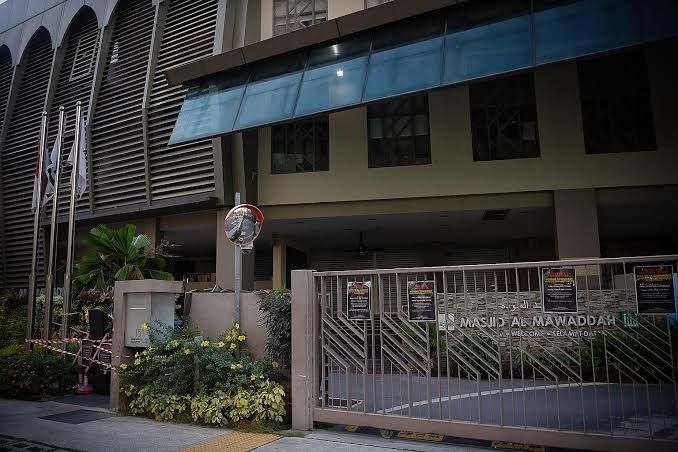
Singapore's police have brought criminal breach of trust charges against a senior finance official at the Al-Mawaddah Mosque in Sengkang's Compassvale Bow district, alleging he misappropriated more than S$14,000 from the mosque's donation boxes. Mohamed Muhaimin Mohamed Sulaiman, 42, appeared in court on August 12 to face the allegations, which authorities say occurred across at least 15 separate incidents spanning from February 6 through May 15.
The case came to light after police received a report on May 16 regarding the suspected financial misconduct. The timing of the discovery—roughly two months into the alleged theft period—suggests that internal checks or donor complaints may have triggered an investigation into the mosque's finances. The relatively short window between the alleged final incident and the official report indicates that the discrepancies were identified fairly quickly once scrutiny was applied.
Muhaimin's position as a senior finance executive would have given him substantial access to the mosque's donation collection systems and procedures. This level of trust, typically granted to individuals managing religious institutions' charitable funds, makes the alleged breach particularly serious from both a legal and community perspective. In Malaysia and across Southeast Asia, mosques and religious institutions depend heavily on community donations for operations, maintenance, and charitable programmes, making the integrity of their financial systems essential to public confidence.
The court has set his bail at S$10,000, allowing him to remain free pending further proceedings. His case is scheduled for mention again on September 16, which will provide more clarity on whether additional charges might be filed or if the investigation has revealed further details about the alleged misconduct. The relatively modest bail amount suggests that while the charges are serious, the court assessed him as a reasonably low flight risk.
Conviction on the criminal breach of trust charge carries substantial penalties under Singapore law. If found guilty, Muhaimin faces potential imprisonment of up to 15 years and financial fines, reflecting the severity with which the legal system treats breaches of fiduciary duty within religious and charitable organisations. Such sentences serve as a deterrent against financial crimes in institutions where individuals are entrusted with community resources.
The Islamic Religious Council of Singapore has not yet publicly commented on whether Muhaimin remains employed at the mosque following the charges. His employment status remains unclear as of the latest reporting, though it would be unusual for a religious institution to retain someone facing such serious allegations in a position involving financial management. The council's response to this matter will likely influence how both the mosque community and the broader Muslim community in Singapore perceive institutional accountability and transparency.
This case carries broader implications for how religious institutions across Southeast Asia manage their finances and implement safeguards. Many mosques, temples, and churches in Malaysia, Singapore, and the region rely on traditional donation collection methods that may lack robust internal controls. The incident highlights the importance of implementing transparent accounting practices, regular audits, and segregation of financial duties to prevent individual misconduct.
Community trust in religious institutions depends significantly on financial propriety. When senior officials allegedly exploit their positions to redirect charitable contributions, it undermines not just individual mosques but the broader credibility of religious finance management. For Malaysian readers, the case serves as a reminder of why institutions should maintain clear governance structures with multiple oversight layers.
The Al-Mawaddah Mosque incident also raises questions about how such situations are detected. The fact that the alleged thefts occurred across multiple months before being reported suggests that either donation box reconciliation procedures were not regularly conducted, or that someone finally noticed the discrepancies. Improved frequency of financial audits and clearer documentation of donation collections could help prevent similar situations.
From a regional perspective, Southeast Asian countries have increasingly focused on financial crimes within non-profit and religious sectors. Singapore's prosecution of this case demonstrates the authorities' commitment to applying the same rigorous standards to all institutions, regardless of their religious or charitable status. This approach contrasts with some jurisdictions where religious organisations might receive more lenient treatment.
The case will likely proceed through Singapore's court system over the coming months, with the September 16 mention providing the next opportunity for developments. Meanwhile, the Al-Mawaddah Mosque will need to address both the immediate fallout from the allegations and longer-term questions about its financial governance structures. For Malaysia's Muslim community leaders, the case serves as a useful case study in why robust institutional controls matter, regardless of the size or prominence of the organisation.

