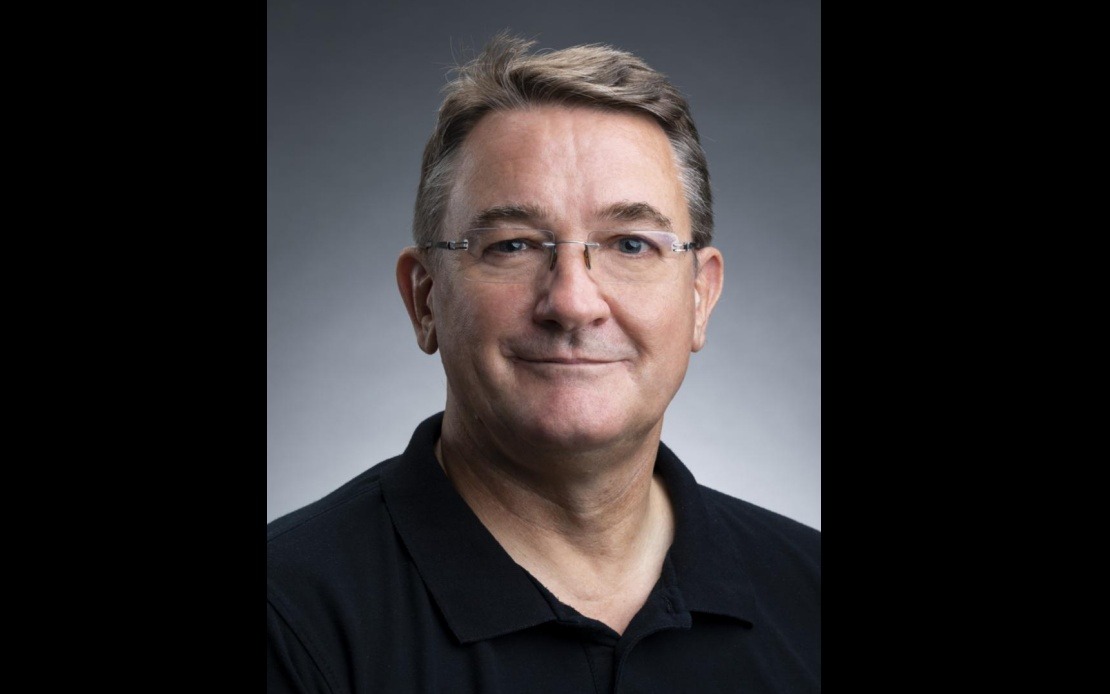
Dr David Lacey, a prominent figure in Malaysia's semiconductor industry and current chairman of the Semiconductor Fabrication Association of Malaysia (SFAM), has been appointed as the British Honorary Consul in Penang. The 60-year-old assumes the diplomatic post previously held by Datuk Robert Hawkins, who concluded his tenure after two decades representing British interests in the northern state. The appointment signals Britain's strategic focus on deepening technological cooperation with Malaysia's northern region as both nations advance their bilateral partnership.
Lacey's predecessor, Datuk Robert Hawkins, departed the role after serving since the early 2000s with distinction. During his 20-year tenure, Hawkins built substantial institutional relationships across Penang's business and administrative sectors. His retirement marks a generational transition in Britain's diplomatic representation at the honorary consul level, with the incoming appointee bringing a distinctly technology-focused perspective to the role. Ajay Sharma, the British High Commissioner to Malaysia, publicly acknowledged Hawkins' contributions to strengthening British-Malaysian ties and supporting the expatriate community.
The selection of Lacey reflects Britain's ambition to leverage Malaysia's growing prominence in semiconductors and digital innovation. Sharma indicated that Lacey would prioritize engagement with Penang and surrounding northern states specifically within technology, artificial intelligence, and digital transformation domains. This thematic alignment supports the broader Strategic Partnership framework that both governments are actively developing. Rather than serving as a traditional diplomatic functionary, Lacey's appointment positions the honorary consul's office as a bridge for technological collaboration and knowledge exchange between British and Malaysian innovation ecosystems.
As an honorary consul, Lacey will undertake multifaceted responsibilities extending beyond trade promotion. The role encompasses diplomatic duties such as managing consular services for British citizens facing medical emergencies or legal complications within Malaysian jurisdiction. Honorary consuls also coordinate with local authorities during crises affecting British nationals and handle administrative matters arising from British deaths abroad. These responsibilities require cultural sensitivity, legal knowledge, and established relationships within both the British expatriate community and Malaysian government institutions at state and federal levels.
Lacey brings substantial international experience to the position. His career spans the semiconductor and advanced technology sectors across Europe, North America, and Asia. He has successfully established research and development facilities designed to commercialize cutting-edge technologies and bring innovative products to market. Currently, he directs operations at a high-technology semiconductor enterprise based in Penang, positioning him at the epicenter of Malaysia's semiconductor ambitions. His technical expertise and business acumen provide practical understanding of the industry challenges and opportunities that will inform his consular work.
Beyond his commercial responsibilities, Lacey holds influential positions within Malaysia's research and innovation architecture. He serves as a board member of the Collaborative Research in Engineering, Science, and Technology (CREST) organization and acts as adviser to the Academy of Sciences Malaysia (ASM). These roles demonstrate his integration into Malaysia's scientific establishment and his commitment to advancing the nation's technological capabilities. His involvement in these institutions suggests that diplomatic duties will complement rather than displace his ongoing contributions to Malaysian innovation policy.
Lacey's academic credentials strengthen his credibility within both British and Malaysian professional circles. He holds a doctoral degree in philosophy from the University of Sussex in the United Kingdom, indicating advanced research training in rigorous analytical methodologies. In recognition of his contributions to Malaysia's economic advancement, Universiti Sains Malaysia (USM) conferred upon him an Honorary Doctor of Science degree in 2021. This distinction reflects Malaysian recognition of his role in fostering technology transfer and economic development within the country.
Having maintained residence in Penang continuously since 2001, Lacey possesses deep familiarity with the state's political landscape, business community structures, and cultural dynamics. His two-decade residence provides him with established networks across government, academia, and commerce—essential foundations for effective honorary consular work. Long-term residency demonstrates genuine commitment to the region beyond temporary posting, lending credibility to his diplomatic representation of British interests. This stability contrasts with the typical pattern of career diplomats rotating through postings every few years.
The appointment arrives at a strategic juncture for British-Malaysian relations in the technology sector. Malaysia actively develops its semiconductor capabilities as part of broader efforts to position itself within global value chains for advanced electronics manufacturing. Britain similarly prioritizes semiconductor and AI sectors as pillars of its post-Brexit economic strategy. Lacey's background in linking technological innovation with commercial deployment positions him to identify specific collaboration opportunities between British research institutions, companies, and their Malaysian counterparts. His consular platform effectively becomes a facilitation mechanism for bilateral technology partnerships.
Penang's designation as Malaysia's semiconductor and digital technology hub makes the honorary consul appointment particularly significant. The state hosts numerous technology enterprises, research facilities, and investment initiatives designed to establish regional leadership in advanced manufacturing and AI applications. A honorary consul with deep industry expertise can provide substantive input into how British institutions—universities, research councils, and technology companies—might engage with Penang's ecosystem. This capability extends the conventional scope of honorary consular work into strategic economic facilitation.
The timing of Lacey's appointment also reflects broader patterns in how nations structure diplomatic representation in the post-pandemic era. Traditional consular functions remain essential, but honorary consuls increasingly serve as economic diplomats and innovation brokers. Lacey's appointment exemplifies this evolution, positioning the British presence in Penang not merely as service provision for nationals abroad but as an active agent in bilateral technological cooperation. His unique background allows him to speak credibly with both government policymakers and business leaders regarding technological feasibility and commercial viability of proposed collaborations.
For Malaysia, Lacey's appointment signals that Britain takes seriously the development of substantive partnerships in advanced technology sectors. Honorary consul positions, while less prominent than embassy roles, carry symbolic weight indicating where nations prioritize engagement. By appointing a technology industry leader rather than a retired general diplomat, Britain communicates that cooperation in semiconductors and digital innovation represents a genuine strategic priority. This sends positive signals to Malaysian technology enterprises and research institutions considering British partnerships.

