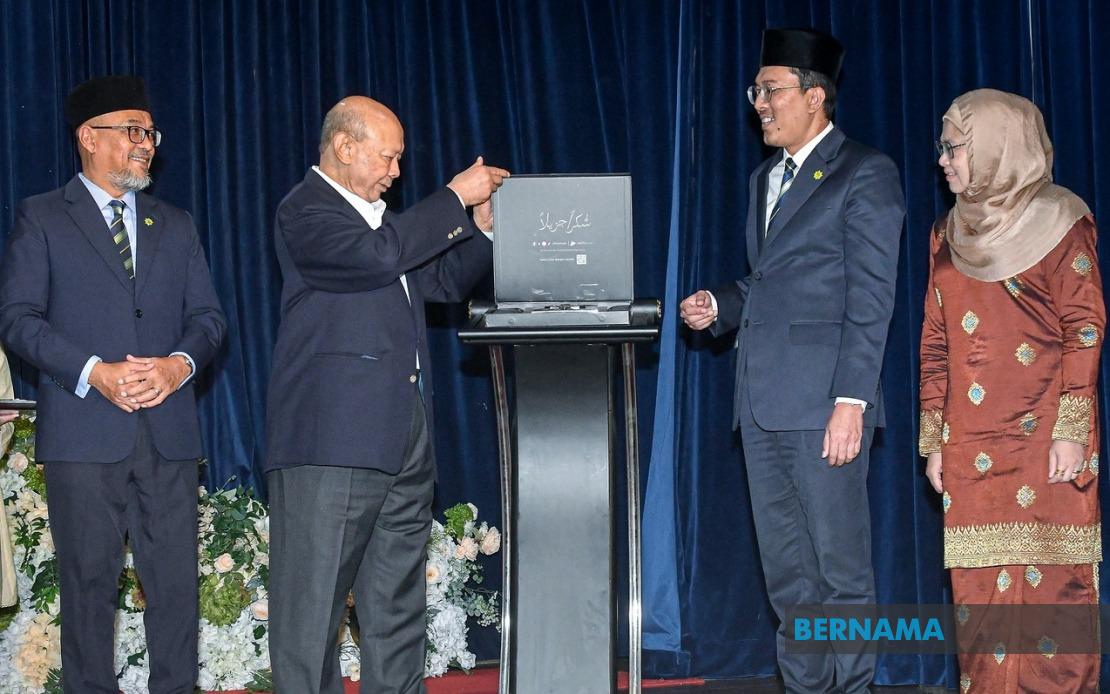
The Selangor Zakat Board unveiled a landmark certification scheme on Wednesday that marks the first formal recognition system in Malaysia designed to honour businesses honouring their zakat commitments. Launched at the Gemerlapan Rakan Strategik Zakat Selangor (GRASIAZ) 2026 event in Shah Alam, the Muzakki Zakat Selangor Recognition Initiative, or IKTIRAF, represents an innovative approach to encouraging corporate participation in one of Islam's five pillars through public acknowledgement and branded certification.
The initiative operates on principles similar to halal certification schemes already familiar to Malaysian businesses and consumers. Participating companies receive both an electronic certificate and a distinctive e-label bearing a unique serial number, assets they can prominently display across their product packaging, physical premises, and marketing campaigns. The public verification mechanism—a QR code linked to each participant—creates transparency and allows consumers to independently confirm a company's zakat compliance status, thereby building consumer confidence in certified organisations.
CEO Mohd Khaidzir Shahari articulated the broader strategic ambition underlying IKTIRAF: transforming zakat from a peripheral compliance matter into a meaningful component of corporate governance and social responsibility frameworks. By affixing the IKTIRAF logo to products and facilities, companies signal to Muslim consumers that they have integrated Islamic financial principles into their operational philosophy. This positioning recognises a growing demographic trend across Malaysia and Southeast Asia where consumers actively seek to support businesses aligned with their religious values, creating both ethical alignment and potential competitive advantage.
The certification mechanism addresses a critical gap in Malaysia's existing zakat infrastructure. While individuals have long understood zakat obligations through mosque networks and religious education, corporate zakat practices remain opaque to many businesses and largely invisible to the consuming public. IKTIRAF transforms this visibility challenge by making zakat compliance a marketable attribute rather than a hidden financial transaction, potentially incentivising broader corporate participation through reputation benefits and consumer preference.
Zakat Selangor has established an ambitious but measured first-year target: formally recognising approximately 1,000 existing business zakat contributors already operating within the state's zakat ecosystem. This approach prioritises quality engagement over rapid expansion, reflecting a deeper strategic understanding that sustainable zakat implementation cannot rely on coercive mechanisms or rushed rollouts. Mohd Khaidzir explicitly cautioned against treating zakat as a compliance enforcement exercise, emphasising instead the necessity of building genuine understanding among corporate leadership—particularly shareholders and boards of directors—to ensure businesses adopt consistent, voluntary zakat practices rather than sporadic, token contributions.
This philosophy represents a departure from conventional regulatory thinking and reflects sophisticated understanding of how Islamic financial principles function within secular corporate structures. Religious observance mandated through bureaucratic pressure tends to generate resentment and minimal compliance, whereas voluntary participation emerging from board-level conviction produces sustainable commitment. By investing in stakeholder education and recognition rather than penalties, Zakat Selangor acknowledges that genuine integration of zakat into corporate culture requires persuasion rather than punishment.
The initiative carries particular relevance for Malaysian businesses operating across Southeast Asia's increasingly diverse markets. As companies expand into Muslim-majority regions including Indonesia, Brunei, and southern Thailand, demonstrated zakat commitment becomes both a religious credential and a market access tool. IKTIRAF certification provides portable evidence of Islamic compliance that multinational corporations can leverage across their regional operations, addressing consumer concerns and regulatory requirements simultaneously across multiple jurisdictions.
For smaller enterprises and mid-sized companies, IKTIRAF offers recognition benefits previously unavailable in Malaysia's corporate landscape. Traditionally, large corporations have dominated zakat discussions through their substantial contributions, leaving medium-sized businesses without formal acknowledgement despite meaningful participation. The certification scheme democratises recognition, extending visible status to businesses across the economic spectrum, thereby encouraging inclusive participation rather than concentrating zakat engagement among multinational giants.
The practical implementation through digital channels—e-certificates, QR codes, and online verification systems—positions IKTIRAF within contemporary corporate communication frameworks. Malaysian businesses already accustomed to digital certification processes for food safety, environmental compliance, and labour standards can readily integrate zakat verification into their existing digital ecosystems, reducing adoption friction and administrative burden. This technological accessibility becomes increasingly important as Malaysia pursues digital economy expansion and expects businesses to manage multiple compliance certifications simultaneously.
Chairman Tan Sri Syed Anwar Jamalullail's presence alongside the CEO signified institutional commitment from Zakat Selangor's leadership, suggesting the initiative enjoys sustained political and administrative backing necessary for long-term viability. Institutional stability matters profoundly for certification schemes; business participants require confidence that certification bodies will remain operational and maintain consistent standards across certification cycles, avoiding the regulatory whiplash that sometimes characterises new government initiatives in Malaysia.
The inaugural presentation of IKTIRAF plaques to qualifying organisations under the Business Zakat and Salary Deduction Scheme categories formally inaugurated the recognition system while honouring existing contributors. This ceremonial dimension serves multiple functions: it rewards past participation, generates publicity attracting attention from non-participating businesses, and creates social proof demonstrating the initiative's legitimacy and operational capacity. Companies receiving early recognition gain first-mover advantages in market positioning before certification becomes routine.
For Malaysian policymakers, IKTIRAF exemplifies how religious obligations can be reframed as market-based incentive systems rather than purely regulatory impositions. Rather than legislating mandatory corporate zakat payments, Zakat Selangor employs consumer preference as the enforcement mechanism—companies pay zakat to access market positioning benefits and consumer loyalty advantages. This approach proves particularly effective in Malaysia's religiously diverse business environment where top-down mandates generate political resistance, whereas voluntary market-based systems enjoy broader acceptance across religious and ethnic communities.
Moving forward, the scheme's success will depend substantially on how effectively Zakat Selangor communicates the IKTIRAF logo's meaning to ordinary Malaysian consumers and whether consumers genuinely reward certified companies through increased patronage. Without meaningful consumer behaviour change, certification becomes merely decorative. The initiative's architects clearly recognise this challenge, making consumer education—not just corporate recruitment—central to long-term viability. The coming months will reveal whether Malaysian consumers prioritise Islamic compliance signals sufficiently to translate zakat certification into tangible business rewards.

