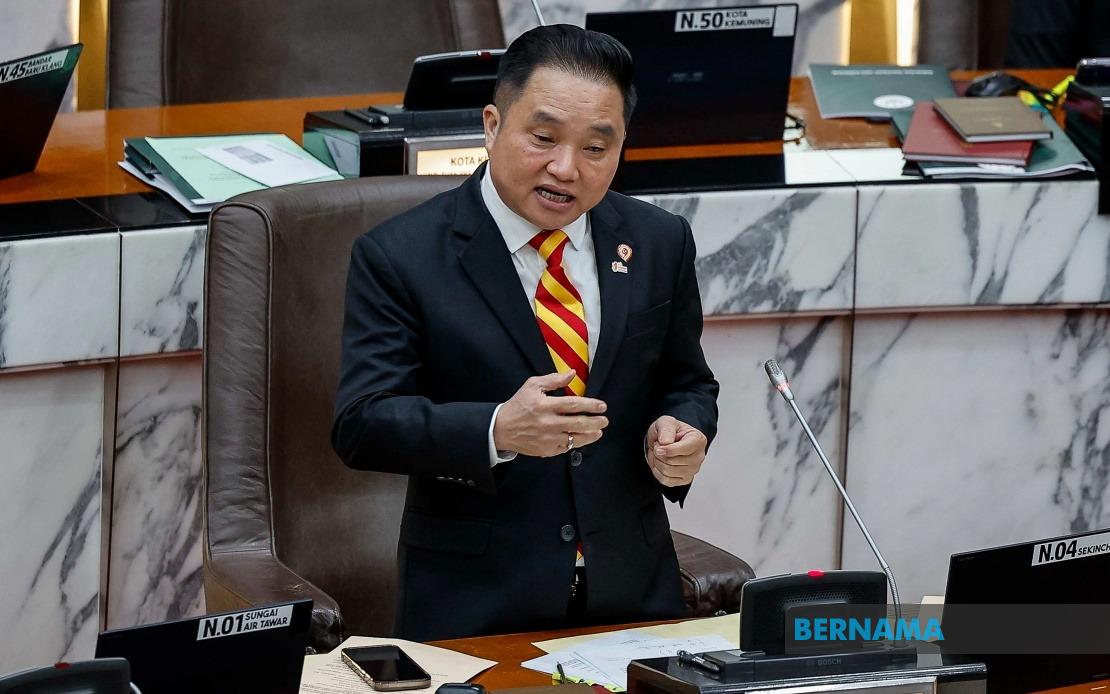
Selangor is moving forward with plans to create a unified digital platform that will bundle together the services and grievance mechanisms of all 12 local authorities across the state. The initiative was unveiled by Datuk Ng Suee Lim, chairman of the State Local Government and Tourism Committee, during the state assembly sitting, marking an attempt to streamline how residents interact with municipal and local government bodies. The 'super app' represents a significant departure from the current fragmented landscape where citizens must navigate multiple separate applications to access different services from various authorities.
The underlying motivation for this consolidation effort stems from genuine frustration voiced by the public. Residents have consistently complained about the proliferation of applications, each serving different local authorities, creating confusion about which platform to use for specific services. By centralising these functions, the state government hopes to make administrative dealings more efficient and user-friendly, reducing the friction that currently characterises public engagement with local government services. This reflects a broader regional trend across Southeast Asia where digital governments are consolidating citizen touchpoints to improve service delivery and user experience.
Datuk Ng acknowledged during the assembly that feedback from the public had been instrumental in shaping this policy direction. He noted that the state recognises the legitimate concerns residents have raised about application fatigue and the difficulty in determining which channel to use for different complaints or service requests. The proposed solution represents a pragmatic approach to digital governance—rather than attempting to force users onto multiple platforms, the government would meet citizens where they already expect to be, on a single, comprehensive application that handles the full spectrum of local government interactions.
Crucially, the state has committed to continuous refinement of the platform. Datuk Ng stressed that the approach they are adopting can be steadily improved based on user experience and feedback. This suggests the government understands that launching a 'super app' is not a one-time implementation but rather an ongoing process of enhancement and adaptation. Such flexibility is essential given the rapid pace of technological change and evolving user expectations around digital services.
Data protection and user privacy have been positioned as paramount concerns in the development of this platform. The state government intends to implement robust security measures to prevent unauthorised disclosure or misuse of personal information. Rather than treating data security as an afterthought, it appears to be a foundational design principle for the application. The state plans to establish regular monitoring systems to ensure that these protections remain effective and that any vulnerabilities are quickly identified and remedied.
The vetting process for technology vendors has also been given significant attention. Rather than selecting the lowest bidder or rushing to partner with available providers, Selangor will evaluate potential vendors carefully to ensure they have strong track records and demonstrable capability in handling sensitive citizen data and delivering reliable services. This cautious approach reflects lessons learned across the region where poorly vetted technology partners have occasionally created security breaches or service disruptions that damaged public trust in digital government initiatives.
An important equity consideration embedded in the plan involves maintaining traditional counter services at all local authorities. The state recognises that not all residents possess the digital literacy or access to engage with a mobile application, particularly among senior citizens and those living in rural areas with limited internet connectivity. By preserving physical counter services, the government ensures that the digital transition does not create a two-tier system of access where some residents are inadvertently marginalised. This inclusive approach is particularly relevant in the Malaysian context where digital divides persist along urban-rural and age-based lines.
The development of this super app occurs within a broader regional context where Malaysian states are increasingly competing on digital governance. Neighbouring jurisdictions in the region are also modernising their citizen interfaces, and Selangor's initiative positions Malaysia's largest and most economically significant state as a leader in this space. The consolidation of 12 local authorities under one platform is ambitious in scope and, if executed successfully, could serve as a model for other states or even for the federal government's own service delivery mechanisms.
For residents across the state's 12 local authorities—ranging from major urban centres to suburban municipalities—this development promises tangible quality-of-life improvements. Whether paying assessment taxes, lodging complaints about infrastructure, applying for permits, or seeking other municipal services, citizens will eventually experience a simpler, more intuitive journey. The reduction in friction points should free residents from the current burden of remembering which app serves which authority and deciphering overlapping or duplicative services.
Implementation timelines and resource allocation remain to be detailed, but the state's commitment to the project suggests this is not merely a rhetorical promise. The sophistication required to integrate disparate systems, databases, and service workflows across 12 independent authorities will require substantial technical expertise and investment. Questions about budget allocation, development phases, and rollout schedules will become increasingly important as the project moves from concept to execution.

