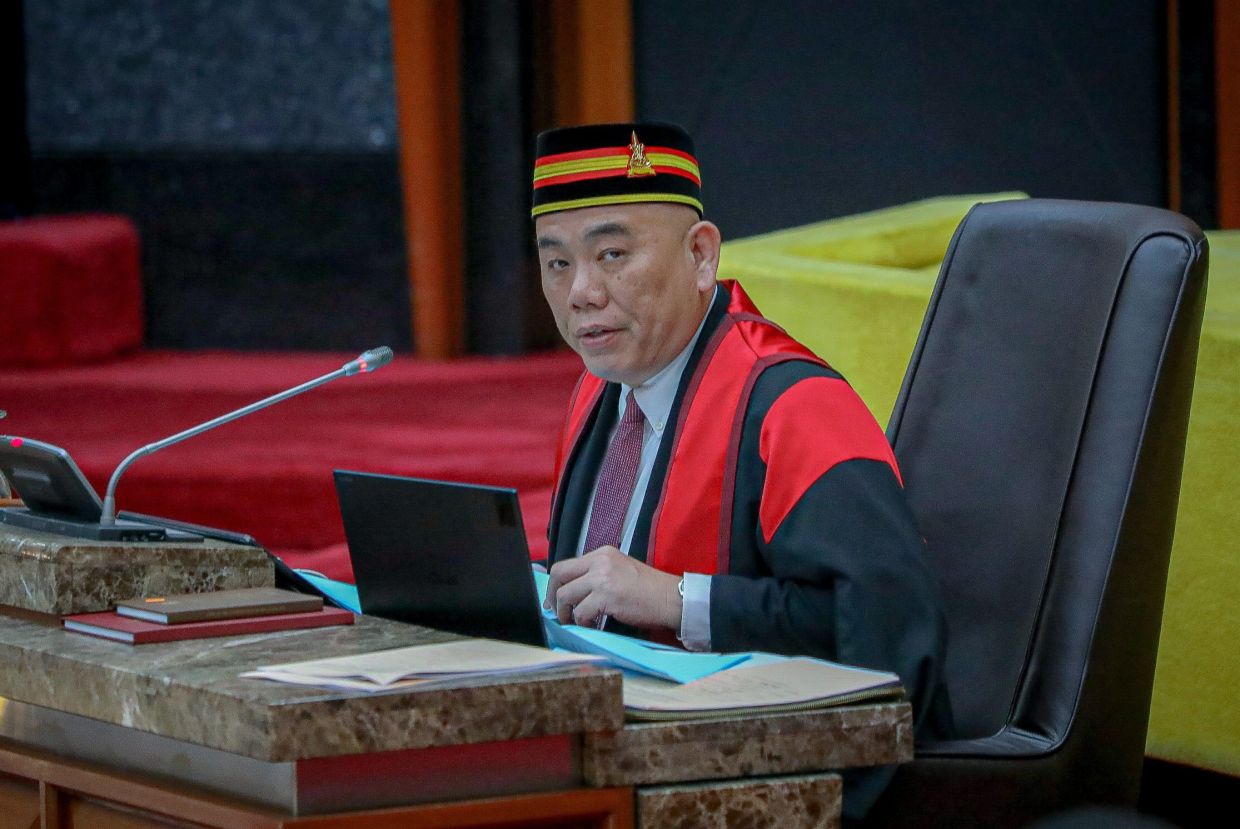
The Selangor Speaker has definitively ended months of speculation about a possible by-election, declaring that a thorough examination of all state assemblymen has revealed no cause for any of them to relinquish their positions. Lau Weng San made the announcement during a press conference held at the margins of Thursday's state assembly sitting in Shah Alam, confirming that the inquiry, completed on August 10, encompassed legislators from all political parties and scrutinised their circumstances from multiple angles. The investigation addressed concerns that had emerged earlier in the month when a bankruptcy order against one assemblyman had raised the possibility of a seat becoming vacant, though the High Court subsequently reversed that order.
The review represents an important moment for Selangor's political stability, as Malaysia's most populous and economically significant state has avoided the disruption that a mid-term vacancy would entail. Such by-elections carry considerable symbolic weight in Malaysian politics, often serving as bellwether contests that reflect public sentiment towards the incumbent government. For Selangor, which has experienced considerable political volatility in recent years, the confirmation of a stable legislature provides clarity for the state administration's governance agenda. Lau emphasised that the examination had been exhaustive in nature, leaving no stone unturned in assessing whether any legislator faced disqualification under constitutional or legislative provisions.
Beyond the immediate question of seat vacancies, the Speaker used the occasion to address broader concerns about assembly attendance patterns. He revealed that a register documenting assemblymen with frequent absences would be made public through social media channels, introducing a transparency measure intended to heighten accountability. This disclosure reflects growing pressure across Malaysian legislatures to ensure that elected representatives prioritise their parliamentary duties above competing demands on their time. The measure carries particular weight in Selangor, where the state assembly represents one of the nation's most active and visible legislatures, with significant media scrutiny and public interest in its proceedings.
Lau outlined the procedural requirements governing absenteeism, noting that while assemblymen seeking to be absent must formally request leave through written communication, the current system accommodates legitimate reasons for non-attendance. He illustrated this through the example of the Bandar Baru Klang representative, who had requested leave following surgical intervention and medical advice to recuperate for one week. This distinction between organised absence with proper notification and unexplained non-attendance reflects an attempt to balance institutional rigour with practical understanding of legislators' circumstances. The Speaker noted that absences at each sitting typically number between three and five members, a figure suggesting that the attendance issue, while present, remains manageable rather than endemic.
The implications of habitual absence extend beyond mere procedural concerns. Assemblymen who fail to attend forfeit opportunities to pose questions to the executive, receive substantive responses from state ministers, table proposals affecting their constituencies, and remain informed of critical government updates delivered during closing remarks. In a state legislature that convenes only three times annually, with each session lasting approximately two weeks or less, each sitting represents significant opportunity cost for missed participation. This frequency underscores the compressed nature of the legislative calendar, making every session's availability crucial for assemblymen who wish to effectively represent their constituents and influence policy outcomes.
To address the attendance challenge, Lau issued guidance encouraging assemblymen to schedule their constituency and non-critical appointments strategically to avoid clashing with assembly sessions. The Speaker acknowledged that legitimate circumstances—most notably deaths requiring immediate burial under Islamic custom—warrant absence without prior notice, recognising the diversity of situations Malaysian legislators encounter. Importantly, Lau clarified that even partial attendance counts towards the member's presence record, providing flexibility for those whose other duties or obligations may cause them to arrive late. This pragmatic approach reflects understanding that political life in Malaysia often involves competing demands that cannot always be easily reconciled.
The Speaker also revealed that assemblymen receive daily attendance allowances, with RM200 provided for morning sessions and RM150 for afternoon sittings. These figures, while modest compared to other jurisdictions, represent compensation intended to offset participation costs. The specific amounts suggest careful calibration by the state assembly, potentially reflecting assessments of reasonable remuneration for legislative service. Transparency regarding these allowances supports public understanding of how assemblymen are compensated for their work, an important consideration given ongoing debates about parliamentary remuneration across Malaysia.
Executive councillors now retain the option to decline responding to questions raised by absent assemblymen during concluding speeches, a change that Lau indicated could streamline proceedings by directing government attention towards members physically present in the chamber. This procedural adjustment, while seemingly technical, carries implications for how absent legislators remain connected to government accountability processes. It establishes a direct consequence for non-attendance beyond reputational concerns, potentially serving as an incentive for improved participation.
For Malaysian politics more broadly, Selangor's management of the attendance question reflects broader trends across regional legislatures grappling with ensuring effective parliamentary participation. The state's approach—combining transparency measures, procedural flexibility, and strategic incentives—offers a balanced model addressing institutional integrity without imposing excessive rigidity. As Selangor continues navigating complex coalition politics and developmental pressures, maintaining a full complement of engaged assemblymen strengthens the legislature's capacity to serve as an effective forum for scrutiny and representation.

