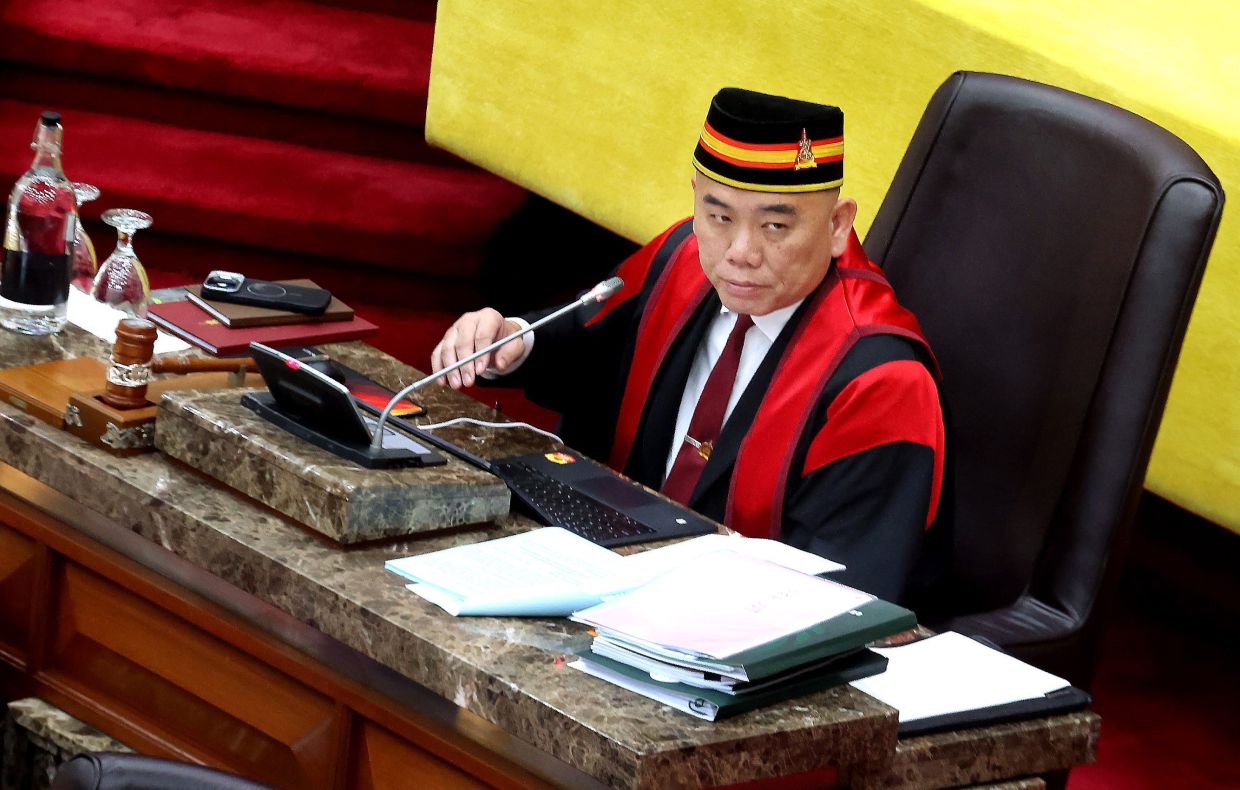
Authorities in Selangor are conducting a comprehensive investigation into allegations that a state assemblyman has been declared bankrupt, according to Speaker Lau Weng San, who made the disclosure during proceedings at Bangunan Dewan Negeri Selangor on Monday. While Lau acknowledged the ongoing nature of the inquiry, he has chosen not to divulge the identity of the legislator in question, citing the need to complete all investigative procedures before making any public statements on the matter.
The investigation encompasses multiple dimensions of the case, as Lau explained to reporters gathered at the state assembly complex. The probe will examine all stakeholders involved, review the circumstances across all relevant constituencies, and scrutinise every pertinent aspect that may bear on the allegation. This methodical approach reflects the Speaker's commitment to ensuring thoroughness before drawing conclusions or initiating formal proceedings. Lau emphasised that premature statements could prejudice the integrity of the investigation and potentially mislead the public on a sensitive constitutional matter.
The potential consequences of confirmed bankruptcy allegations would extend beyond the state legislature itself. Should the investigation substantiate the claims, the matter would shift into the domain of electoral authorities, particularly the Election Commission. Lau clarified that the constitutional and legal implications of such a finding would rest with electoral institutions rather than falling within the Speaker's purview. This delineation is significant because bankruptcy is historically considered grounds for disqualification from holding elected office under Malaysian electoral law, a principle rooted in preventing individuals with compromised financial interests from legislating on fiscal matters affecting the state.
When pressed on the timeline for concluding the investigation and announcing findings, Lau resisted committing to any specific deadline. He stressed that investigations of this calibre cannot be rushed without compromising accuracy and fairness to the assemblyman involved. The Speaker's cautious stance underscores the delicate balance between public accountability and procedural justice—rushing to judgment could expose the state to legal challenges, whilst excessive delays might fuel speculation and undermine public confidence in institutional processes.
One dimension of the inquiry that attracted immediate attention concerned the attendance records of state assemblymen at recent sittings. When asked whether the individual under investigation might be among those who were absent from Monday's assembly session, Lau acknowledged that lawmakers have legitimate reasons for missing proceedings beyond their control. Medical leave and other permissible absences are recognised under assembly procedures and do not automatically trigger suspicion of misconduct or constitutional violation. This distinction is crucial because it prevents unfounded correlation between a single absence and the underlying bankruptcy allegations.
The Selangor State Constitution establishes clear procedural safeguards regarding the tenure of assemblymen's seats. Under existing provisions, a Speaker may only declare a seat vacant when a representative fails to attend assembly sittings for six consecutive months continuously and without formal notification to the assembly. This substantial threshold prevents precipitous action based on temporary absences and ensures that assemblymen retain their positions even during legitimate periods away from the chamber. The provision reflects a careful calibration between protecting legislative continuity and preventing the arbitrary removal of elected representatives through technicality.
Lau invoked recent precedent to illustrate how these constitutional provisions operate in practice. The case of former Batang Kali assemblyman Harumaini Omar, whose seat was declared vacant on February 16, 2023, demonstrates the stringent requirements that must be satisfied before the Speaker takes such action. Omar's seat became available only after he accumulated more than six months of unexplained and unauthorised absences from state assembly proceedings. The Speaker had to confirm that Omar had failed to provide formal notice or permission for his prolonged absence before exercising the power to declare the seat vacant. This precedent establishes that mere absence, however prolonged, does not automatically translate to loss of seat—formal procedures and proper notification must first be disregarded.
The investigation into the Selangor assemblyman occurs within a broader context of heightened scrutiny regarding financial propriety among elected representatives across Malaysia. As voters increasingly expect transparency regarding the personal and financial conduct of their legislators, state governments have become more attentive to ensuring that assemblymen meet constitutional fitness criteria. Bankruptcy represents a serious impediment to legislative service because it theoretically creates conflicts of interest when voting on budgets and financial legislation. Moreover, the constitutional bar against bankrupts serving as elected representatives has historical roots in Commonwealth parliamentary tradition, reflecting the view that financial irresponsibility disqualifies individuals from stewardship of public resources.
The Election Commission's potential involvement in this matter carries significant implications for Selangor's legislative composition. Should the investigation confirm the bankruptcy allegations and the Election Commission determine that the assemblyman's seat must be vacated, a by-election would become necessary in the affected constituency. Such electoral contests entail cost, logistical complexity, and renewed political competition, making the stakes considerable for both the ruling coalition and opposition parties in the state. For voters in that constituency, a by-election would represent an opportunity to choose a replacement representative, though it might also generate uncertainty during the interim period.
Lau's measured approach to this investigation reflects established norms of institutional restraint and proper procedure. By withholding identification of the assemblyman and avoiding preliminary judgments, the Speaker preserves the fairness of the process and respects the presumption of innocence that ought to accompany such serious allegations. The Speaker's commitment to completing the full investigation before announcement also protects the credibility of whatever determination ultimately emerges, ensuring that it rests on solid factual foundation rather than speculation or incomplete information. This methodical stance, though potentially frustrating to those seeking immediate answers, ultimately serves to strengthen public confidence in the integrity of Selangor's legislative institutions.

