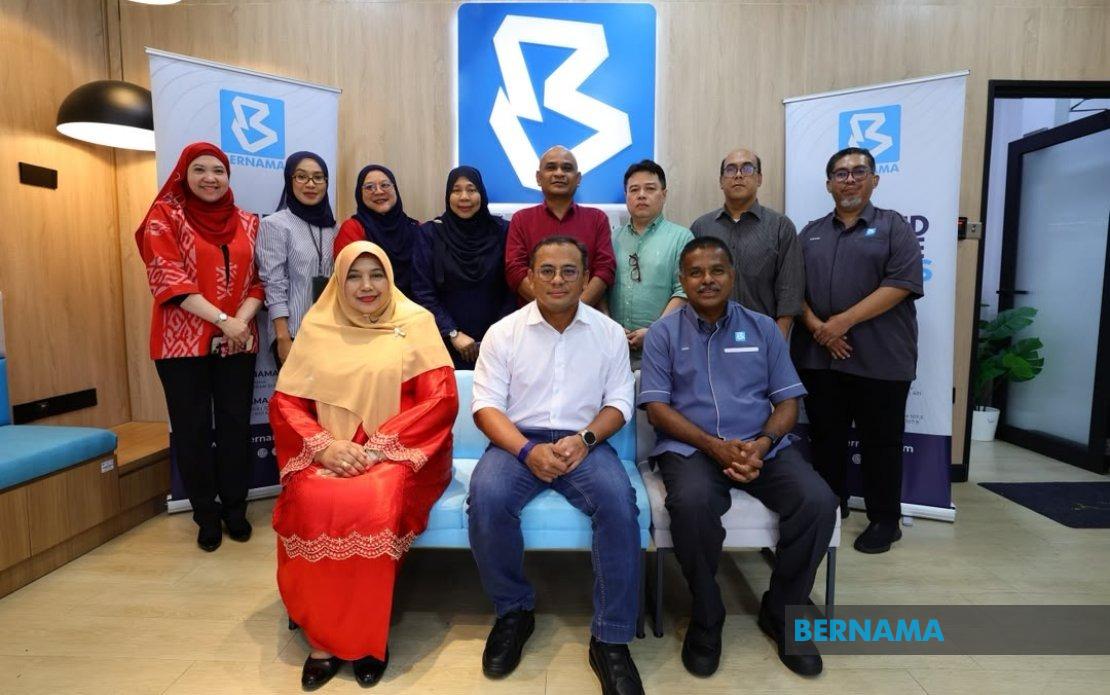
Datuk Seri Amirudin Shari, the Selangor Menteri Besar and election director for Pakatan Harapan, made an unannounced inspection of the Malaysian National News Agency's Negeri Sembilan bureau on July 20, underscoring the significance of media operations during the state's upcoming electoral contest. The visit to Seremban headquarters occurred as the campaign for the 16th Negeri Sembilan state election entered its third phase, with voting mechanisms already taking shape following the Election Commission's scheduling decisions.
Amirudin arrived at the Bernama office at 2 pm, where he engaged with senior leadership including chief executive officer Datin Paduka Nur-ul Afida Kamaludin and editor-in-chief Arul Rajoo Durar Raj. The presence of additional top management figures, including deputy editor-in-chief of News Services Mohd Shukri Ishak and Negeri Sembilan bureau chief Nursyabiha Sukri, reflected the importance placed on the visit by the national news organization. Such high-level engagement between political leadership and media infrastructure during election periods demonstrates the critical role that news dissemination plays in shaping electoral narratives across Malaysia.
During his tour, Amirudin received a comprehensive briefing from Mohd Hisham Abdul Rafar, the coordinating editor overseeing Bernama's election coverage operations. This session delved into the mechanics of how the agency manages news flow during an active campaign—a particularly relevant concern given the scale and complexity of modern election reporting. Understanding these operational frameworks helps political leaders gauge how their messaging reaches constituents through established news channels, while simultaneously allowing media outlets to ensure balanced coverage of all stakeholder positions.
The timing of Amirudin's visit carries strategic importance as the campaign intensified, with the Election Commission having designated July 28 as the date for early voting and August 1 as the official polling day. These critical dates structure the election calendar and influence the pacing of political communication strategies. By visiting the nerve centre of one of Malaysia's principal news agencies three days before early voting commenced, Amirudin effectively demonstrated PH's engagement with institutional media processes during the electoral cycle.
Beyond the facility tour, Amirudin scheduled an exclusive interview session with Bernama TV to discuss election developments and strategic positions. Television interviews remain among the most influential channels for reaching Malaysian voters, particularly in states like Negeri Sembilan where traditional broadcast media consumption remains substantial. This decision to conduct recorded commentary for television distribution reflects modern campaign tactics that leverage multiple platforms and outlets to amplify messaging while maintaining direct communication channels with news professionals.
The Negeri Sembilan election itself represents a significant test for the ruling coalition in a state that has experienced considerable political fluctuation in recent years. As PH's election director, Amirudin's personal involvement in monitoring media infrastructure suggests the national coalition views this contest as strategically important enough to warrant direct oversight from senior leadership. The Selangor leader's dual roles—managing one of Malaysia's most developed states while coordinating PH's broader electoral strategy—position him at a crucial junction between state and federal party interests.
Bernama's role as the primary news agency for official election coverage places considerable responsibility on the organization to deliver accurate, timely, and balanced reporting that serves both the public interest and institutional credibility. The agency operates as a backbone for much of Malaysia's news ecosystem, with its reports often republished and referenced by other media outlets. Consequently, editorial decisions made during the election period have cascading effects throughout the information landscape, influencing public perception and electoral discourse across the nation.
For Malaysian readers and stakeholders in the broader Southeast Asian context, election coverage standards and media engagement patterns reflect deeper questions about democratic participation and institutional transparency. The Negeri Sembilan election provides a case study in how modern Malaysian political contests incorporate various stakeholders—from state-level political actors to national news infrastructure—in managing electoral processes. The relatively calm institutional engagement between political leadership and media representatives, as evidenced by Amirudin's facility visit, contrasts sharply with more polarized electoral environments elsewhere in the region.
The visit also highlights the distinction between older, state-controlled broadcast traditions and the increasingly fragmented media landscape through which Malaysian voters access election information. While Bernama maintains institutional credibility and reach, contemporary campaigns acknowledge competing channels including social media, digital news platforms, and alternative broadcasters. Amirudin's engagement with Bernama thus represents recognition of legacy media's continuing significance even within a diversified information ecosystem.
Looking forward, the Negeri Sembilan election will test whether PH's coalition strategy and leadership quality—as demonstrated through institutional engagement like Amirudin's site visit—translate into electoral support. The state has a history of competitive politics where margins can prove decisive, making effective communication and media relations strategically critical. The coming weeks leading to August 1 will reveal whether this visible engagement with journalistic institutions and coverage mechanisms generates tangible political benefits for the ruling coalition.

