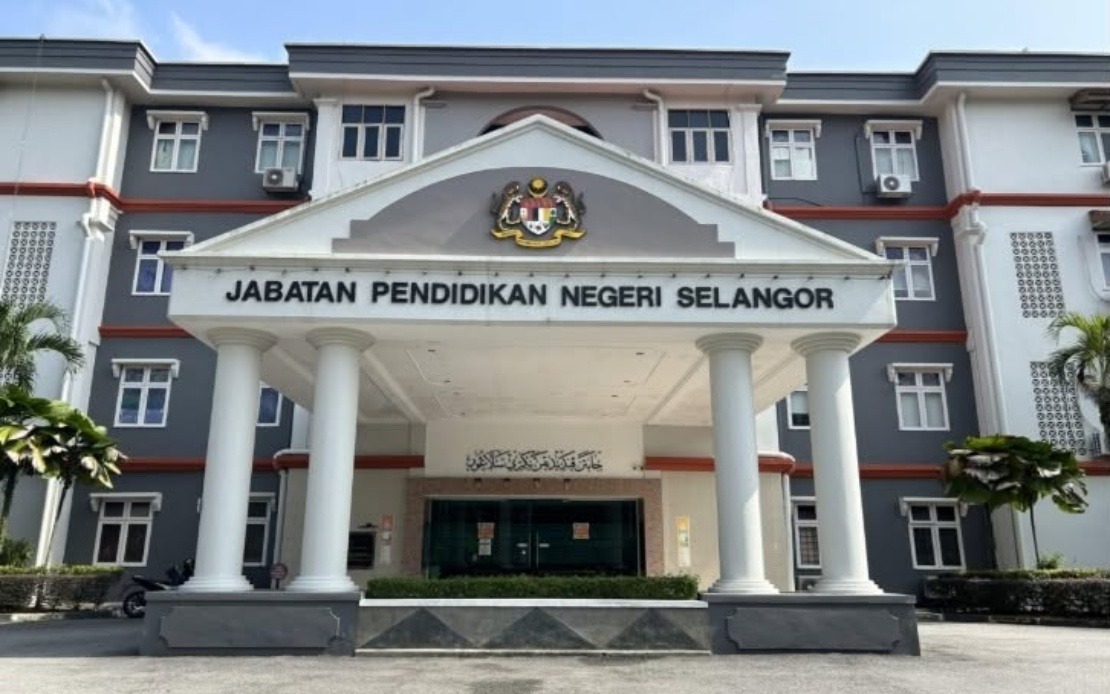
The Selangor State Education Department (JPN) has committed itself to providing comprehensive support for the ongoing police investigation into an alleged bullying incident that unfolded at a secondary school in Rawang and subsequently became the subject of intense public scrutiny after gaining traction on social media platforms. The commitment signals the department's determination to address what many view as a troubling breakdown in school safety protocols and student conduct standards within the state's education system.
In an official statement released through its communications channel, the Selangor JPN made clear that no individual—whether student, staff member, or other party implicated in the matter—would receive preferential treatment or protection during the investigative process. This assurance carries particular weight given widespread concerns among Malaysian parents about accountability in the education sector and the perception that high-profile cases sometimes receive differential treatment depending on the social or economic standing of those involved.
The department pledged that strict remedial measures would be implemented against anyone ultimately found culpable, with such action occurring within the framework of existing disciplinary regulations and educational codes of conduct. This stance represents an effort to demonstrate that the education authorities take behavioural violations seriously and are prepared to invoke consequences commensurate with the severity of misconduct established through proper investigation.
The decision to frame the incident as a matter of "student misconduct" rather than using potentially loaded terminology reflects the department's apparent wish to maintain procedural objectivity throughout the investigative phase. However, the fact that the matter attracted sufficient public concern to reach police and departmental attention underscores the gravity with which many Malaysians—particularly parents and guardians—now regard bullying within school environments.
The Selangor JPN's statement specifically emphasised that the department maintains a zero-tolerance approach toward any form of student misconduct that could compromise the physical safety, psychological well-being, or educational experience of students within its jurisdiction. Such language has become increasingly common in official pronouncements across Malaysian state education departments as concerns about bullying, harassment, and interpersonal violence among young people have escalated in recent years.
The circulation of video evidence on social media platforms transformed what might have otherwise remained an isolated school incident into a matter of public and institutional concern. The democratisation of information sharing through social networks has fundamentally altered how educational authorities must respond to behavioural issues, creating pressure for rapid, visible institutional action to maintain public confidence in school safety systems.
Central to the department's message is an appeal for public restraint and respect for the investigative process being undertaken by police authorities. This request reflects a delicate balance that educational and law enforcement agencies must maintain—acknowledging genuine community concern while guarding against trial-by-media phenomena that can prejudge outcomes before evidence has been properly examined and due process has been observed.
The involvement of police in the investigation adds a layer of seriousness beyond typical school disciplinary procedures, suggesting that the alleged bullying may have crossed thresholds that constitute potential criminal conduct rather than remaining purely within the realm of school behavioural misconduct. This development carries implications not only for those directly involved but also for how Malaysian society addresses youth violence and interpersonal harm more broadly.
For Malaysian parents and educators, the incident serves as a reminder of the persistent challenges schools face in maintaining safe learning environments where all students can develop without fear of harassment or physical harm. The Selangor JPN's commitment to full cooperation and strict accountability represents a necessary institutional response, though many observers will scrutinise the actual implementation of such assurances to determine whether outcomes genuinely reflect the stated principles of impartiality and consequences.
The timing and public profile of this case may influence how other state education departments nationwide approach similar incidents in coming months, potentially setting benchmarks for investigative transparency and institutional accountability that stakeholders will expect to see replicated across Malaysia's education system. The case also underscores broader questions about digital safety, peer behaviour standards, and the responsibilities that schools bear for protecting vulnerable populations within their care.

