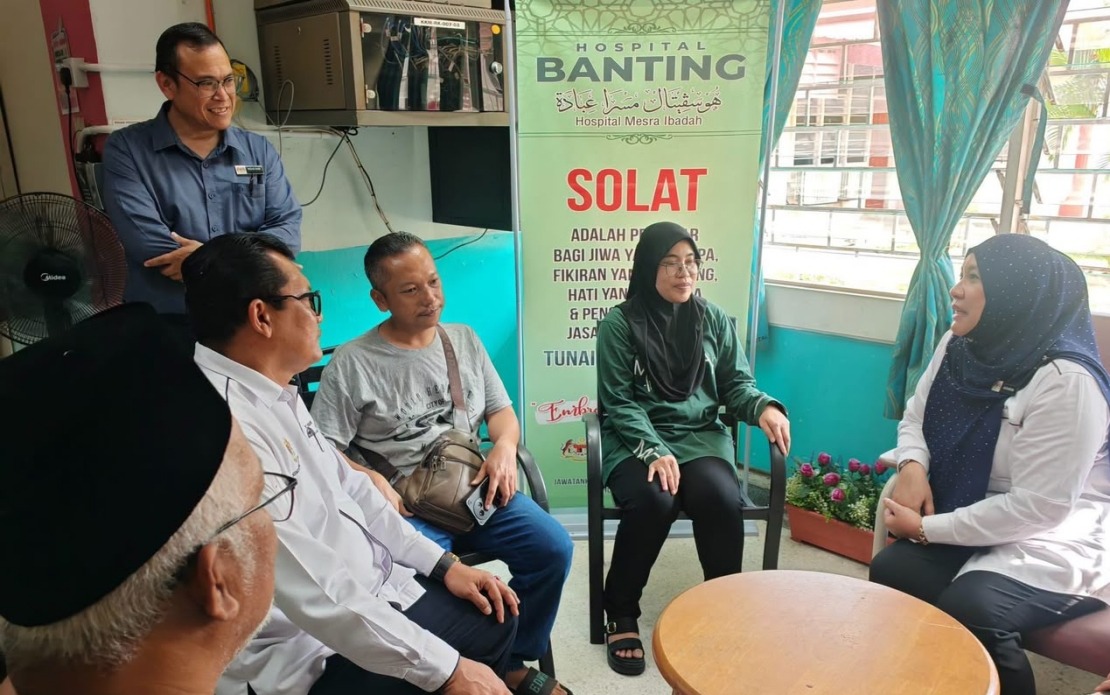
The Selangor State Education Department (JPN) demonstrated its commitment to student welfare by personally visiting a teenager hospitalised following a stabbing incident at a secondary school in Banting, Kuala Langat. The visit, conducted on July 7, was led by the department's director, Wan Nor Ashikin Abu Kassim, who travelled to Banting Hospital to offer support to the injured Form Three student and her family during their difficult period.
According to the victim's father, his 15-year-old daughter endured severe injuries in the attack, sustaining a punctured lung and suffering 16 stab wounds across her body. The gravity of such trauma cannot be understated, particularly given the victim's age and the potential long-term physical and psychological consequences of such violence. The specificity of these injury details underscores the seriousness of the incident and raises broader concerns about school safety measures across Selangor's educational institutions.
The education department's response reflected institutional concern for the student's wellbeing beyond standard protocols. During the hospital visit, Wan Nor Ashikin met directly with the student's parents to convey the department's sympathy and to reassure them of educational support moving forward. Such personal engagement by senior officials demonstrates recognition that schools are not merely academic institutions but communities responsible for student safety and welfare.
The JPN's statement emphasised ongoing cooperation with multiple stakeholders involved in addressing the aftermath of the incident. The department pledged to work alongside the victim's family, hospital staff, and relevant government agencies to ensure comprehensive support throughout the recovery process. This multi-agency approach reflects understanding that such traumatic events require coordinated responses spanning medical, educational, and potentially psychological support services.
Meanwhile, the investigation into the stabbing has progressed with law enforcement taking decisive action. The suspect, identified as another student, has been remanded in police custody for four days effective from July 7. The remand order suggests investigating officers have gathered sufficient preliminary evidence to support holding the suspect while they continue gathering information and building their case.
The incident raises critical questions about violence prevention in Malaysian schools and the underlying factors that can lead young people toward such extreme actions. Educational institutions across the nation have grappled with managing student behavioural issues, bullying, and interpersonal conflicts. Understanding what circumstances led to this Banting stabbing—whether premeditation, spontaneous conflict escalation, or other factors—will be important for developing preventive strategies.
For the broader Selangor education system, the incident presents both a challenge and an opportunity to reassess security protocols and student support mechanisms. Schools must balance maintaining open, welcoming environments conducive to learning with implementing reasonable safety measures. This might include enhanced counselling services, conflict resolution programs, and staff training in recognising warning signs of escalating student distress.
The psychological impact on the wider school community should not be overlooked. Fellow students, teachers, and staff members may experience trauma or heightened anxiety following such violence occurring within their institution. School administrators will likely need to provide trauma counselling and structured opportunities for the school community to process and recover from the incident collectively.
For Malaysian parents more broadly, such incidents generate understandable concerns about their children's safety during school hours. The visibility of the education department's response, as demonstrated by the director's hospital visit, may help reassure families that authorities take such matters seriously and are actively engaged in supporting affected students. Transparency regarding investigation progress and lessons learned can help rebuild confidence in institutional safeguarding.
The case also highlights the importance of swift police action and the remand system's role in ongoing investigations. The four-day remand allows investigators time to interview the suspect thoroughly, gather forensic evidence, and consult with medical professionals regarding the severity of injuries and weapon used. These details will inform both the investigation's direction and eventual charging decisions.
Looking forward, the Selangor JPN's continued engagement with the injured student and her family during recovery will set the tone for how the education system responds to crisis situations. The department's prayer for the student's full recovery, expressed in its public statement, reflected the human dimension often overshadowed in institutional responses to such incidents. Balancing this compassion with systemic improvements to prevent future violence remains the challenge ahead for Malaysian schools and education authorities.

