The Selangor government has initiated formal gazetting procedures for more than half of the state's 74 registered indigenous villages, signalling accelerated efforts to provide these communities with official legal recognition and associated protections. V. Papparaidu, the state's human resources and poverty eradication committee chairman, disclosed the milestone during a visit to Hulu Selangor on August 15, expressing optimism that meaningful progress will be evident before 2026 concludes. The gazetting process represents a critical step in securing land rights and development opportunities for these traditionally marginalised populations across the state.
Gazetting—the formal publication of land classifications and designations in official government records—serves as the legal foundation for indigenous communities to access government services, development funding, and land use protections. For Selangor's indigenous populations, this process has historically proceeded unevenly, leaving many villages in administrative limbo despite decades of habitation. The current push to gazette over half the listed villages reflects a shift in state-level policy toward recognising these settlements and their residents' rights, though the exercise remains incomplete and faces considerable bureaucratic obstacles.
The gazetting initiative, however, confronts a significant structural challenge. Several indigenous villages occupy land officially classified as Malay reserved land—a designation that creates competing claims and regulatory conflicts. These overlapping designations complicate the administrative process, as gazetting indigenous villages requires coordinating with multiple government departments and navigating complex land tenure frameworks established under different regulatory regimes. The state government has signalled its intention to work with district officers to untangle these zoning conflicts, though no specific timeline or methodology for resolution has been publicly detailed.
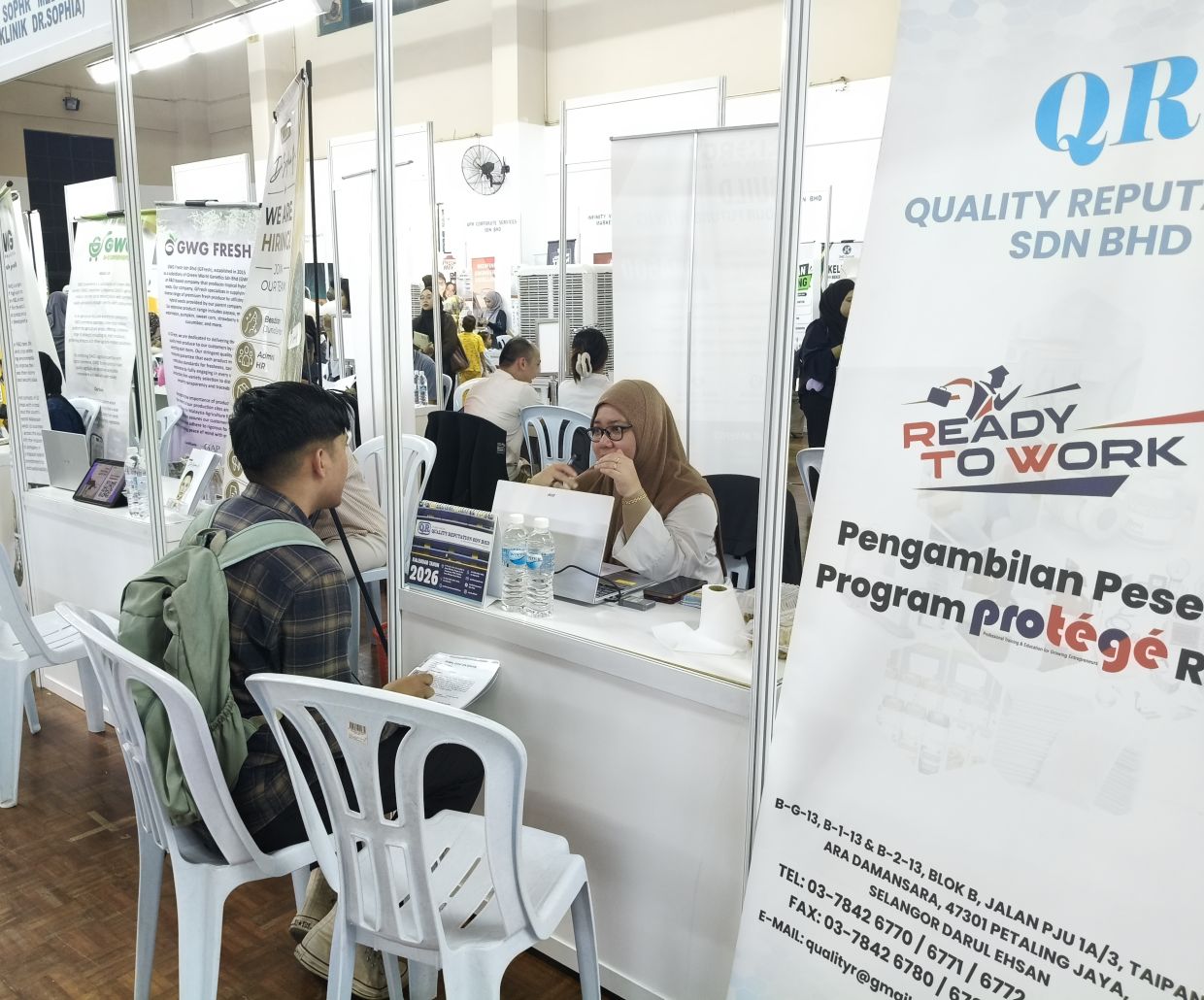
Beyond land formalisation, Selangor's government has positioned skills development and employment as complementary strategies for raising living standards within indigenous communities. Papparaidu highlighted the JobCare Selangor job carnival, held concurrently with the Jelajah Wanita Berdaya Tahan Selangor 2026 initiative, which offered 5,785 positions across 38 participating employers. This represents a deliberate attempt to create immediate income-earning opportunities for marginalised populations, particularly women, while longer-term land recognition processes unfold.
The employment landscape revealed by the carnival underscores both opportunities and disparities. Manufacturing dominated the available positions, accounting for 2,560 vacancies—reflecting Selangor's industrial character but also limiting diversity in career pathways. Notably, nearly two-thirds of the advertised roles offered monthly compensation exceeding RM2,500, positioning the carnival as a potential genuine pathway toward middle-income employment rather than merely low-wage informal work. For those with managerial qualifications, salaries ranged from RM8,000 to RM10,000 monthly, significantly above the Malaysian median income but requiring educational credentials many indigenous workers currently lack.
This employment-skills disconnect has prompted the Selangor government to expand technical education offerings through the Selangor Technical Skills Development Centre. The state's recent assistance to twenty to thirty unqualified schoolteachers illustrates the broader challenge: many individuals entered essential professions without formal tertiary qualifications, typically due to economic necessity rather than choice. By enabling these educators to obtain a Malaysian Skills Certificate Level 4—equivalent to diploma status—through a compressed three-month programme, the government demonstrated that accreditation gaps could be addressed relatively swiftly, with direct salary implications for participants.
The career support infrastructure extended beyond conventional job placement. Talent Corporation Malaysia Berhad's participation introduced a career comeback programme specifically targeting mothers seeking workforce re-entry, acknowledging that caregiving responsibilities create employment disruptions disproportionately affecting women. The Social Security Organisation's resume review service provided technical professional guidance at no cost, reducing barriers to formalising job applications. These supplementary services recognise that employment barriers for marginalised populations encompass not merely vacancies but also information asymmetries and confidence deficits in navigating formal recruitment processes.
For Malaysian policymakers and development practitioners, Selangor's integrated approach—combining land tenure formalisation with skills development and immediate employment facilitation—offers a practical model for addressing multidimensional poverty and social marginalisation. Indigenous communities throughout Southeast Asia confront similar overlapping challenges: legal recognition, economic opportunity, educational access, and gender-specific barriers. The state's decision to pursue gazetting alongside employment activation suggests recognition that formal rights and income-generating capacity must develop in tandem rather than sequentially.
Nevertheless, significant obstacles remain. The gazetting process, despite representing progress, remains incomplete for nearly half of registered villages, with no definitive completion date established. The land zoning complications, while acknowledged, lack transparent resolution mechanisms or timelines. Employment carnival opportunities, though substantial in number, offer only temporary openings and cannot absorb the entire unemployed population within indigenous communities indefinitely. Sustained commitment to expanding the Selangor Technical Skills Development Centre's capacity and coverage will be essential for translating job availability into actual employment gains.
Looking forward, the sustainability of these initiatives depends on sustained political will and adequate resource allocation. Gazetting processes are administratively intensive, requiring coordination across multiple district and state agencies. Skills development programmes demand ongoing funding, instructor recruitment, and curriculum adaptation to evolving market demands. Employment support services, while cost-effective compared to income transfer schemes, require permanent institutional structures rather than episodic interventions. For indigenous communities in Selangor and beyond, the coming months will reveal whether this latest policy emphasis represents genuine structural reform or another well-intentioned cycle of incomplete initiatives.

