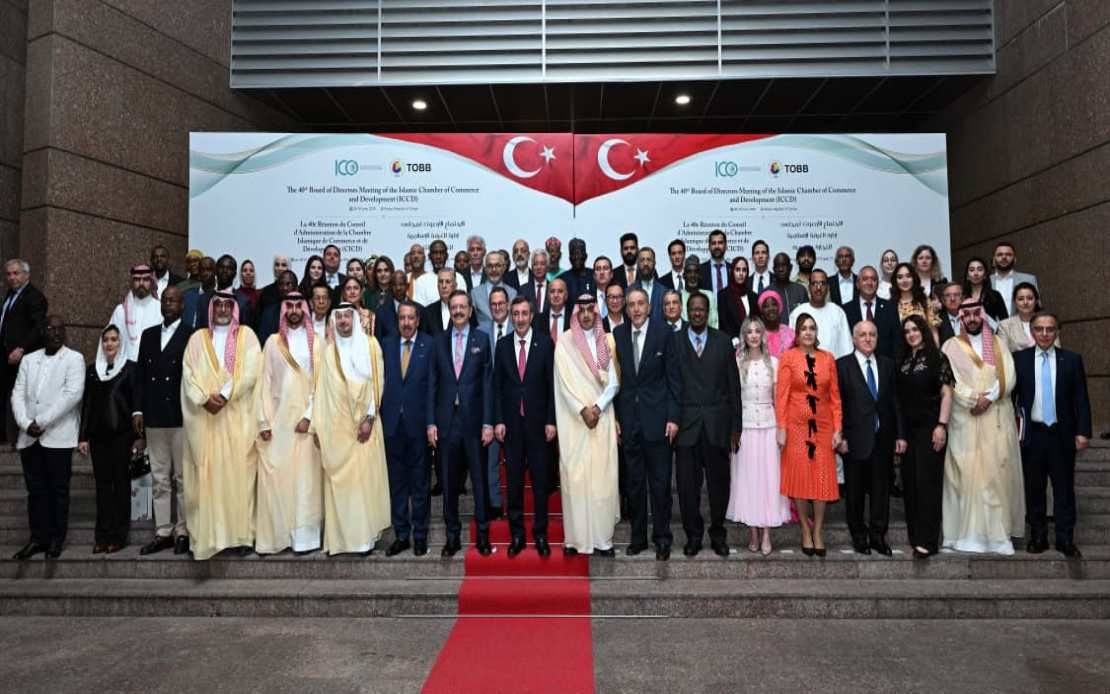
Saudi Arabia's top business and Islamic commerce officials have appealed for enhanced economic cooperation with Muslim-majority nations across the region, identifying Malaysia as a strategic partner in building stronger intra-Islamic trade networks. The call came during high-level meetings in Ankara, Turkiye, where Abdullah Saleh Kamel, chairman of the Federation of Saudi Chambers and president of the Islamic Chamber of Commerce and Development, underscored the urgency of deepening ties among Islamic economies.
The Federation of Saudi Chambers, representing the Saudi private sector, participated in the 40th ICCD Board of Directors Meeting and the 72nd Finance Committee Meeting as part of the Kingdom's sustained commitment to the organization since its inception. Saudi Arabia has long positioned itself as one of the ICCD's most influential supporters, leveraging this role to advocate for policies that expand commerce and investment flows among member nations. This diplomatic initiative reflects Riyadh's broader strategic ambitions to strengthen its economic influence across the Islamic world while fostering shared prosperity.
The emphasis on countries like Malaysia and Indonesia signals recognition of their pivotal roles in Southeast Asian economics and their growing importance within the broader Muslim-majority economic bloc. Both nations represent dynamic markets with substantial private-sector activity, large youth populations entering the workforce, and increasingly sophisticated digital economies. For Malaysia specifically, the appeal highlights its position as a regional financial hub and a bridge between South and East Asia, making it valuable to Saudi Arabia's vision of seamlessly integrated Islamic commerce.
According to statements from the meetings, sustainable agriculture, food security, and youth entrepreneurship emerged as priority areas requiring coordinated action. These challenges resonate particularly strongly across Southeast Asia, where demographic shifts and climate pressures are reshaping agricultural productivity and creating both obstacles and opportunities for young entrepreneurs. Malaysia's advanced agricultural sector and established startup ecosystem position it well to benefit from collaborative frameworks that the ICCD seeks to establish.
The organization has identified intra-Islamic trade expansion and investment promotion as cornerstone objectives for strengthening economic integration among member states. This represents a deliberate pivot toward building self-sufficient, mutually reinforcing economic relationships that reduce dependence on external markets and create insulated commercial ecosystems. The strategy carries implications for Malaysian businesses, potentially opening new export pathways and investment opportunities across the Islamic world while fostering competition and innovation within these networks.
Regional trade connectivity emerged as a central theme during the board's deliberations, acknowledging that physical infrastructure, digital systems, and regulatory harmonization remain critical bottlenecks limiting commerce flow. Malaysia, with its well-developed port facilities and digital infrastructure, stands positioned to serve as a logistics and financial nexus for expanded Islamic commerce. The Saudi-led push for connectivity improvements could accelerate regional supply chain integration and reduce transaction costs for Malaysian exporters and importers trading with other Muslim-majority economies.
The discussions also centered on job creation and quality employment opportunities for youth across Islamic nations. With youth unemployment remaining elevated in many regions and skills mismatches persisting, the ICCD's focus on entrepreneurship support and skills development carries direct relevance to Malaysia's own demographic challenges. Creating pathways for Malaysian entrepreneurs to access capital, markets, and expertise across the Islamic world could help retain talent and redirect ambitions toward regional opportunities.
Beyond immediate commercial considerations, the initiative reflects deeper geopolitical dimensions as Islamic nations seek to build parallel economic structures that enhance their collective bargaining power and reduce vulnerability to external pressures. For Malaysia, participation in strengthened Islamic trade networks could enhance its diplomatic influence while diversifying economic relationships beyond traditional Western markets and China.
The ICCD Board also looked ahead to the organization's golden jubilee celebrations scheduled for 2027, signaling that long-term institutional development and expanded membership remained on the agenda. Malaysia's central role in these forward-looking discussions suggests Saudi Arabia views Malaysian leadership as essential to realizing the vision of an integrated Islamic economic community. This recognition could translate into expanded investment flows and technical cooperation in coming years.
Implementation of existing projects and programmes aimed at fostering development cooperation among Islamic countries will accelerate under this renewed commitment. Malaysian policymakers will likely evaluate how domestic regulations and incentives can align with ICCD frameworks while protecting national interests. The challenge lies in balancing enthusiasm for Islamic economic cooperation with pragmatic assessments of which initiatives generate genuine competitive advantage versus those that primarily serve symbolic or diplomatic purposes.

