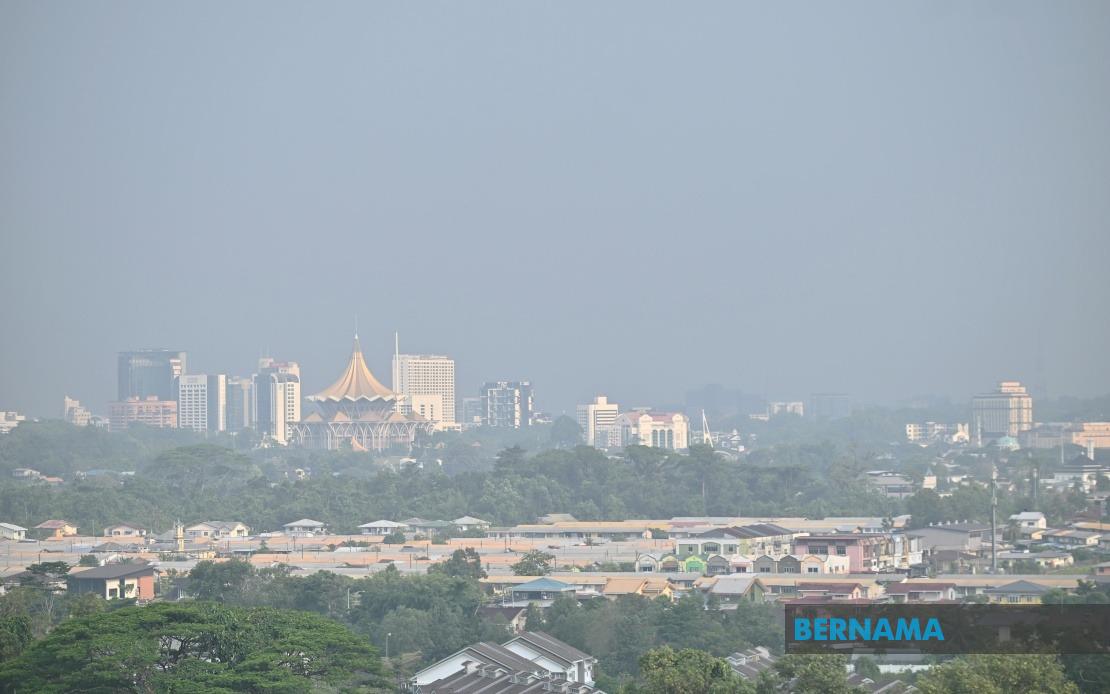
Malaysia's Meteorological Department has warned that Sarawak and surrounding areas of Borneo will experience an extended period of hot, dry weather lasting until August 20, creating conditions conducive to haze formation and significantly reduced air visibility in the region. The persistence of these climatic patterns reflects the influence of southerly wind systems coupled with the continued presence of numerous hotspots across the island, a combination that elevates the risk of transboundary air pollution affecting not only Sarawak but potentially neighbouring regions as well.
As of mid-morning on August 14, the Air Pollutant Index Management System recorded ten locations nationwide registering unhealthy air quality readings, with the overwhelming majority concentrated in Sarawak. This concentration underscores the particular vulnerability of the state to air quality degradation during periods of sustained heat and reduced atmospheric circulation. The southern portions of Sarawak appear especially susceptible to visibility impairment and haze accumulation, suggesting that communities and businesses in these areas should prepare for potential disruptions to transportation and outdoor activities.
The meteorological conditions driving this forecast represent a familiar pattern in the region's seasonal climate dynamics. Southerly winds, when combined with elevated surface temperatures and moisture retention patterns, create atmospheric stagnation that traps particulate matter close to ground level. The presence of active hotspots—which meteorologists attribute to land clearing, agricultural burning, or other human activities—injects smoke and pollutants directly into an already stagnant atmospheric layer, compounding air quality degradation and reducing visibility to dangerous levels in some areas.
The timing of this extended heat spell carries particular significance for Malaysia's eastern states, as August typically represents a transitional period in the regional monsoon cycle. The persistence of southerly winds through August 20 suggests that the normal progression toward the Southwest Monsoon may be delayed or subdued, maintaining conditions that favour haze accumulation. Residents in affected areas, particularly those with respiratory conditions, elderly persons, and young children, should remain vigilant about air quality forecasts and take appropriate precautions.
Simultaneously, the Malaysian Meteorological Department issued separate thunderstorm and heavy rain warnings for much of the peninsula's western coast, including all of Perlis, Kedah, Penang, and Kuala Lumpur, with forecasts extending through early afternoon on the day of the announcement. Several districts across northern Perak—Kerian, Selama, Larut Matang, Manjung, and Bagan Datuk—were placed under alert status, along with multiple Selangor localities encompassing Sabak Bernam, Kuala Selangor, Klang, Petaling, Gombak, and Hulu Selangor. This dual weather pattern highlights the meteorologically distinct conditions affecting different regions of the country simultaneously.
The contrast between Sarawak's prolonged heat and dryness and the peninsular coastal regions' thunderstorm activity reflects the complex interplay of monsoon systems and regional pressure gradients during the transition between major seasonal weather patterns. While Sarawak's southerly flows suppress rainfall development, the peninsula's western exposure to afternoon convection and local heating generates the afternoon thunderstorm activity typical of this season. For economic sectors such as agriculture, transportation, and tourism, these divergent conditions necessitate region-specific contingency planning.
The implications for air quality management extend beyond immediate public health concerns. Prolonged haze episodes trigger economic costs through reduced visibility affecting aviation and maritime operations, health expenditures for respiratory-related medical treatment, and productivity losses as workers reduce outdoor activities or face air quality-related health impacts. Schools may restrict outdoor activities, and construction projects may face weather-related delays. Businesses dependent on tourism face potential customer deterrence from poor air quality and visibility conditions.
The meteorological department's advisory emphasizes the importance of real-time weather monitoring through official channels including the MetMalaysia website, social media platforms, and the myCuaca mobile application. These tools provide continuously updated information essential for individuals, businesses, and public agencies to make informed decisions regarding outdoor activities, transportation choices, and workplace arrangements. The public health and safety implications of haze episodes make timely, accurate forecasting and broad public awareness essential components of risk management.
For Malaysian and regional stakeholders, the August 14-20 forecast period represents a reminder of the interconnected nature of environmental challenges across Southeast Asia. Air quality degradation in Sarawak can have transboundary implications, potentially affecting neighbouring areas in Brunei and Indonesian Borneo. Regional cooperation on environmental monitoring, hotspot suppression, and sustainable land management practices remains crucial for managing these recurring seasonal air quality challenges. Individuals and organisations should remain informed, prepared, and ready to implement protective measures as conditions evolve through mid-August.

