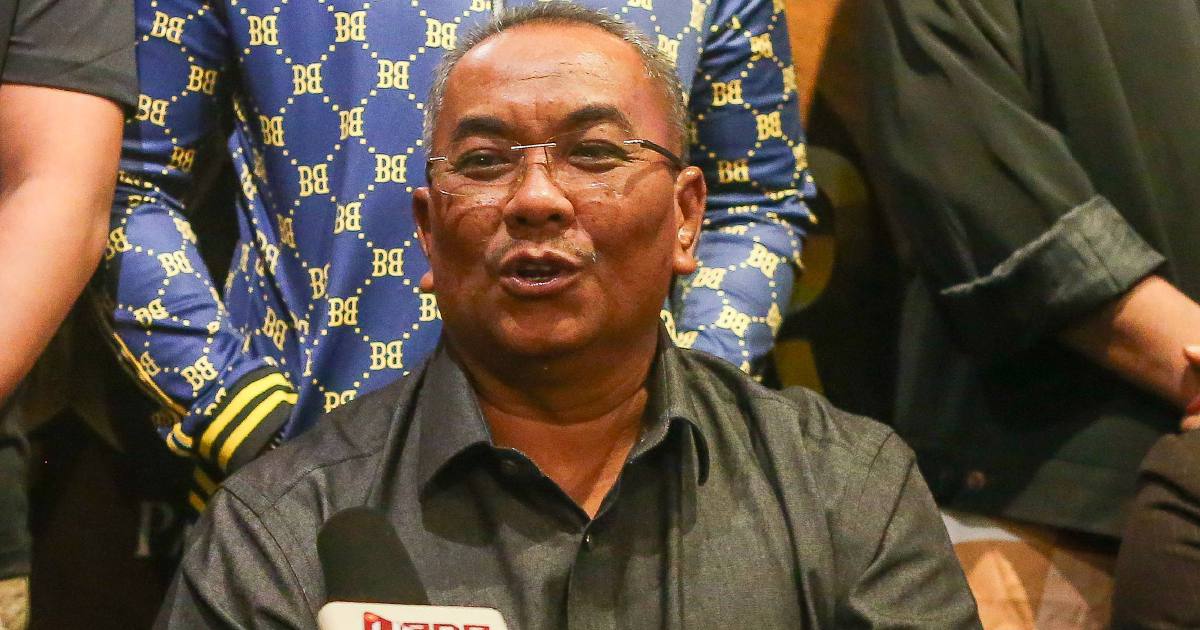
Kedah Menteri Besar Datuk Seri Muhammad Sanusi Md Nor has taken legal action against DAP deputy chairman Nga Kor Ming and two other individuals, issuing formal letters of demand that centre on allegations of distorted statements attributed to him at a recent ceramah held in Negri Sembilan. The move marks an escalation in political tensions between the state leader and opposition figures, demonstrating the increasingly litigious nature of Malaysian political discourse.
The letters of demand represent a significant legal escalation in what appears to have been a dispute over the public interpretation and communication of remarks made by Sanusi during the religious and political gathering. Such formal legal instruments are typically issued as a precursor to potential defamation or libel proceedings, serving notice that the recipient faces financial liability if the allegations are substantiated in court. The deployment of this legal mechanism underscores the seriousness with which Sanusi regards the alleged misrepresentation of his words.
Nga Kor Ming, as deputy chairman of the Democratic Action Party, occupies a significant position within one of Malaysia's most prominent opposition coalitions. His involvement in this dispute carries implications beyond the individuals concerned, potentially reflecting broader friction between the ruling administration in Kedah and the opposition political machinery operating at both state and national levels. The targeting of a senior opposition figure suggests that the disagreement has transcended routine political banter to enter the realm of formal legal recourse.
The ceramah referenced in the dispute—a format deeply embedded in Malaysian political culture—appears to have been the source of controversy regarding what Sanusi said and how his comments were subsequently characterised by his accusers. These gathering often feature passionate rhetoric and rapid dissemination of statements through social media channels, creating fertile ground for disputes over accurate representation. The precise nature of Sanusi's original remarks and the manner in which they were allegedly distorted remains a matter of contention that will likely be examined through the legal process.
The inclusion of two additional individuals alongside Nga in the letters of demand suggests a coordinated effort to challenge Sanusi's statements, raising questions about whether this represents an organised opposition response or separate actions that happened to focus on the same comments. The identities and roles of these other recipients may provide insight into how the alleged misrepresentation was circulated and amplified across different political networks or media platforms.
For Malaysian observers accustomed to robust political discourse, the recourse to formal legal action reflects a broader trend within the country's political culture where politicians increasingly utilise the court system to address perceived slights or misstatements. This approach differs markedly from prior eras when such disputes might have been resolved through parliamentary debate, media responses, or political pressure. The shift toward legal remedies carries implications for political expression and freedom of speech within Malaysia's democratic framework.
The timing and context of this action within Kedah's political landscape merit consideration. As the state approaches various electoral cycles and political realignments, disputes over public statements and their interpretation assume heightened significance. Sanusi's position as Menteri Besar provides him with substantial institutional resources, including access to government communications apparatus and legal counsel, which may influence the dynamics of such disputes.
The potential consequences of this legal action extend beyond immediate financial settlements or retractions. Should the letters of demand escalate into formal court proceedings, they could establish precedent regarding how Malaysian courts adjudicate disputes over political speech and the boundaries between legitimate criticism and actionable misrepresentation. Such cases often attract substantial public and media attention, potentially amplifying the original dispute far beyond its initial circulation.
For opposition figures and political commentators across Southeast Asia, this development illustrates the legal terrain navigated by those critical of sitting officials. The deployment of letters of demand as political tools raises substantive questions about whether such mechanisms serve legitimate interests in protecting reputation or function as instruments of political suppression. The burden of defending against such claims, even where statements may ultimately be vindicated, imposes costs on political opponents.
The broader implications for Malaysian political culture suggest an environment where legal proceedings increasingly supplement or replace traditional avenues of political contestation. This shift may influence how politicians craft their public statements and the willingness of opposition figures to engage in direct criticism of government leaders. The precedent established through this case may shape political conduct across multiple levels of Malaysian governance.
Stakeholders monitoring developments in Malaysian politics will observe how courts ultimately adjudicate such disputes and whether legal action becomes an increasingly common tool within the political arsenal. The outcome of this particular case involving Sanusi, Nga, and their associates may influence future conduct by political figures confronted with allegations of misstatement or misrepresentation. The intersection of free expression, political accountability, and legal remedies remains a defining feature of contemporary Malaysian political dynamics.

