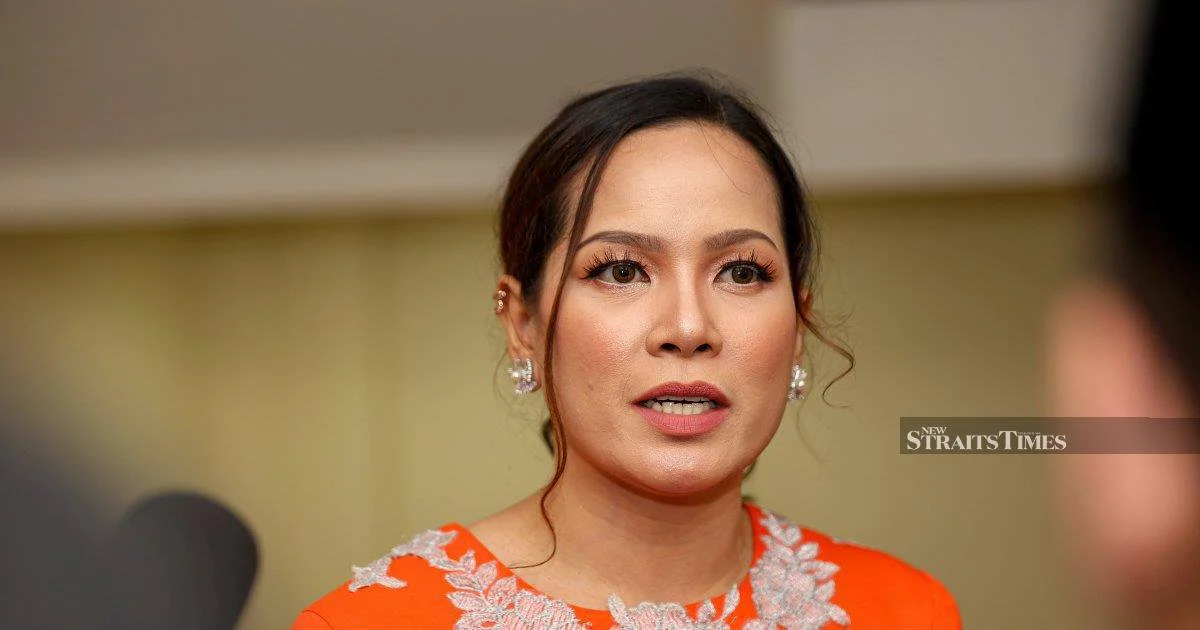
Kuala Lumpur-based actress Salina Saibi has moved swiftly to quash mounting speculation that she played any role in the recent detention of a female performer from a well-known police procedural drama series. The unnamed actress was apprehended after allegedly producing a positive result on drug testing, triggering a wave of gossip across social media and entertainment circles about potential connections between the two actresses.
The timing of Saibi's public denial suggests the speculation has gained sufficient traction to warrant a formal response. In Malaysia's tightly-knit entertainment industry, such unsubstantiated claims can rapidly damage professional reputations and create lasting rifts within production circles. The entertainment sector remains particularly susceptible to rumour-mongering, with social media amplifying conjecture far beyond its initial source or credibility.
The incident highlights recurring challenges faced by the Malaysian film and television industry regarding substance abuse allegations and the media circus that typically accompanies celebrity arrests. Over recent years, multiple high-profile cases have demonstrated how quickly narratives can become distorted as they circulate through informal networks and online platforms, often obscuring the actual facts and circumstances of any investigation.
Police drama productions constitute a significant portion of Malaysian television's local content offering, with several series maintaining dedicated viewer bases across both traditional broadcast and streaming platforms. These programmes frequently feature ensemble casts where cast members develop considerable screen presence, potentially inviting closer public scrutiny of their personal lives and professional relationships. The sector remains economically important for the local creative industry, employing hundreds of crew members and supporting associated production services.
For actresses navigating the Malaysian entertainment landscape, managing public perception has become increasingly essential. The combination of traditional media coverage, celebrity gossip columns, and aggressive social media speculation creates an environment where rumours can flourish rapidly. Saibi's preemptive statement reflects a contemporary strategy of directly addressing conjecture rather than allowing it to persist unanswered.
The broader context of drug-related arrests within Malaysia's entertainment sphere reveals a recurring pattern that periodically generates public discourse around substance abuse, rehabilitation, and the personal pressures facing performing artists. The authorities maintain strict enforcement of drug legislation, with testing procedures forming part of standard police investigations. These cases often become cultural flashpoints, prompting wider conversations about celebrity culture, mental health support systems, and industry accountability mechanisms.
The arresting actress's involvement in a police drama series adds an ironic dimension to the situation, as such programmes typically emphasise law enforcement procedures and consequences of criminal activity. This juxtaposition between on-screen narratives and real-world legal consequences frequently resonates with audiences and media commentators alike, generating additional media interest beyond what might typically accompany standard entertainment news.
Salina Saibi's career has encompassed various television and film projects within the Malaysian media landscape. Her swift response to the circulating rumours demonstrates awareness of how unaddressed speculation can calcify into accepted narrative within industry circles. The deliberate distancing also protects her professional standing amid ongoing production partnerships and future casting considerations, where association with controversy—even tangential—can create complications.
The incident underscores ongoing tensions between media freedom, privacy rights, and responsible reporting within Malaysia's entertainment journalism. While public figures accept heightened scrutiny as part of their professional status, distinguishing between legitimate news and unfounded speculation remains crucial for maintaining industry credibility. The responsibility falls partly on journalists to verify information before publication and partly on social media consumers to exercise critical thinking regarding unconfirmed allegations.
For the broader entertainment ecosystem, cases like this serve as reminders of the vulnerability of performers to reputational damage through association alone. Industry professionals increasingly employ publicists and legal advisors to navigate complex media environments where context frequently matters less than headline-grabbing accusations. The situation reflects how modern fame intersects with digital communication technologies, creating unprecedented challenges for managing professional identity and public narrative.
Moving forward, the incident likely reinforces existing industry conversations about safeguarding mechanisms, mental health support services, and rehabilitation pathways for performers facing substance-related challenges. While enforcement remains appropriate, discussion continues regarding whether entertainment industry structures adequately support performers confronting personal difficulties before situations escalate to legal intervention.

