The Sabah state government and its state-owned development bank have taken the significant step of suing Ernst & Young PLT for over RM2 billion in the Kuala Lumpur High Court, marking a forceful assertion of financial accountability in one of Malaysia's economically strategic states. The legal action, filed in early August, names the state government itself, Chief Minister Datuk Seri Hajiji Noor, Sabah Development Bank Berhad (SDB), and SDB Corporation Sdn Bhd as plaintiffs, targeting the global audit firm's handling of the bank's financial statement audits spanning the 2011 to 2022 period. The scope of this claim reflects the scale of financial irregularities or oversights that authorities believe went undetected during Ernst & Young's tenure as statutory auditor.
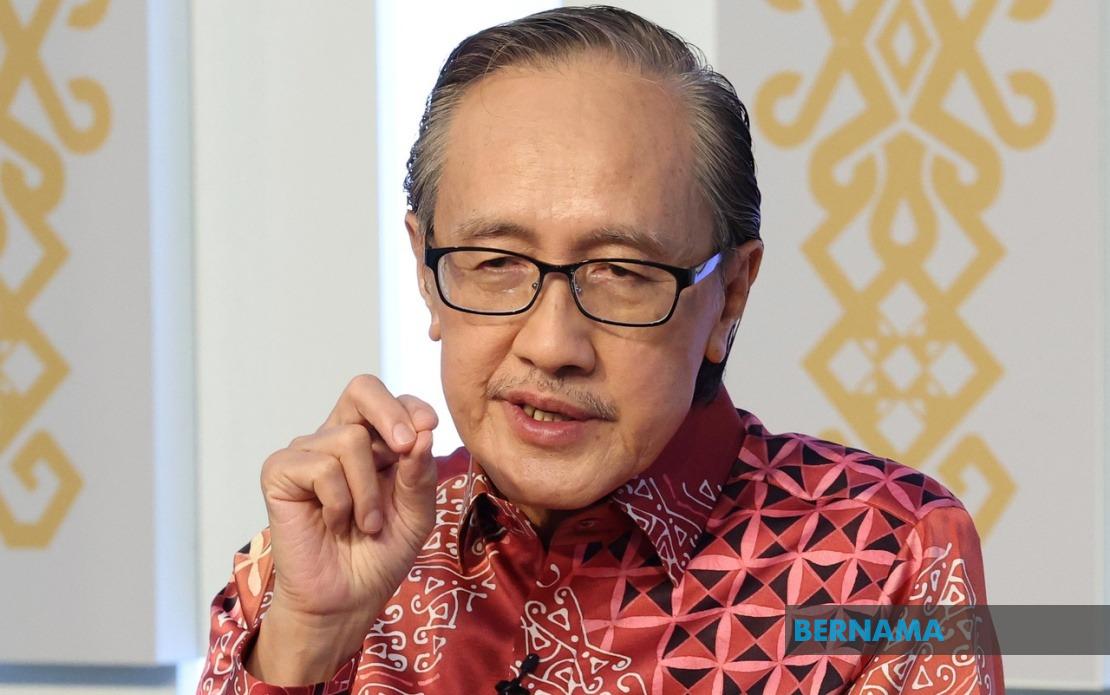
Deputy Chief Minister II Datuk Seri Masidi Manjun, who concurrently holds the Finance Ministry portfolio, framed the lawsuit as emblematic of Sabah's resolute stance on transparent governance and fiscal responsibility. Speaking at a press conference in Kota Kinabalu, Masidi characterised the legal proceedings as part of a broader institutional commitment to protecting the state's treasury and ensuring proper management of public resources. His remarks positioned the action not as isolated litigation but as evidence of a government willing to pursue accountability regardless of the defendant's prominence or international standing. This framing carries weight in Malaysia's corporate governance landscape, where multinational audit firms occupy positions of considerable influence and where challenging their work can attract scrutiny.
The substance of Sabah's allegations centres on what the state contends was a breach of duty of care by Ernst & Young during its statutory audits. According to the statement of claim, the audit firm's failure to conduct adequately rigorous examinations permitted SDB's true financial position to remain obscured for an extended period. This assertion raises important questions about the adequacy of audit procedures applied to state-owned enterprises and whether standard audit protocols were sufficient to capture material issues affecting the bank's balance sheet and operational viability. For Malaysian policymakers and regulatory bodies monitoring governance standards, the case underscores the critical role auditors play in preserving confidence in public financial institutions.
Sabah Development Bank, as a state-owned vehicle for regional economic development, occupies a strategic position within Sabah's fiscal architecture. Its health directly influences the government's capacity to fund infrastructure, social programmes, and economic initiatives across the state. When auditors fail to identify deteriorating financial conditions within such an entity, the consequences extend beyond the bank itself to constrain overall government operations and limit available capital for developmental purposes. The timing of the audit period—spanning from 2011 through 2022—encompasses Sabah's transition through multiple political administrations and economic cycles, suggesting that potential financial problems may have accumulated across different governance phases without adequate early detection.
Masidi's comments emphasise that the state government views this litigation as demonstrating openness rather than evasiveness, a rhetorical position that reflects awareness of how such lawsuits are often perceived. By framing the action as evidence of transparency, Sabah's leadership seeks to position itself as a government willing to publicise and pursue remedies for institutional failures rather than obscuring them. He stressed that the lawsuit targets audit failings regardless of the auditor's identity, suggesting a principle-based approach rather than selective enforcement. This messaging matters for investor confidence and for international perceptions of Sabah's governance maturity, particularly as the state competes for both domestic and foreign investment capital.
The decision to litigate rather than seek administrative or regulatory remedies through Malaysia's relevant oversight bodies indicates the severity with which Sabah treats the alleged breaches. Pursuing a civil claim in the High Court rather than through, for instance, the Malaysian Institute of Accountants or the Securities Commission suggests confidence in the legal merits of the case and a conviction that financial compensation represents the appropriate remedy. For Ernst & Young, the lawsuit presents a reputational and financial challenge, particularly given the firm's global standing and the potential for the case to influence perceptions of audit quality within Southeast Asia's developing economies.
The implications of this litigation extend beyond Sabah's borders to influence Malaysian attitudes toward audit accountability more broadly. As regional governments increasingly scrutinise the quality and diligence of financial audits affecting state-owned institutions, precedent-setting judgments carry outsized importance. A successful outcome for Sabah could embolden other states or entities to pursue similar claims where audit failures are suspected, potentially raising standards across the industry. Conversely, should Ernst & Young prevail, it may reinforce existing limitations on liability exposure for audit firms, affecting incentive structures for thoroughness.
Masidi's additional observation that Sabah has sued creditors comprehensively appears designed to preempt accusations of selective targeting or political motivation. By emphasising that enforcement applies uniformly to all parties, he suggests an administration committed to institutional integrity over expedience. This approach gains relevance in Malaysia's political context, where governance matters frequently intersect with factional disputes and perceptions of fairness influence public confidence in state institutions. The remark serves to inoculate the government against criticism that might otherwise characterise the lawsuit as partisan or motivated by factors beyond legitimate financial stewardship.
The financial magnitude of the claim—exceeding RM2 billion—reflects not merely compensatory damages but potentially encompasses consequential losses, reputational harm, and costs associated with remediating the consequences of audit failures. Such a substantial claim signals that Sabah's government believes the audit deficiencies produced material adverse impacts on the state's financial position. For Malaysian taxpayers and citizens concerned with fiscal prudence, the case raises fundamental questions about who ultimately bears responsibility when institutional safeguards fail. If Ernst & Young's audits were indeed inadequate, the costs of that inadequacy have ultimately fallen on Sabah's citizens through constrained public resources and compromised economic capacity.
Looking forward, Masidi indicated that the government will await the court's determination while continuing to emphasise its commitment to sound financial management and stronger governance frameworks. His decision to discuss the matter publicly signals confidence in the state's legal position while also maintaining measured expectations about litigation timelines. The court process will likely consume considerable time and resources, with discovery phases potentially illuminating broader questions about audit standards, the specific procedures Ernst & Young employed, and the adequacy of professional judgment applied during critical examination periods.
For Southeast Asia's governance landscape, Sabah's action carries symbolic weight beyond the immediate financial dispute. It demonstrates that state governments increasingly view audit firms not as beyond reproach but as service providers subject to accountability standards. As Malaysia and the region continue strengthening institutional frameworks and transparency mechanisms, high-profile litigation of this nature serves to clarify expectations and boundaries. The outcome may influence how other Malaysian states approach similar governance challenges and may prompt reflection within audit firms about the rigour demanded of them when examining state-owned enterprises across the region.

