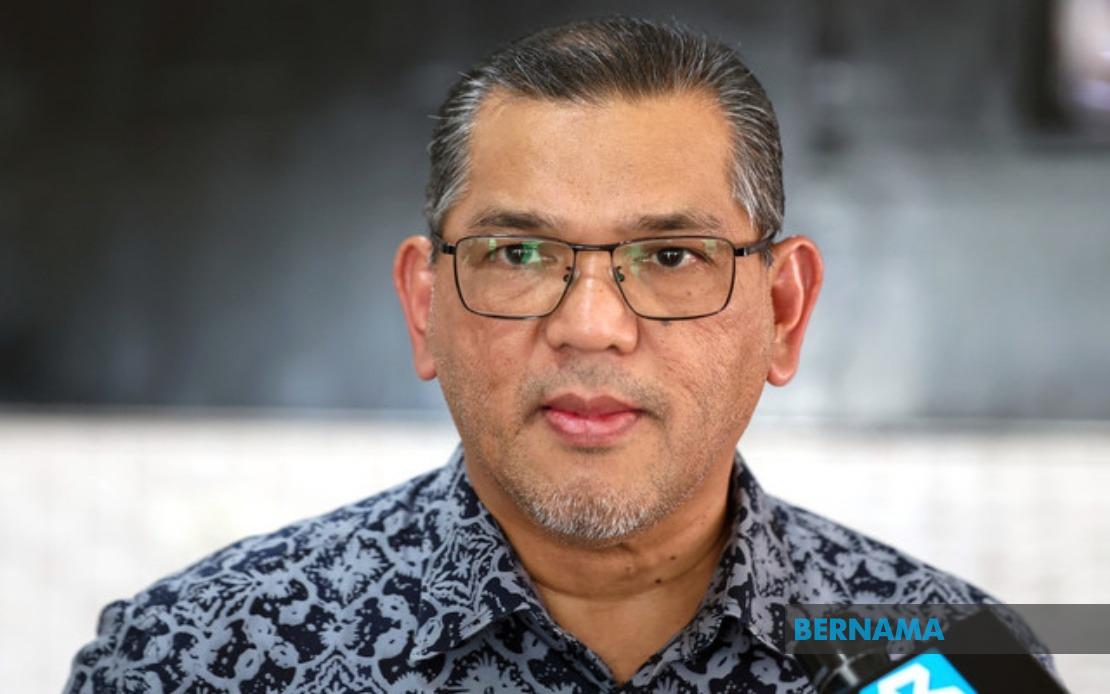
The Sabah Youth Entrepreneur Scheme has emerged as a significant driver of youth economic empowerment in the state, with Sabah Youth, Sports Development and Creative Economy Minister Datuk Nizam Abu Bakar Titingan confirming that 6,951 young people have accessed assistance totalling RM21 million since the initiative's introduction in 2022. The programme has grown steadily to become a cornerstone of the state government's youth development agenda, with recipients distributed across constituencies including 64 entrepreneurs in Nabawan alone.
The diversity of enterprises supported under the scheme underscores its broad-based approach to youth employment creation. Participants have ventured into varied sectors spanning traditional agriculture, modern food production, personal care manufacturing, and digital commerce. Several beneficiaries have transcended domestic market constraints, successfully exporting their products internationally and establishing themselves as regional players within their respective niches. This geographical expansion of small businesses demonstrates how targeted government financing can catalyse broader economic participation beyond Sabah's major urban centres.
Notable recipients highlighted by the ministry illustrate the scheme's effectiveness across different business models. Amran Jining from Keningau has built a hydroponic vegetable farming operation, capitalising on the state's growing demand for locally-produced fresh produce whilst reducing reliance on imports. Erliana Said operates a specialised bakery in Tawau, focusing on artisanal bread, cakes and pastries to serve both local and tourist markets. Sitti Fatimah Janna has developed a foothold in the cosmetics sector, tapping into the region's expanding personal care market. These examples reflect how SYABAS recipients are not simply creating employment but fostering value-added production that enhances Sabah's economic resilience.
Beyond initial capital provision, the ministry's post-disbursement support structure distinguishes SYABAS from traditional microfinance programmes. The scheme incorporates systematic coaching, ongoing monitoring, and capacity-building activities designed to improve entrepreneurial competency and business sustainability. This holistic approach acknowledges that access to funds alone does not guarantee success; emerging entrepreneurs require guidance in financial management, marketing strategy, supply chain logistics, and operational scaling. By maintaining a comprehensive database of recipients, the ministry can tailor support interventions to individual business trajectories and sectoral needs.
Strategic partnerships have amplified the scheme's ecosystem benefits. Collaborations with government agencies, vocational training institutions, and private sector organisations create pathways for skill development and market linkages that extend beyond initial funding. These coalitions expand training and employment opportunities across priority economic sectors including tourism, agriculture, industrial production, construction, logistics, aquaculture, fisheries, digital services, and the creative economy. For Malaysian observers, this multi-sector approach mirrors national skills development strategies yet reflects Sabah's distinct economic geography and comparative advantages.
The Visit Sabah Year 2027 campaign provides a complementary platform for youth entrepreneur visibility and market expansion, according to Sabah Tourism, Culture and Environment Assistant Minister Dr Andi Md Shamsureezal Mohd Sainal. Rather than treating tourism promotion as a separate policy domain, the state government is integrating small business participation into the campaign's architecture. This integration signals recognition that sustainable tourism depends upon inclusive value chain development rather than benefits concentrated among large hotel chains and established tour operators.
The four-pillar framework underpinning Visit Sabah Year 2027—centring on culture, adventure, nature, and sustainability—creates explicit space for youth-led enterprises. Community-based tourism products, local handicrafts, food and beverage establishments, and transport services constitute integral components of the visitor experience. Young entrepreneurs trained under SYABAS can capture spending flows across accommodation supply chains, hospitality services, cultural activities, and retail commerce. This multiplier effect transforms tourism policy into an instrument for grassroots economic participation rather than a sector benefiting primarily established corporations.
The ministry's emphasis on small and medium enterprise integration reflects evolving development philosophy in Malaysian regional governance. Rather than assuming that large infrastructure projects and multinational investment automatically generate inclusive growth, policymakers increasingly recognise that dispersing economic opportunities across small operators and local communities produces more resilient and equitable outcomes. The commitment to assist local tour package marketing and expand market access for small operators represents a deliberate reorientation of tourism promotion budgets toward entrepreneurial capacity rather than passive advertising campaigns.
For Southeast Asian context, Sabah's approach aligns with regional trends toward youth-focused entrepreneurship support. Nations throughout the Association of Southeast Asian Nations have recognised that demographic dividends depend upon channelling young populations into productive economic activity rather than relying on conventional employment creation. Malaysia's position as an upper-middle income economy makes experience in scaling youth entrepreneur support particularly relevant for other regional economies transitioning toward innovation-driven growth models. Sabah's experience with nearly 7,000 beneficiaries provides a dataset for understanding effective subsidy design, post-disbursement monitoring, and sectoral prioritisation.
The RM21 million allocation represents significant state investment in youth economic participation, averaging approximately RM3,000 per beneficiary. Whilst individual grants appear modest, the aggregate impact emerges through multiple channels: reduced youth unemployment, localised consumption stimulation, skill development, and potential export revenue generation. Assessment of scheme returns requires longitudinal tracking of beneficiary income growth, business survival rates, and employment generation beyond the founder. Such data collection would enable evidence-based refinement of future allocations and programme design.
Ongoing engagement sessions with tourism and commercial sector stakeholders signal commitment to programme evolution based on practitioner feedback. Rather than implementing Visit Sabah Year 2027 according to predetermined ministry prescriptions, collaborative design with industry players—particularly small operators and community representatives—incorporates on-ground knowledge about authentic opportunities and constraints. This participatory approach should strengthen campaign authenticity and reduce the risk of initiatives disconnecting from actual entrepreneurial capacity and market demand.
As the scheme enters its fourth operational year following 2022 implementation, quantitative milestones suggest institutional maturation. The ministry's maintenance of comprehensive beneficiary databases, provision of differentiated support services, and integration with broader tourism and economic development agendas indicate that SYABAS has transcended pilot programme status. Whether annual allocations expand to accommodate growing applicant demand and whether government evaluates long-term income impacts of beneficiary cohorts will determine whether this initiative becomes a replicable model for other Malaysian states pursuing inclusive growth objectives.

