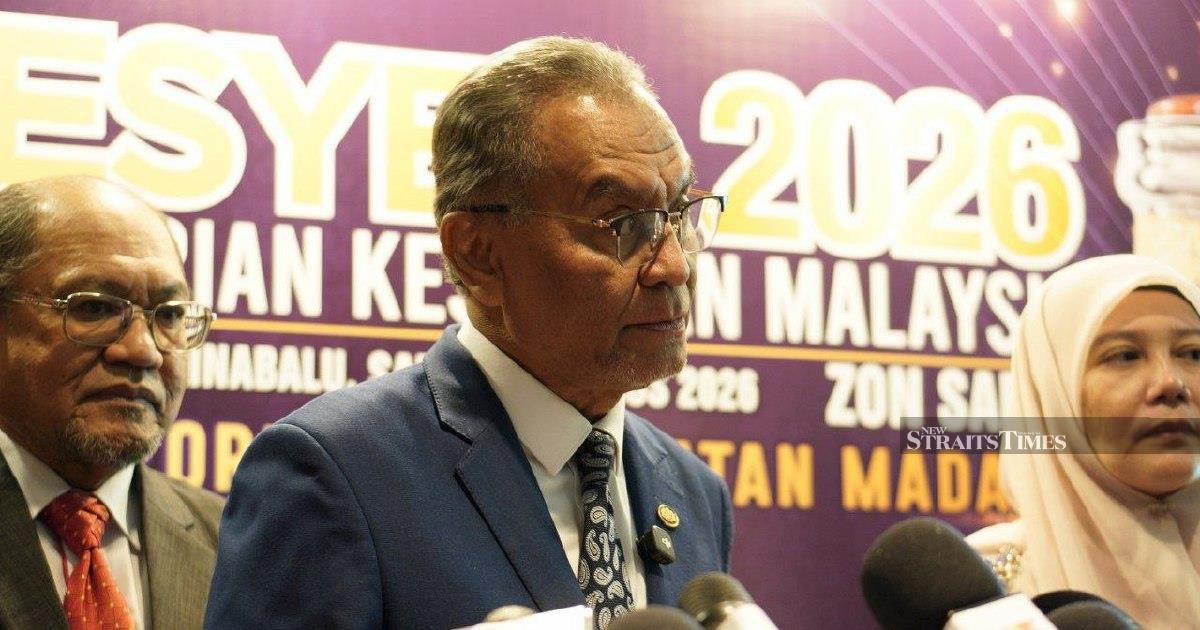
Malaysia's Health Ministry has initiated administrative measures targeting a senior hospital director in Sabah, following the conclusion of an internal inquiry into claims of sexual harassment at the facility. Health Minister Dzulkefly Ahmad made the announcement in Kota Kinabalu, signalling the ministry's willingness to act on workplace misconduct allegations within the healthcare system.
The transfer represents a significant development in how the country's healthcare authority addresses internal disciplinary matters, particularly those involving senior management personnel. Rather than allowing such allegations to fester within institutional structures, the ministry chose to separate the individual from their current posting, a step that underscores commitments made in recent years to combat workplace harassment across public sector institutions.
Details regarding the specific nature of the allegations remain limited in the public domain, though the decision to transfer rather than dismiss the individual suggests the investigation found sufficient grounds for concern warranting personnel changes. The administrative action taken falls within the established framework available to the ministry for addressing workplace conduct violations that do not necessarily constitute criminal offences but are deemed inappropriate for continued tenure in the same position.
This development carries broader significance for Sabah's healthcare sector, which has increasingly come under scrutiny regarding workplace culture and institutional oversight. Public healthcare facilities across the state have faced periodic questions about operational transparency and staff welfare protections. The Health Ministry's action indicates at least some level of institutional responsiveness to concerns raised by staff members or other parties.
The healthcare profession in Malaysia, particularly at the hospital management level, has witnessed growing recognition of workplace harassment issues in recent years. Medical practitioners and support staff operate within high-stress environments that can sometimes obscure or normalise inappropriate conduct. Senior directors wielding significant institutional authority have been positioned where power imbalances can amplify the impact of misconduct, making swift administrative response particularly important for maintaining workplace morale and institutional credibility.
For the Sabah health sector specifically, the transfer may open space for fresh leadership dynamics at the affected facility. New management often brings opportunities to reassess internal policies, strengthen harassment reporting mechanisms, and reinvigorate institutional culture. Whether the transferring hospital capitalises on this transition will largely depend on the incoming director's approach to workplace governance and staff engagement initiatives.
The case also touches on broader regional patterns in Southeast Asia regarding accountability in public healthcare. Across the region, hospital directors and senior administrators have historically enjoyed significant discretion in personnel matters with limited external oversight. Malaysia's action, while relatively modest, aligns with international trends emphasising transparent investigation processes and proportionate disciplinary responses to substantiated workplace misconduct allegations.
From a practical standpoint, internal investigations conducted by government agencies like the Health Ministry must balance multiple considerations: protecting potential victims from further harm, maintaining fairness toward the accused individual, preserving organisational functionality, and building public confidence in institutional accountability mechanisms. The decision to transfer rather than immediately terminate employment suggests investigators determined that the evidence supported action but perhaps fell short of the threshold required for more severe consequences.
The announcement by Dzulkefly Ahmad also carries political dimensions worth noting. The Health Minister's public acknowledgement of the action demonstrates willingness to address sensitive workplace issues transparently rather than handling them entirely behind closed doors. This contrasts with historical approaches in Malaysian public institutions where such matters often remained undisclosed, potentially allowing problematic individuals to move between positions without accountability.
Stakeholders within Sabah's healthcare system—including medical staff, nurses, administrative personnel, and patient advocacy groups—will be monitoring whether this action leads to demonstrable improvements in workplace culture at the affected institution. Follow-up measures might include enhanced training for management personnel, revised harassment reporting protocols, or expanded oversight mechanisms designed to prevent recurrence of similar issues.
The transfer also raises questions about where the director will be reassigned and whether the new posting carries reduced responsibilities or different institutional settings. Such placements can either represent meaningful career redirection or merely lateral movement that removes the individual from immediate scrutiny while maintaining their seniority and compensation benefits. Transparency regarding these subsequent arrangements would strengthen public perception of institutional accountability.
Moving forward, the Health Ministry may face increasing pressure to establish clearer, more systematic frameworks for addressing workplace harassment across its hospital network. Sabah's experience could catalyse broader policy development aimed at creating standardised investigation procedures, protected reporting channels, and consistent disciplinary protocols applicable across all federal healthcare facilities. Such institutional reforms would position Malaysia more favourably within regional conversations about public sector governance and workplace rights protection.

