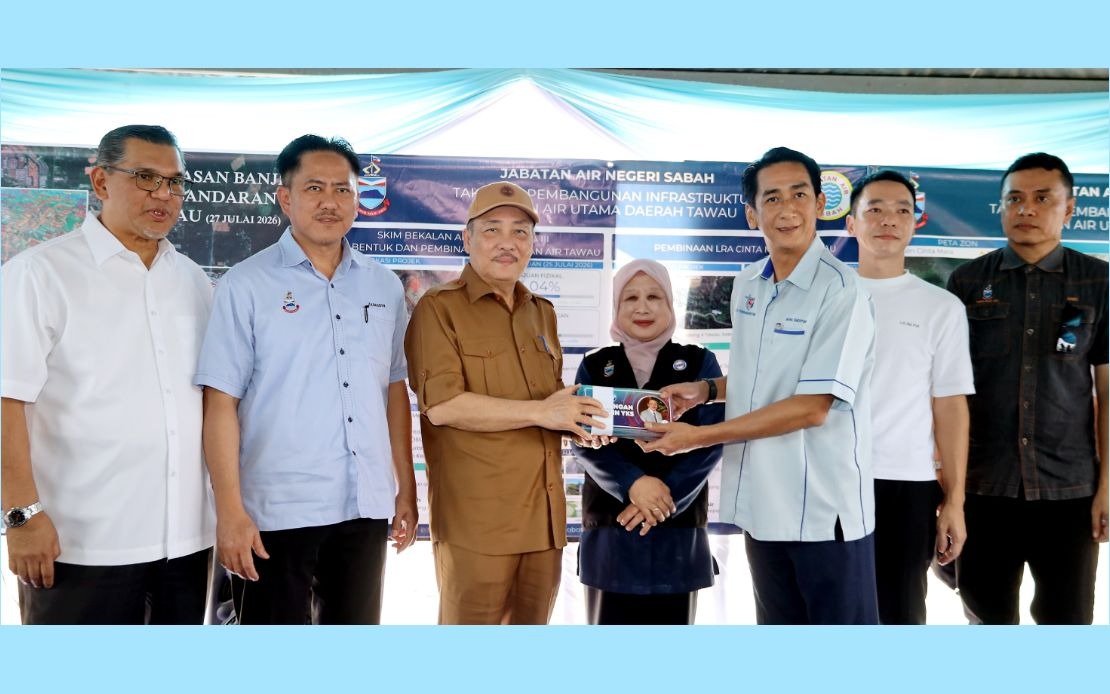
Sabah Chief Minister Datuk Seri Hajiji has overseen the distribution of emergency relief funds totalling RM30,600 from Yayasan Kebajikan Sabah to residents of Tawau whose homes were devastated by severe flooding. The assistance reached 102 household heads through the Tawau Municipal Council, with individual allocations of RM300 designed to provide immediate financial relief during the recovery phase following the natural disaster that struck the district.
The flooding event that occurred on July 25 triggered a significant humanitarian response across multiple government agencies and non-governmental organisations. Among the immediate consequences were the evacuation of 362 residents to the Dewan Serbaguna Kompleks Sukan Tawau relief centre, where they received temporary shelter and basic provisions during the acute phase of the crisis. The scale of displacement highlighted the vulnerability of low-lying residential areas in Tawau to seasonal weather patterns and inadequate drainage infrastructure in certain districts.
Chief Minister Hajiji's public acknowledgment of the donation served a dual purpose: delivering tangible assistance to affected families while simultaneously recognising the coordinated efforts of emergency responders who managed the crisis. His statement underscored the interconnected nature of disaster management, which relies on seamless coordination between civil defence personnel, police units, fire and rescue teams, and health ministry staff working concurrently to address urgent humanitarian needs.
The Civil Defence Force played a central role in the evacuation operations, deploying personnel and equipment to transport residents to safety as flood waters rose. The Royal Malaysia Police maintained public order and assisted with traffic management around affected areas, preventing secondary incidents during the chaotic evacuation process. The Fire and Rescue Department utilised boats and other aquatic rescue equipment to reach stranded residents in areas where water levels had rendered conventional access routes impassable.
The Health Ministry's involvement extended beyond emergency response to include disease surveillance and sanitation measures at relief centres, preventing waterborne illness outbreaks common in post-flood environments where contaminated water supplies pose serious public health risks. This multisectoral approach reflects best practices in disaster management that emphasise integrated responses addressing immediate safety, medical needs, and social welfare simultaneously rather than in isolation.
At the municipal level, the Tawau Municipal Council coordinated with the Tawau disaster management committee to consolidate information about affected households and ensure equitable distribution of aid funds. This administrative machinery, though often invisible to the public, determines whether relief reaches vulnerable families efficiently or becomes mired in bureaucratic inefficiency. The relatively rapid deployment of RM300 per household suggests functional coordination mechanisms within local governance structures, though larger questions about medium-term reconstruction financing remain unaddressed by the initial relief package.
The RM30,600 allocation represents a foundation's philanthropic response to an acute crisis, yet reflects broader patterns of disaster relief in Malaysia where initial assistance typically addresses immediate survival needs rather than comprehensive rebuilding. Individual households receive modest sums insufficient to replace major property losses but calculated to help families purchase essential supplies, medications, and food during the recovery period when income streams may be disrupted due to business closures or employment disruptions.
For Tawau specifically, the July 25 flooding represents one incident within a pattern of seasonal water-related disasters affecting the district. The district's geography, characterised by low-lying coastal and riverine areas, makes it particularly susceptible to flash flooding during monsoon seasons and periods of intensive rainfall. Long-term solutions involving improved stormwater management infrastructure and possible relocation of residents from extremely vulnerable zones require investment levels far exceeding foundation grants and demand coordinated policy intervention at state and federal levels.
The recognition extended to disaster response personnel by Chief Minister Hajiji acknowledges the personal risks undertaken by frontline workers who operate in hazardous conditions during active flooding events. The appreciation statement serves a morale-building function within these organisations while also demonstrating public leadership commitment to supporting emergency personnel who frequently work extended hours during natural disasters with minimal public recognition of their contributions.
Sabah's vulnerability to natural hazards including floods, typhoons, and landslides reflects its geographic position in a region prone to extreme weather phenomena. Disaster preparedness infrastructure in the state requires continuous investment and updating to remain effective against evolving climate patterns. The Yayasan Kebajikan Sabah donation, while welcome, underscores the reality that private charitable contributions, though important for immediate assistance, cannot substitute for comprehensive government disaster risk reduction planning and climate adaptation strategies.
The distribution mechanism through municipal authorities rather than direct government handout channels reflects administrative efficiency aimed at preventing fraud and ensuring funds reach legitimate beneficiaries. This institutional approach has proven effective in previous disaster responses across Malaysia, creating institutional memory about appropriate procedures and eligible recipient categories that streamline future relief operations during inevitable subsequent flooding events.

