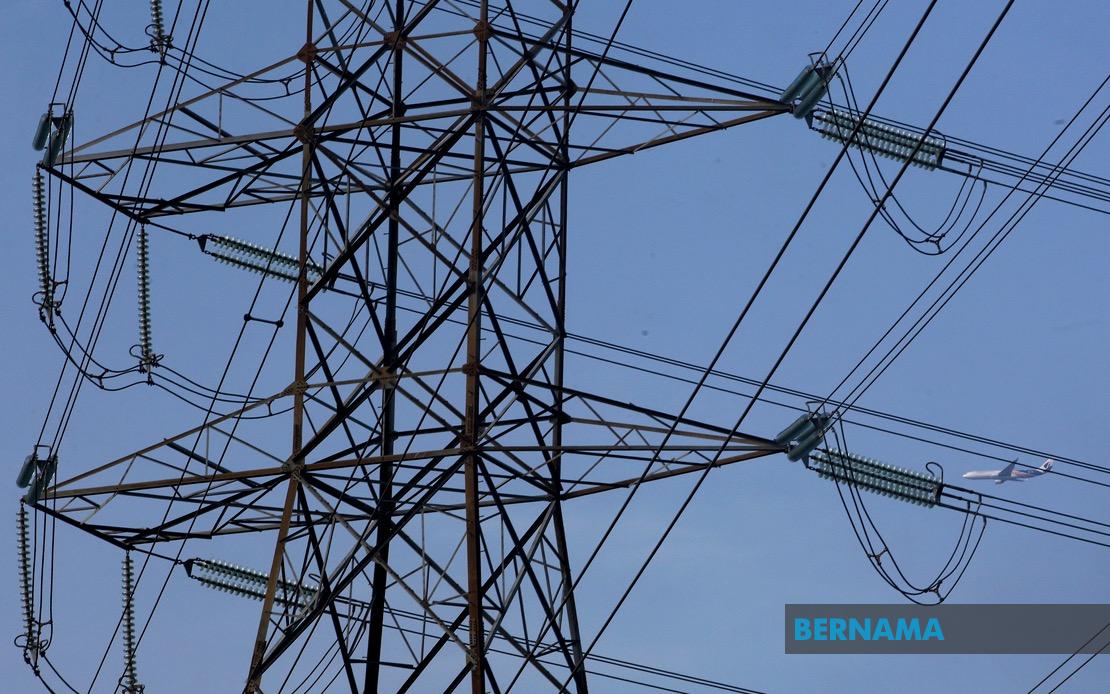
Sabah Electricity has announced plans to roll out scheduled power rationing across various parts of the state, a response to falling electrical generation stemming from disruptions in fuel supply to generating stations. The measure represents an interim strategy designed to maintain the stability of the Sabah Grid System while addressing capacity constraints that have compressed the grid's operational safety margin.
The gas supply interruptions to several thermal power facilities have created a cascade of challenges for the utility operator. When generating capacity drops significantly, the balance between electricity demand and supply narrows dangerously, leaving less buffer to absorb unexpected demand spikes or equipment failures. This situation compels grid managers to implement controlled cuts rather than risk unplanned, widespread blackouts that would cause greater disruption across the entire state.
Load management, the technical term for the rationing approach Sabah Electricity is taking, involves rotating power cuts across designated zones on a schedule. Rather than let the system collapse under demand pressure, operators deliberately shed loads in manageable sections, allowing stable supply to those areas temporarily offline and preventing the cascade failures that can plunge entire networks into darkness. This preserves infrastructure integrity and allows generation facilities to restore output without facing destabilising surges.
The utility has emphasised that this arrangement remains temporary in nature. Once gas deliveries resume normal volumes and power plants return to full operational status, generation capacity should rise sufficiently to meet ordinary demand without rationing. The company is coordinating with suppliers and other relevant agencies to accelerate the restoration of fuel flows, treating this as a priority.
Grid stabilisation efforts extend beyond simply waiting for generation to recover. Sabah Electricity indicated that operational optimisation is ongoing, a process that involves adjusting network parameters, managing demand-side resources, and possibly implementing energy conservation campaigns to reduce consumption during the critical period. Every megawatt of demand reduction eases pressure on the stretched system.
The scale and pattern of affected areas remain fluid, with Sabah Electricity committing to regular updates. Information dissemination will occur through the utility's official Facebook Careline, reflecting contemporary practice in customer communication. Residents and businesses in Sabah can also ring 15444 to obtain specific details about rationing schedules for their locations, enabling households and enterprises to plan around expected outages.
In Sabah's context, reliable electricity supply carries particular weight given the state's economic diversity. Manufacturing facilities, palm oil processing plants, mining operations, and aquaculture ventures all depend on uninterrupted power. Agricultural producers relying on irrigation pumps, hospitals requiring stable supply for medical equipment, and data centres supporting government and commercial services all face operational stress during rationing periods. Domestic consumers in a tropical climate also rely heavily on air conditioning and refrigeration, making extended outages uncomfortable and food-spoilage risks genuine concerns.
The incident highlights underlying vulnerabilities in Sabah's energy infrastructure. The state's power supply depends substantially on thermal generation fuelled by natural gas and oil, making energy security contingent on consistent fuel delivery. Unlike states with diversified generation portfolios incorporating hydroelectric capacity or renewable sources, Sabah's reliance on fossil fuel imports creates potential friction points. Supply chain disruptions, whether from technical malfunctions, shipping delays, or pricing disputes with suppliers, translate directly into grid stress.
Regionally, Sabah's power situation underscores broader Southeast Asian energy infrastructure challenges. Across the region, many states remain dependent on fuel imports and single or dual-source supply arrangements. The Philippines, Indonesia, and Thailand have all experienced similar rationing episodes. Diversifying generation, investing in renewable energy capacity, and building strategic fuel reserves represent longer-term resilience strategies that many regional governments are pursuing.
For consumers, the temporary rationing underscores the importance of emergency preparedness. Households should maintain flashlights, backup batteries, and alternative cooking arrangements. Businesses dependent on continuous power should consider backup generators or inverter systems. Food stored in freezers faces spoilage risk during multi-hour outages, prompting practical planning around meal preparation and shopping schedules.
Sabah Electricity's appeal for public cooperation and reliance on official information channels reflects appropriate crisis communication practice. Misinformation about rationing schedules, duration, or causes can fuel public anxiety and erratic behaviour. By directing people to verified official sources and the dedicated hotline, the utility aims to prevent rumour-driven confusion that could compound operational difficulties.
The utility company has extended an apology for inconvenience and expressed gratitude for customer forbearance. While pro forma language, this acknowledgment recognises that rationing imposes genuine hardship on households and businesses. The temporary nature of the measure, coupled with active restoration efforts, suggests that supply should normalise within days or weeks rather than months, assuming fuel supplies resume promptly.
Looking ahead, this episode will likely prompt discussions among Sabah stakeholders about energy security strategy. Policymakers may accelerate renewable energy projects, diversify fuel suppliers, or invest in generation capacity additions that reduce dependence on single fuel sources. For households and businesses, it reinforces the value of backup power solutions and energy conservation habits. The broader lesson extends across the region: energy infrastructure resilience requires continuous attention and investment.

