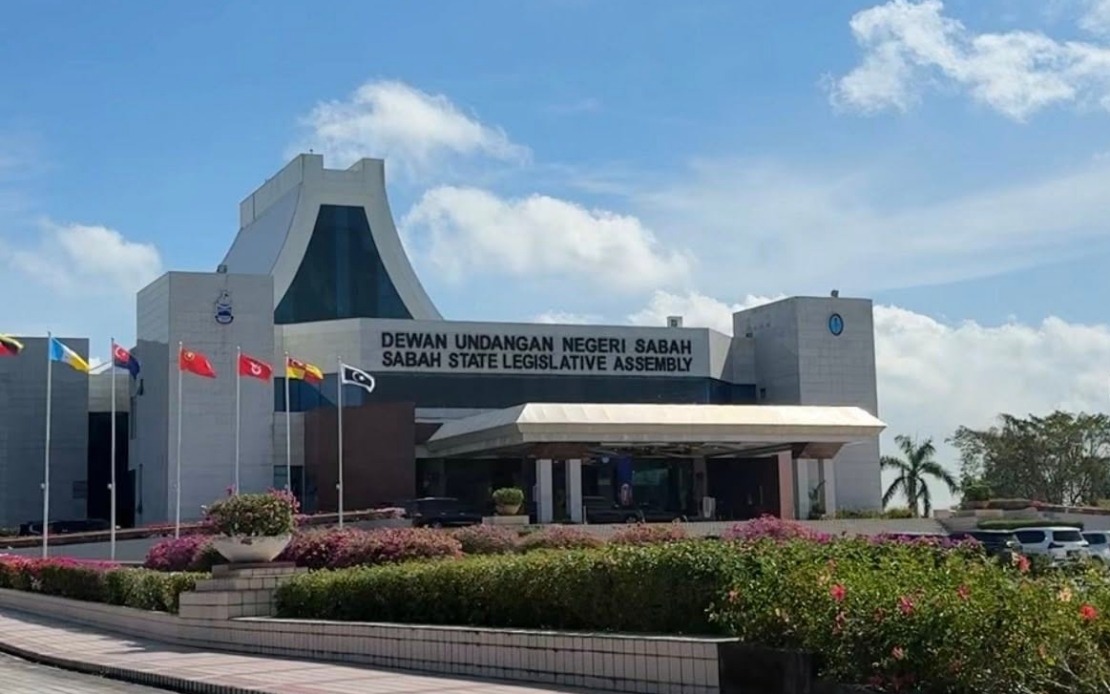
The Sabah State Legislative Assembly has given the green light to a RM1.61 billion Supplementary Supply Bill for 2026, authorising additional government spending across multiple priority areas. The measure cleared parliament on July 21 following deliberation from 42 assemblymen and received approval through a majority voice vote overseen by Deputy Speaker Datuk Al Hambra Tun Juhar.
Deputy Chief Minister II and State Finance Minister Datuk Seri Masidi Manjun introduced the bill the previous day, signalling the government's commitment to addressing fiscal needs beyond the original annual budget. The passage of supplementary supply legislation typically reflects either unforeseen expenditure demands or policy adjustments that emerge during the financial year, requiring additional parliamentary authorisation before funds can be drawn from state coffers.
The RM1.61 billion injection comprises six distinct spending categories, each targeting specific government functions and infrastructure priorities. The largest component, RM856 million, is earmarked for statutory fund contributions—obligations the state government must meet under existing legislation or contractual agreements. These might include pension liabilities, debt servicing, or mandated transfers to state-owned enterprises and statutory bodies that form the backbone of Sabah's public administration.
Operating expenditure claims the second-largest allocation at RM278 million, covering the day-to-day costs necessary to maintain government services and administrative machinery. This category encompasses salaries, utilities, maintenance of public facilities, and consumables required to keep schools, hospitals, government offices, and other institutions functioning effectively across the sprawling East Malaysian state. For a region as geographically dispersed as Sabah, such operational funding proves crucial to service delivery in both urban centres and remote constituencies.
Development expenditure receives RM210 million, funding capital projects aimed at expanding or upgrading infrastructure. This allocation likely supports construction of roads, public facilities, water systems, and other tangible assets designed to enhance long-term economic capacity and living standards. Development spending generates multiplier effects throughout the economy as construction contracts flow to local firms and create employment opportunities, making it particularly significant for a state working to strengthen its economic foundations.
Administrative expenditure accounts for RM162 million, supporting the bureaucratic apparatus that coordinates government programmes and manages public resources. This includes office operations, training programmes, technology systems, and other infrastructure that enable civil servants to function effectively. Adequate administrative funding ensures efficient service delivery and helps prevent bottlenecks that might impede the implementation of broader government initiatives across health, education, and social services.
State grants totalling RM93 million represent discretionary funds distributed to support specific groups, institutions, or programmes deemed worthy of government assistance. These grants might support non-governmental organisations, community development projects, educational institutions, or vulnerable populations requiring targeted assistance. Such allocations reflect the government's social priorities and commitment to addressing local needs beyond standard budget provisions.
Special allocations comprising RM13 million constitute a smaller reserve fund, typically available for extraordinary circumstances or opportunities requiring rapid government response. This flexibility allows authorities to address emergencies or capitalise on unforeseen opportunities without requiring full parliamentary reconsideration, though such expenditure remains subject to subsequent audit and accountability mechanisms.
The supplementary bill's passage underscores Sabah's ongoing fiscal management challenges and development ambitions. As Malaysia's largest state by area but with a relatively modest revenue base compared to peninsular counterparts, Sabah frequently requires additional budgetary adjustments to maintain service standards and pursue infrastructure development. The state faces persistent pressures including upgrading rural facilities, maintaining sprawling road networks, and investing in economic diversification beyond traditional sectors like palm oil and timber.
For Malaysian readers beyond Sabah, this budget movement carries broader implications. The state's fiscal needs reflect structural challenges facing resource-rich but less densely populated regions across Southeast Asia—balancing development aspirations with limited domestic revenue generation. Sabah's supplementary budgeting patterns offer insights into how East Malaysian states manage competing demands for social service provision, infrastructure investment, and fiscal sustainability.
The timing of the supplementary supply bill also reflects broader Malaysian budget cycles and parliamentary schedules. With the assembly resuming its sitting the following day, parliament maintains steady legislative momentum on financial matters, ensuring that budget adjustments receive timely consideration rather than creating administrative delays. This regular parliamentary engagement on fiscal matters exemplifies Westminster-style parliamentary discipline adapted to Malaysian conditions.
Looking forward, the RM1.61 billion injection signals the Sabah government's determination to maintain public investment momentum despite fiscal constraints. Success in absorbing these funds efficiently and transparently will influence investor confidence in the state's administrative capacity and fiscal management. Malaysian stakeholders monitoring state-level governance will likely track whether these supplementary allocations translate into tangible infrastructure improvements and service enhancements for Sabah residents.

