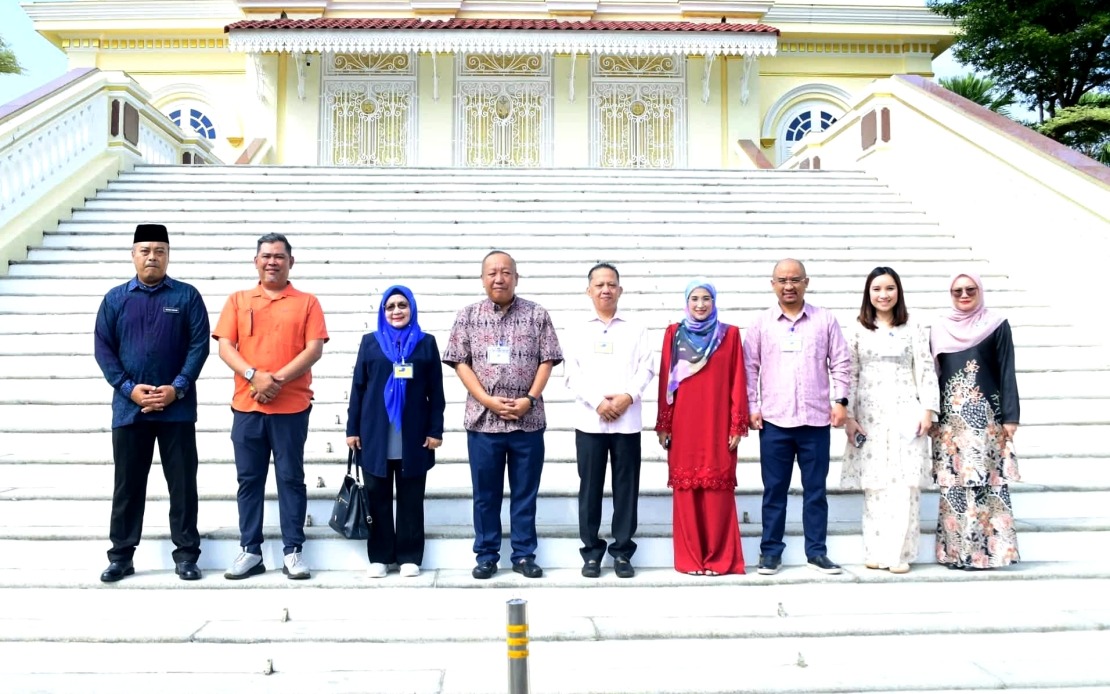
Two of Malaysia's major tourism states are moving to intensify their partnership, recognizing the mutual benefits that come from coordinated regional promotion and knowledge exchange. Sabah's Ministry of Tourism, Culture and Environment has initiated a strategic alliance with Tourism Johor to enhance the country's standing as a premium travel destination, with implications that extend well beyond these two states and into the broader Southeast Asian tourism landscape.
Sabah Minister of Tourism, Culture and Environment Datuk Jafry Ariffin outlined the rationale behind this initiative, noting that the collaboration serves both immediate and longer-term objectives. While boosting domestic tourism consumption remains a priority—a strategy particularly relevant as Malaysian families explore options for staycations and regional getaways—the partnership is deliberately positioned as preparatory groundwork for Visit Sabah Year 2027. This flagship campaign represents a significant commitment to repositioning Sabah as a world-class destination, and securing cooperation from a state as established in tourism as Johor strengthens the prospects for success.
The working relationship that has emerged encompasses multiple dimensions beyond simple promotional coordination. Cross-promotional activities will allow both states to tap into each other's tourism markets and visitor profiles, potentially introducing Johor tourists to Sabah's unique natural attractions and cultural experiences, while Sabah's heritage and adventure offerings complement Johor's own portfolio. Meanwhile, new product development discussions signal an intention to create innovative tourism experiences that leverage the comparative advantages of each region, potentially including joint packages or integrated itineraries that encourage visitors to explore both destinations.
Central to the partnership is a genuine commitment to elevating destination marketing strategies through collaborative design rather than isolated regional efforts. This represents a maturation of approach within Malaysian tourism administration, where interlocking regional strengths are recognized as more effective than competitive positioning. The recognition that shared best practices drive better outcomes across all stakeholders—from hospitality operators to government tourism bodies—has become increasingly evident in successful global tourism clusters.
The Sabah delegation's visit to Johor included a substantive educational component centered on heritage preservation and museum management. The official tour of Muzium Diraja Abu Bakar at Istana Besar Johor was not merely ceremonial; it provided practical insights into how a sophisticated cultural institution maintains historical assets while operating as a tourist attraction. This direct observation of institutional best practices in heritage conservation carries particular weight for Sabah, where the cultural sector represents a strategic pillar for international visitor engagement.
Sabah's emphasis on cultural heritage as an economic driver reflects broader trends in regional tourism, where experiential and educational travel is increasingly valued by affluent tourists. Museums and heritage sites that successfully balance preservation with accessibility generate substantial economic benefits beyond direct admission revenues, including spending on hospitality, dining, and ancillary services. By studying Johor's institutional approaches, Sabah's cultural administrators can avoid costly mistakes and accelerate the professionalization of their own heritage sector.
The timing of this initiative carries strategic significance within Malaysia's broader tourism recovery and growth trajectory. As international arrivals rebound and new markets emerge—particularly from China, India, and other major Asian economies—the importance of coordinated messaging and seamless visitor experiences across states increases substantially. A visitor who travels from Kuala Lumpur to Johor and then extends the journey to Sabah creates multiple economic multiplier effects and higher lifetime value for the Malaysian tourism industry compared to visitors who restrict travel to single regions.
For Sabah specifically, this partnership addresses a persistent challenge: building awareness among both domestic and international markets despite geographical distance from peninsular Malaysia's major population centers. Johor, as Malaysia's second-largest state by population and a frequent entry point for visitors, occupies an ideal position to influence travel decisions and direct tourists toward eastern Malaysia. Conversely, Sabah's unspoiled natural environments and distinct cultural offerings provide Johor with valuable complementary products to present to its own visitor base.
The emphasis on sharing expertise in heritage conservation and historical asset preservation also carries implications for capacity building within Sabah's tourism administration. Direct engagement with Johor's curatorial and conservation specialists creates opportunities for training, technical knowledge transfer, and professional networking that strengthen institutional capabilities across borders. This human capital dimension often proves as valuable as the strategic frameworks themselves.
Minister Jafry's expression of confidence in the partnership reflects recognition that coordinated state-level action in tourism development can drive measurable improvements in visitor arrivals and economic outcomes. The explicit mention of contributing to national economic growth underscores how regional tourism partnerships ultimately strengthen Malaysia's position in highly competitive global tourism markets where regional packaging and integrated experiences increasingly determine competitiveness.
Moving forward, the success of this initiative will depend on consistent implementation of the identified cooperation areas and sustained commitment from tourism operators and government bodies in both states. Measurement through visitor tracking, spending data, and satisfaction metrics will be essential to demonstrating whether the partnership delivers anticipated benefits. For Malaysian policymakers monitoring regional economic development, this Sabah-Johor model provides a template for how cross-state collaboration can overcome the fragmentation that sometimes characterizes Malaysia's federalist tourism system, ultimately strengthening the entire country's tourism brand in increasingly discerning and competitive international markets.

